

Office location not published
Service area: “Locally owned in Austin”
Published service area ↗Compare curated mold inspectors, check certifications, read reviews, and request quotes — all in one place.
Map shows providers with a known office location. All providers are listed below.
No providers match this filter.
Providers with an office in the Austin area, matched by the ZIP code of their published address.
Based outside the Austin area, with Austin named in the service area on their own website.
Office location not published
Service area: “Locally owned in Austin”
Published service area ↗Office location not published
Service area: “Austin, Texas”
Published service area ↗Also in Texas: Killeen / Temple / Ft Hood area (1), Texoma area (1), Tyler / East TX area (1)
Need help choosing? Get matched with top providers in seconds.
0 providers selected
Are you a mold inspector in Austin? Already listed here: AusTex Environmental Solutions, Austin Mold Testing, Champion Environmental Consulting, Inc. and 8 more.
List your businessView curated providers, check certifications, and read real client reviews.
Select up to 5 providers and send your project details. Free, no obligation.
Compare quotes, check availability, and book directly with the provider.
Hiring a mold inspector in Austin should be straightforward. It’s not. You’re either dealing with a water intrusion emergency (burst pipe, roof leak, flooding), or you’ve noticed respiratory symptoms in your family and want answers — and suddenly you’re sifting through Google results that look credible until you realize half the listings are remediation companies with an obvious financial incentive to find mold. The directory below cuts through that noise and connects you directly with credentialed inspectors who actually know what they’re doing.
Verify credentials first. Look for CMI (Certified Mold Inspector) or ACAC certifications (CMC, CMRS, CIEC). These require exam passage and continuing education. Don’t confuse “mold inspector” with “general home inspector who also does mold” — they’re different skill sets. Most qualified professionals in Austin hold at least one of these certifications.
Confirm they do sampling, not just visual assessment. A thorough inspection includes air quality testing and/or surface sampling sent to a third-party lab — not in-house analysis. This removes the conflict of interest and gives you legally defensible results if remediation becomes necessary.
Ask about their moisture-mapping process. Mold follows moisture. Inspectors should use thermal imaging and moisture meters to identify hidden wet spots behind walls or under floors. This separates competent work from checklist-box inspections.
Check if they’re independent. The best inspectors don’t do remediation work. If they find mold and then want to fix it themselves, you’ve got a built-in financial incentive problem. Some inspectors also handle HVAC testing or indoor air quality assessments — that’s fine, as long as remediation stays separate.
Get three quotes and ask specifics. Most inspections in Austin run $200–$800 depending on square footage and testing scope. If someone’s quoting $150 or $1,200, ask why. Request the lab they use, turnaround time for results (usually 3–5 business days), and whether the report includes remediation recommendations or just findings.
Pro Tip: If you’re buying a home, ask your real estate agent if the inspector they recommend offers mold assessment. Many Texas home inspectors add it on for $100–$200 extra, which is cheaper than a standalone visit and often satisfactory for purchase contingencies.
A standard mold inspection takes 2–4 hours depending on home size. The inspector walks the property (attic, crawlspace, basement if applicable), takes photos, runs moisture readings, and collects air or swab samples from suspect areas. You’ll typically get a written report within a week that identifies any mold species found, affected areas, moisture sources, and next steps — either “no action needed” or a remediation protocol with contractor recommendations.
Pricing reflects scope: a 2,000-sq-ft single-story home with no obvious water damage typically costs $300–$450. A larger home, recent water intrusion, or multiple-building properties can run $600–$800.
Reality Check: Remediation companies often quote mold removal at $2,000–$10,000+. A proper inspection ($300–$600) tells you if you actually need that work and what scope is justified. It’s the cheapest insurance policy you can buy.
Austin’s humid subtropical climate and rapid growth mean water intrusion happens — burst pipes in new construction, aging roof flashing, foundation cracks from soil settling. The Texas real estate market also moves fast, and lenders increasingly require mold clearance before closing. A credentialed inspector with quick turnaround time is worth the premium in a competitive market.
Mold Inspector services in Austin typically run $200-800 per inspection, depending on scope, complexity, and turnaround requirements. Expedited work and specialized equipment add cost.
Look for CMI — it's the credential that separates qualified mold inspectors from the rest. Also verify insurance, check reviews, and confirm they can handle your project's specific requirements.
There are currently 11 mold inspectors listed in Austin, TX on MoldRegistry.
Sponsored providers pay for more prominent placement on pages where they already qualify to appear. Payment does not change a provider's location, credentials or reviews, and it is not an endorsement. All providers on MoldRegistry — sponsored or not — are real businesses.
Find certified, independent mold inspectors: what to expect, how much to pay ($300–$700), and red flags to avoid before hiring.
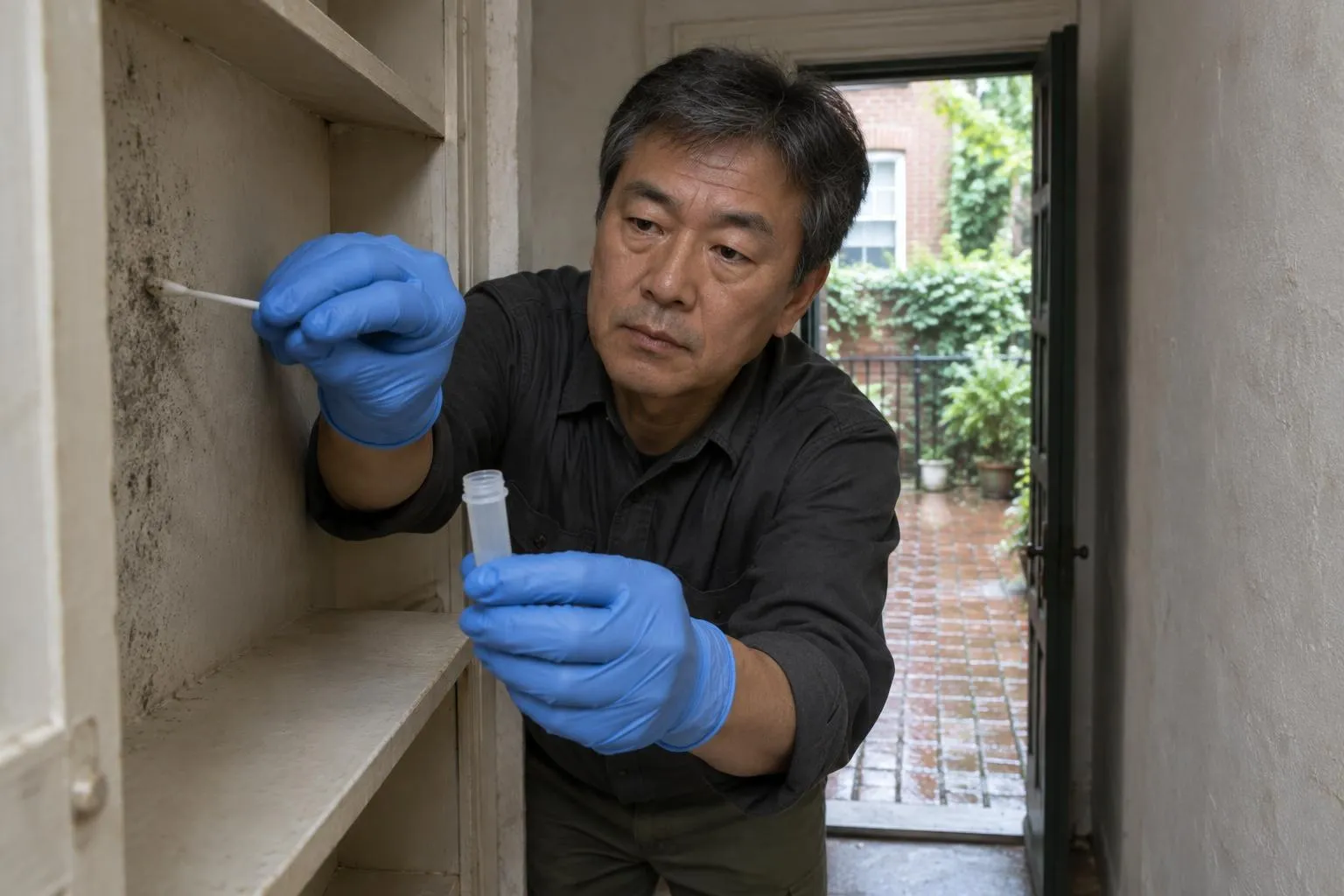
Mold inspector costs range from $150–$3,000+ depending on your state and home size. See what you'll actually pay by location.
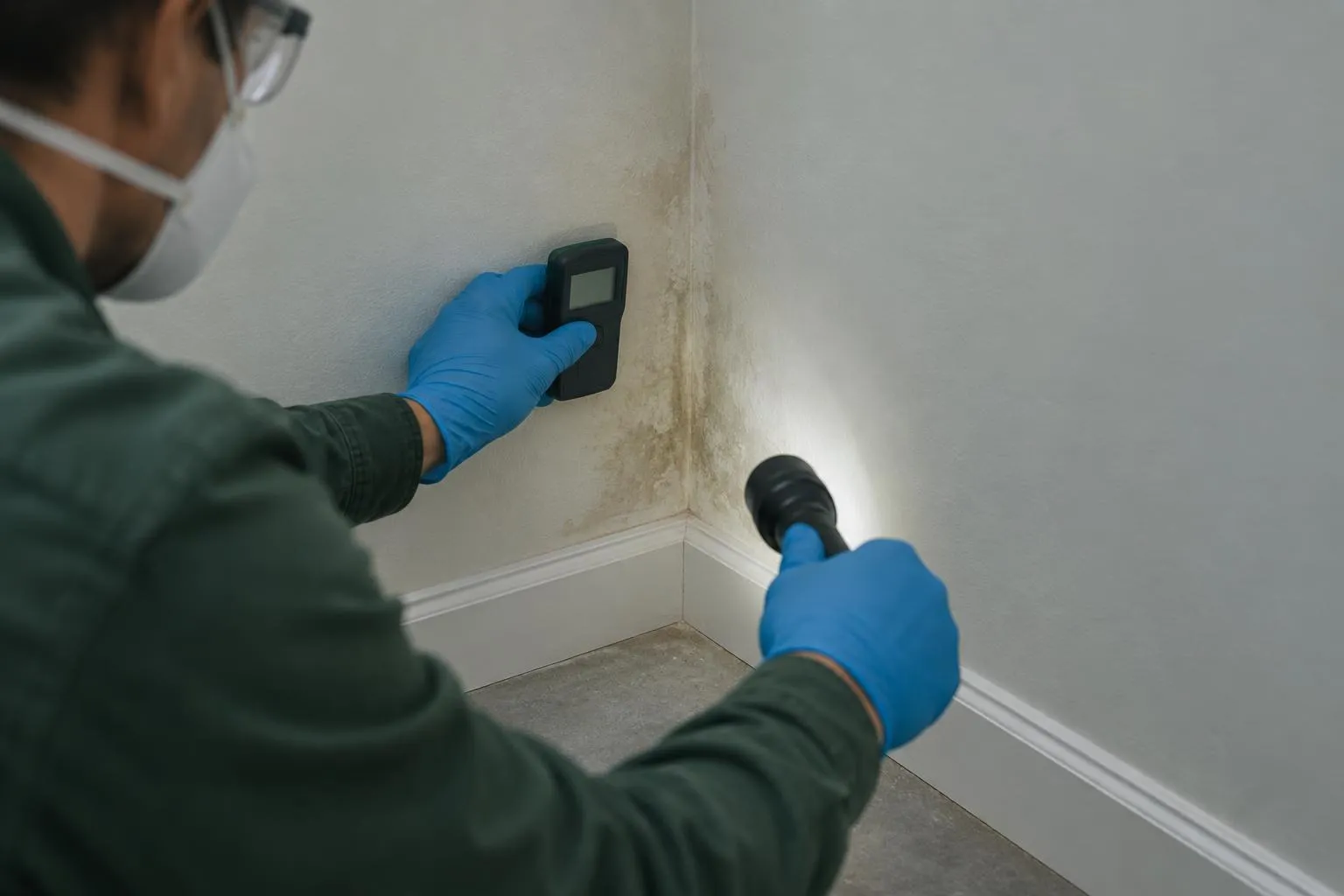
Avoid the $180k mistake: 7 red flags when hiring a mold inspector and how to spot conflicts of interest that inflate costs.
Looking for more? Browse our full resource library or find mold inspectors in other cities.