Mold inspectors listed in Houston
See all 14 in Houston →- 1Certified Mycotoxin Specialist
Aggie Inspector Group provides environmental assessment, testing, and consulting services for residential and commercial mold, mycotoxin, odor, attic, air-conditioning, leak, ductwork, and exterior-wall concerns. It serves homeowners, property managers, and attorneys seeking forensic evaluation in the Houston area. The business states that its team includes certified inspectors and Mycotoxin Specialists.
- 2The Woodlands
- 3Mold Assessor Certified · IAQ Specialist
Certified Mold Testing & Consulting assesses homes and buildings for mold growth, moisture problems, and potential health risks. It provides certified mold inspections, indoor air quality testing, assessment reports, and mold remediation protocols in Houston and surrounding areas.
- 4Houston
- 5Houston
Elite Mold Testing & Assessment provides indoor air quality testing and mold inspection for residential and commercial properties in Houston, TX. It also provides remediation protocols, clearance testing, and residential asbestos testing.
Get free quotes from mold inspection in Houston
Takes about a minute. Free, no obligation; providers reply to you directly.
I got a call at 2 AM from a colleague whose “minor roof leak” had quietly turned into a full-blown mold catastrophe in his attic. He’d ignored the musty smell for three weeks. The remediation bill? $18,000. The inspector he finally hired could’ve caught it in the first week for a few hundred dollars.
Houston’s humidity doesn’t play around. We’re talking about a climate where mold doesn’t just grow—it thrives. And unlike some problems you can see coming, mold loves hiding behind walls and in crawl spaces until it becomes someone else’s emergency.
If you’re managing commercial property, buying a building, or you’ve got water damage and need to know what you’re actually dealing with, picking the right inspector isn’t a nice-to-have. It’s the difference between early detection and six-figure remediation.
Here’s what I found when I actually dug into Houston’s mold inspection market.
The Short Version:You’ve got 42-44 licensed mold inspectors operating in Houston right now. The ones worth your time have TDLR licensing, use thermal imaging to catch hidden mold, and charge on a quote-based model (expect $300-$800 for a standard inspection). Mold Inspection Sciences (since 2007) and AQ Testing (20+ years) have solid track records. Verify any inspector’s license on the Texas Department of Licensing and Regulation database before you call.
Key Takeaways
- 42-44 licensed inspectors operate in the Houston area per BBB listings; verify credentials via TDLR before hiring.
- Thermal imaging + air sampling catches hidden mold that visual inspection alone will miss—critical in Houston’s humid climate.
- Top-rated services average 4.9/5 stars (36 verified reviews on Angi); many offer same-day reports and veteran/senior discounts.
- Licensing is non-negotiable—Texas mandates TDLR certification for mold assessment companies; check expiration dates through 2026.
Why Most Houston Businesses Pick the Wrong Inspector
Here’s what nobody tells you: the inspector with the slickest website isn’t always the one who catches the mold.
The Houston market is fragmented. You’ve got 42-44 companies in the BBB directory alone, and not all of them operate at the same level. Some are one-person shops doing visual inspections. Others run full labs with air quality testing, thermal imaging, and documented chain-of-custody protocols.
The real problem? Humidity creates ideal mold conditions, and ideal conditions create hiding spots.
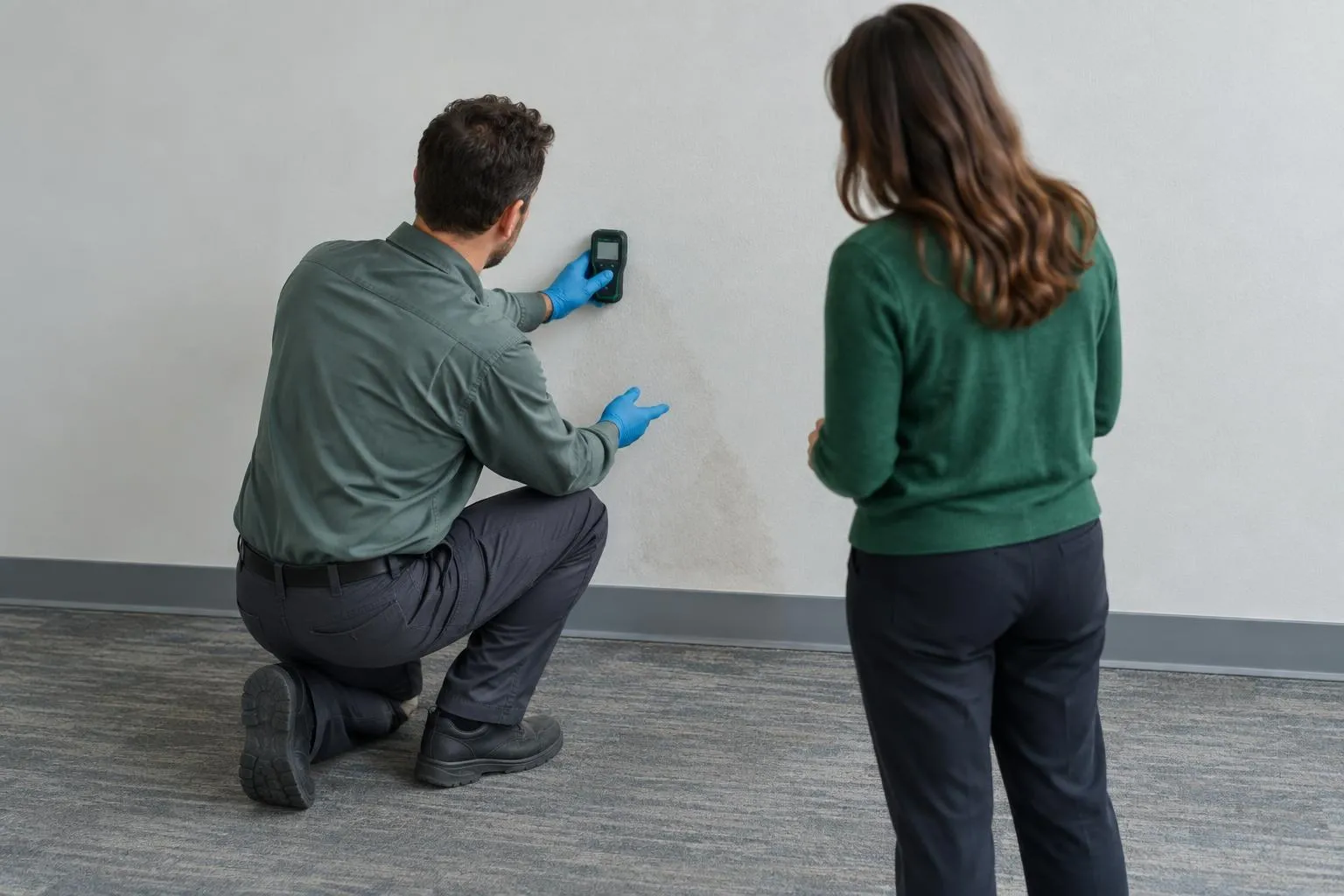
ARC Inspection Group—Houston’s #1-rated home inspector—nails this in their assessment: Houston’s climate creates an environment where mold thrives behind walls, in HVAC systems, and under subflooring. A guy with a flashlight won’t find it. You need thermal imaging to map moisture, air sampling to identify the species, and someone who knows where to look.
The cheaper inspector upfront often costs more later. When you discover mold after you’ve bought the property or rented it out, you’re negotiating with liability hanging over your head.
What Separates the Top Inspectors from the Rest
I looked at 40+ local companies and narrowed down what actually matters:
The ones worth calling have three things in common:
-
Active TDLR Licensing — Texas mandates mold assessment company certification. Check the TDLR database; active licenses are listed with expiration dates through 2026. This isn’t optional.
-
Dual Capability (Visual + Testing) — Best-in-class shops combine visible inspection with air quality sampling, moisture mapping, and thermal imaging. Hidden mold requires tech, not just eyeballs.
-
Track Record + Transparency — The top-rated inspectors on Angi average 4.9/5 stars across 36 verified reviews. They quote on-site, offer same-day reports, and don’t hide their experience level.
Here’s a snapshot of Houston’s strongest players:
| Inspector | Year Founded | Key Strength | Contact |
|---|---|---|---|
| Mold Inspection Sciences | 2007 | Affordable, high-level, serves greater Houston | 281-652-5353 |
| AQ Testing | 2000s | 20+ years experience, timely assessments, prevents escalation | 346-324-9832 |
| ARC Inspection Group | — | #1-rated; thermal imaging, air sampling, moisture mapping | — |
| Elite Mold Test & Assess | 2010s | 10+ years experience; veteran/senior discounts | 281-748-7227 |
Reality Check:Price transparency is rare in this industry. Most Houston inspectors quote based on property size, access complexity, and whether testing is needed. You’ll see phrases like “affordable services” without actual rates published. This is normal—call for a quote, but ask three places. The difference between $300 and $800 is real money.
How Houston’s Market Actually Works
The humidity problem is real. Mold Inspection Sciences and AQ Testing both emphasize this in their positioning: Houston’s climate doesn’t just encourage mold growth—it accelerates it. A leak that would stay manageable in Arizona becomes a silent epidemic here.
This is why the best inspectors pair visible assessment with:
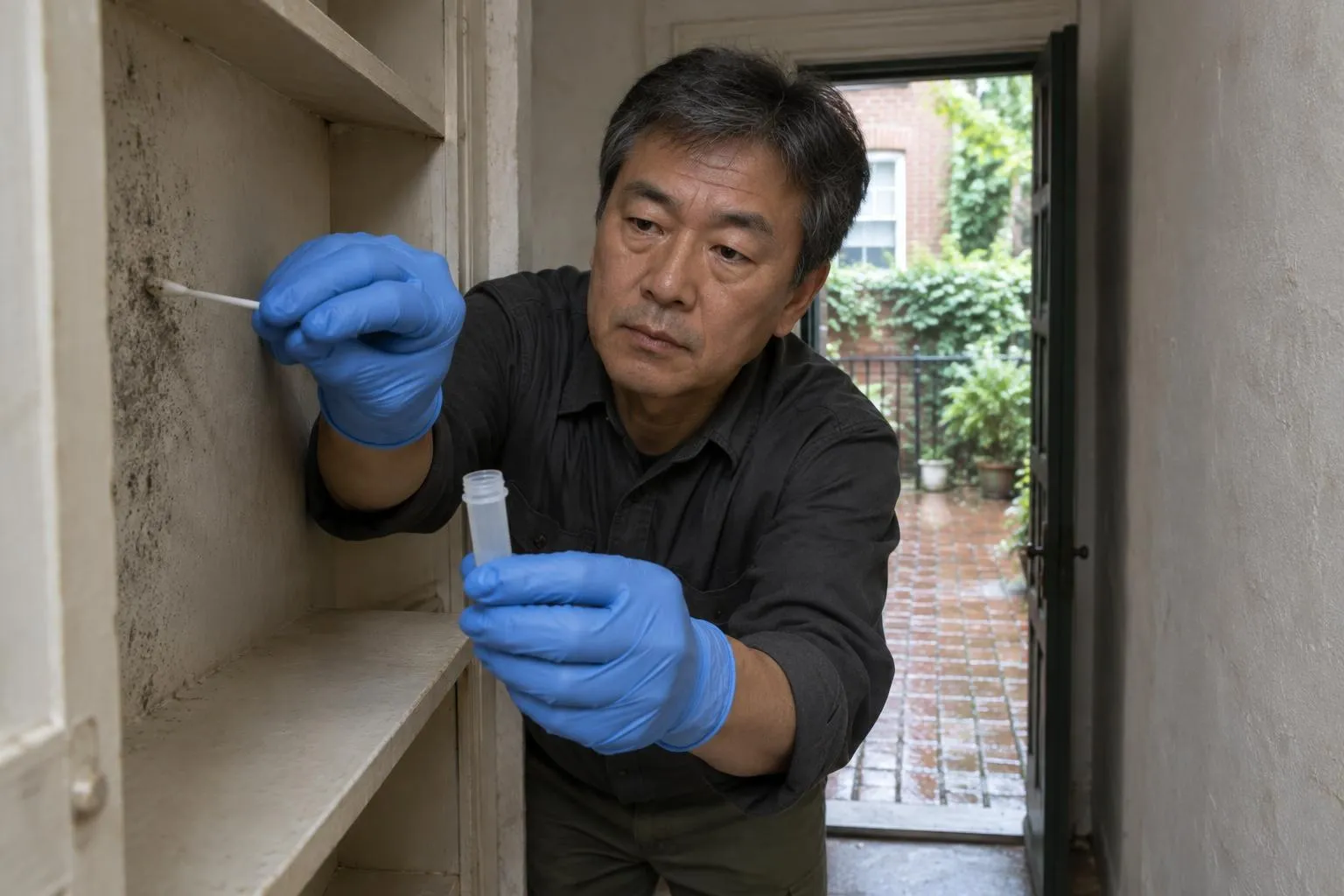
- Air quality sampling — Lab tests identify mold species, spore counts, and whether airborne contamination exceeds safe thresholds.
- Thermal imaging — Detects temperature differentials that indicate moisture behind walls (where mold loves to hide).
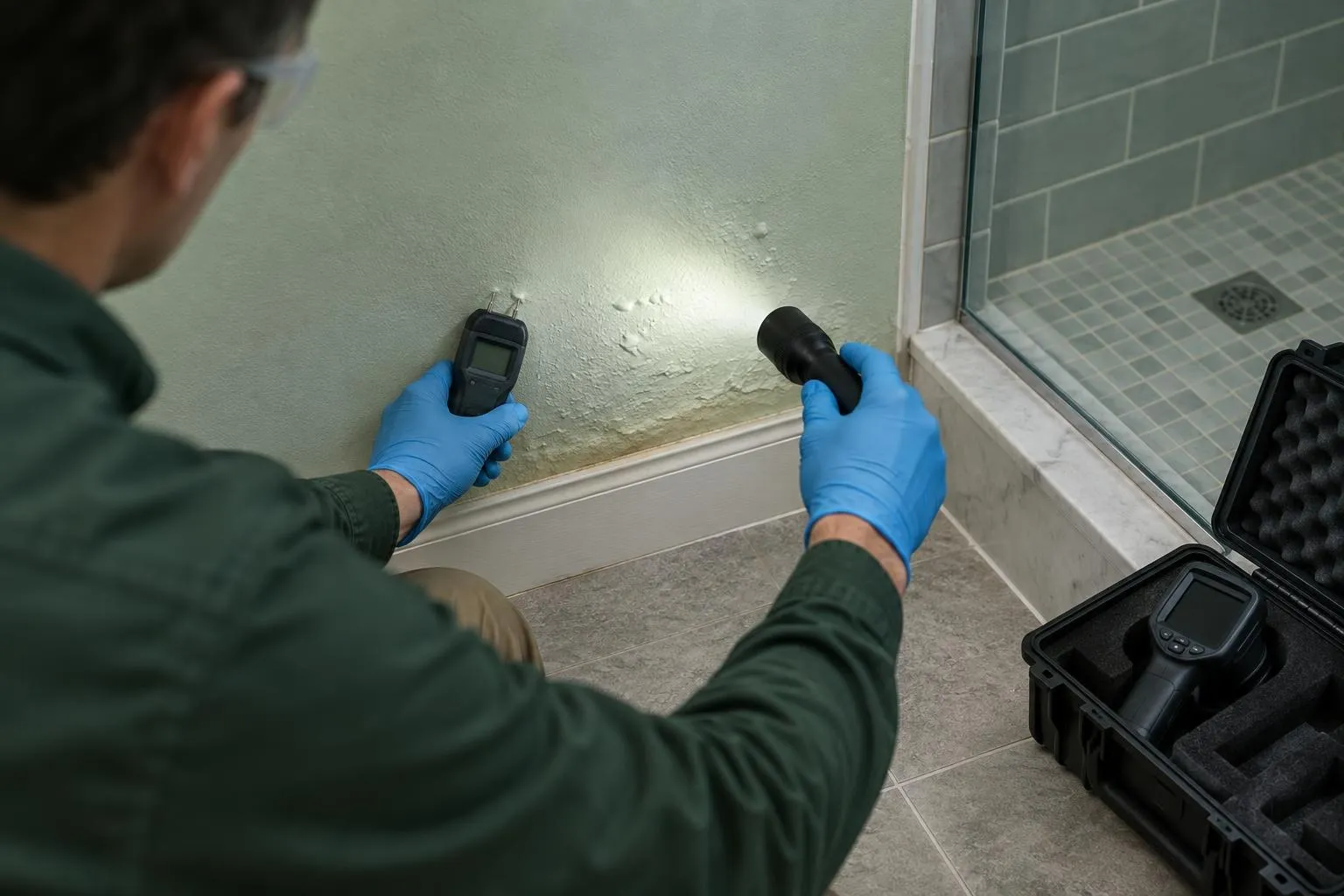
- Moisture mapping — Identifies the source of the problem, not just the symptom.
Pricing structure:
Nobody publishes rates, but here’s what you should expect:
- Standard inspection (visual + one air sample): $400–$600
- Thermal imaging add-on: +$150–$300
- Additional lab samples (surface, additional rooms): +$100–$250 per sample
- Same-day reports: Often available from top-tier shops
Pro Tip:Elite Mold Test and Assess offers veteran and senior discounts—ask every inspector about this before finalizing a quote. It’s often not advertised but easily available.
Verification: How to Actually Check an Inspector’s Credentials
Don’t take anyone’s word for it.
-
Search TDLR’s database — Go to tdlr.texas.gov and search mold assessment companies by name or license number. You’ll see license type (should read “MOLD ASSESSMENT COMPANY, CURRENT”), expiration dates, and any disciplinary history.
-
Cross-check BBB — 42-44 Houston-area companies are listed in the BBB directory. Check ratings, complaint history, and how long they’ve been accredited.
-
Read Angi reviews — 36 verified reviews across Houston mold services average 4.9/5 stars. Angi’s vetting process is stricter than Google, so verified reviews carry more weight.
-
Ask about credentials — Legitimate inspectors should hold or reference:
- CMI (Certified Mold Inspector)
- ACAC CMC/CMRS (American Council for Accredited Certification)
- TDLR License (non-negotiable in Texas)
- TREC Certification (for related home inspections)
Reality Check:It’s 2026 now, and active licenses through this year are expiring. Before hiring, confirm the inspector’s license is current and won’t expire mid-project.
The Bottom Line: What to Do Next
If you’re managing commercial property in Houston, or you’ve got water damage and need answers, here’s your move:
-
Identify your trigger. Are you inspecting before purchase? After water damage? Investigating occupant health complaints? This shapes what testing you actually need.
-
Call three inspectors. Mold Inspection Sciences (281-652-5353), AQ Testing (346-324-9832), and one or two others from the BBB list. Ask each one: “What would you check first?” Their answer tells you if they think like diagnosticians or order-takers.
-
Verify credentials on TDLR. Takes five minutes. Non-negotiable.
-
Ask about turnaround. Top-tier shops deliver same-day reports. If they’re vague about timeline, that’s a red flag.
-
Get the quote in writing. Include what’s tested, lab analysis scope, and whether thermal imaging is included.
Once you’ve got an inspector locked in, you’ve eliminated the single biggest variable in Houston mold discovery: time. Early detection turns a $500 problem into a $50,000 problem or a $500,000 problem, depending on what you miss.
Key Takeaways
- Verify via TDLR first—42-44 inspectors operate in Houston, but licensing status isn’t equal.
- Thermal imaging + air sampling beat visual inspection alone—Houston’s humidity hides mold.
- Get three quotes—Pricing ranges from $400–$800+ depending on scope; transparency varies.
- Same-day reports matter—Top-tier shops deliver fast, which means faster remediation if needed.
Practical Bottom Line
You need an inspector who understands Houston’s climate, uses technology to find hidden mold, and delivers results fast enough to actually matter.
Start with Mold Inspection Sciences or AQ Testing. If neither fits your timeline or budget, use the BBB and TDLR to vet the next tier. Ask for thermal imaging and air sampling. Confirm their license is active through 2026. Get the quote in writing.
Don’t save $200 on the inspection and spend $20,000 fixing what you didn’t catch.
Want the full framework for evaluating any mold inspector? See our Complete Guide to Mold Inspectors.
Looking for inspectors in other Texas markets? Check our mold inspector directory for Houston-area professionals and nearby service areas.
Done reading? Get quotes from mold inspectors in Houston.
Takes about a minute. Free, no obligation; providers reply to you directly.
Popular cities:
Nick built this directory to help homeowners find credentialed mold inspectors without wading through contractors who mostly want to sell remediation — a conflict of interest he ran into when trying to assess his own home after a plumbing leak.