Get free quotes from mold inspection near you
Takes about a minute. Free, no obligation; providers reply to you directly.
I hired a mold inspector after a roof leak, got back a 40-page report with photos, moisture readings, and lab results—and realized I had no idea how to tell if the work was actually thorough. I spent three hours comparing line items to industry standards before I figured out what to demand, what to accept, and when to ask for a do-over. Turns out, most homeowners never do that.
The Short Version:A credible mold inspection report must include visual documentation, quantitative moisture/humidity readings, at least 1 surface sample per concern area with lab results, and clear limitations on what wasn’t inspected. If your inspector’s report is missing any of these, ask for clarification or request a re-inspection.
Key Takeaways
- Core deliverables matter: A complete report includes non-invasive visuals, moisture measurements, lab-analyzed samples, and documented limitations—not just photos and a hununch.
- Quantitative data isn’t optional: Humidity and moisture meter readings should appear room-by-room; vague language like “damp” or “musty” isn’t actionable.
- Sampling follows rules: Per IAC2 standards, inspectors must take at least 1 surface sample per area of concern (visible mold, water damage, musty odors, conducive conditions). More is better; less is a red flag.
- The report is only valid for the date performed: Mold inspections are a snapshot. They can’t predict future growth, so pressure on timing matters less than rigor in the moment.
What You’re Actually Paying For
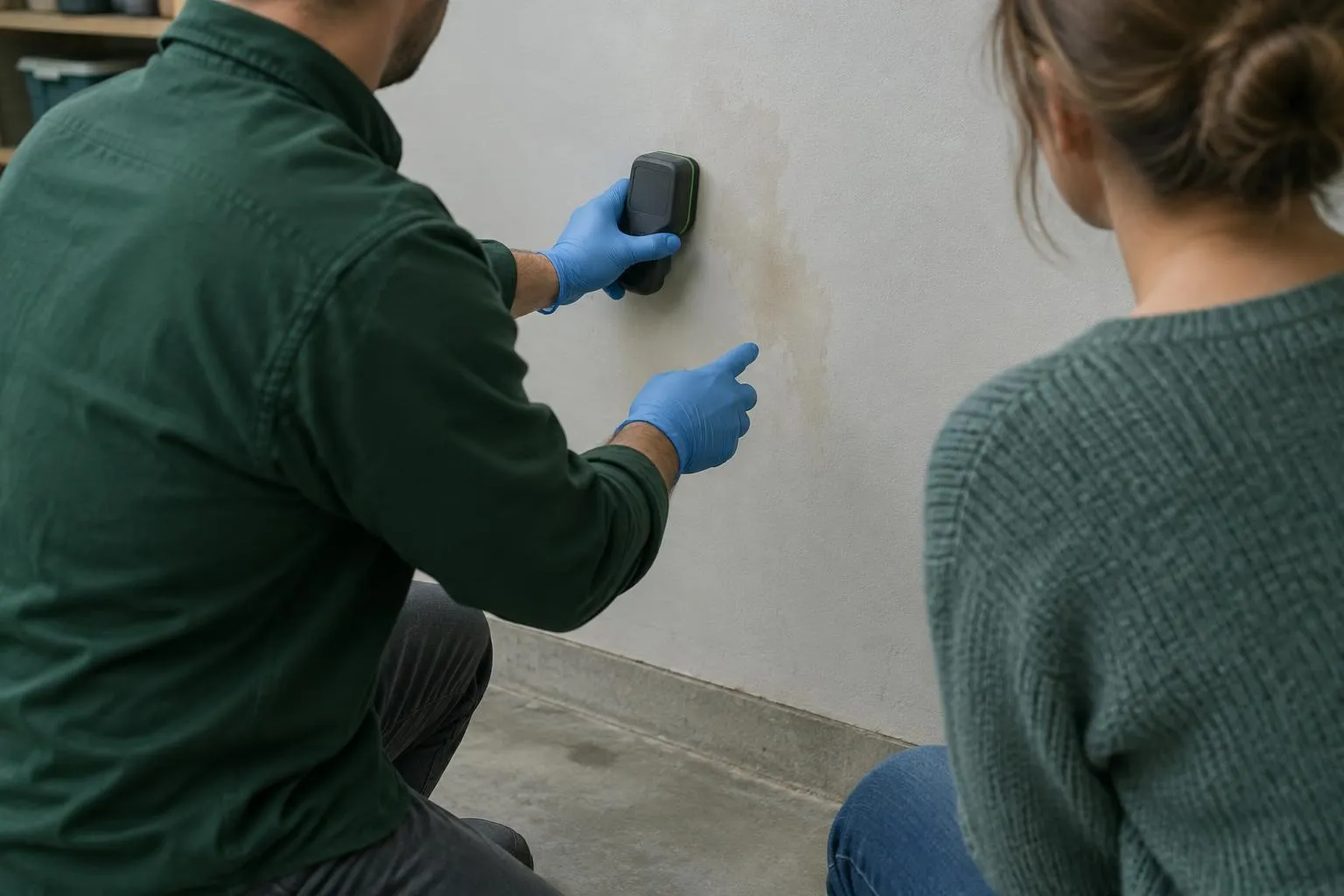
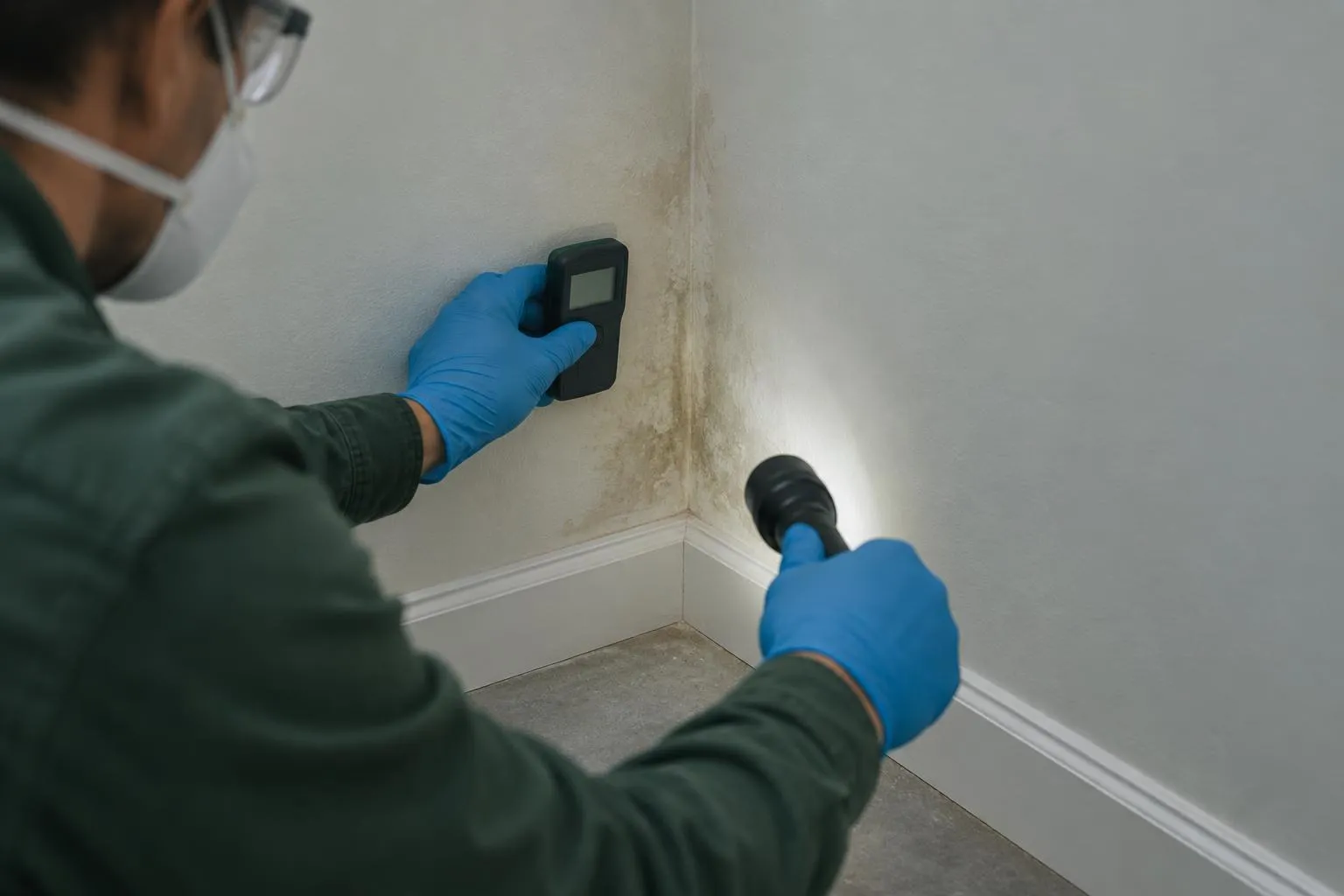
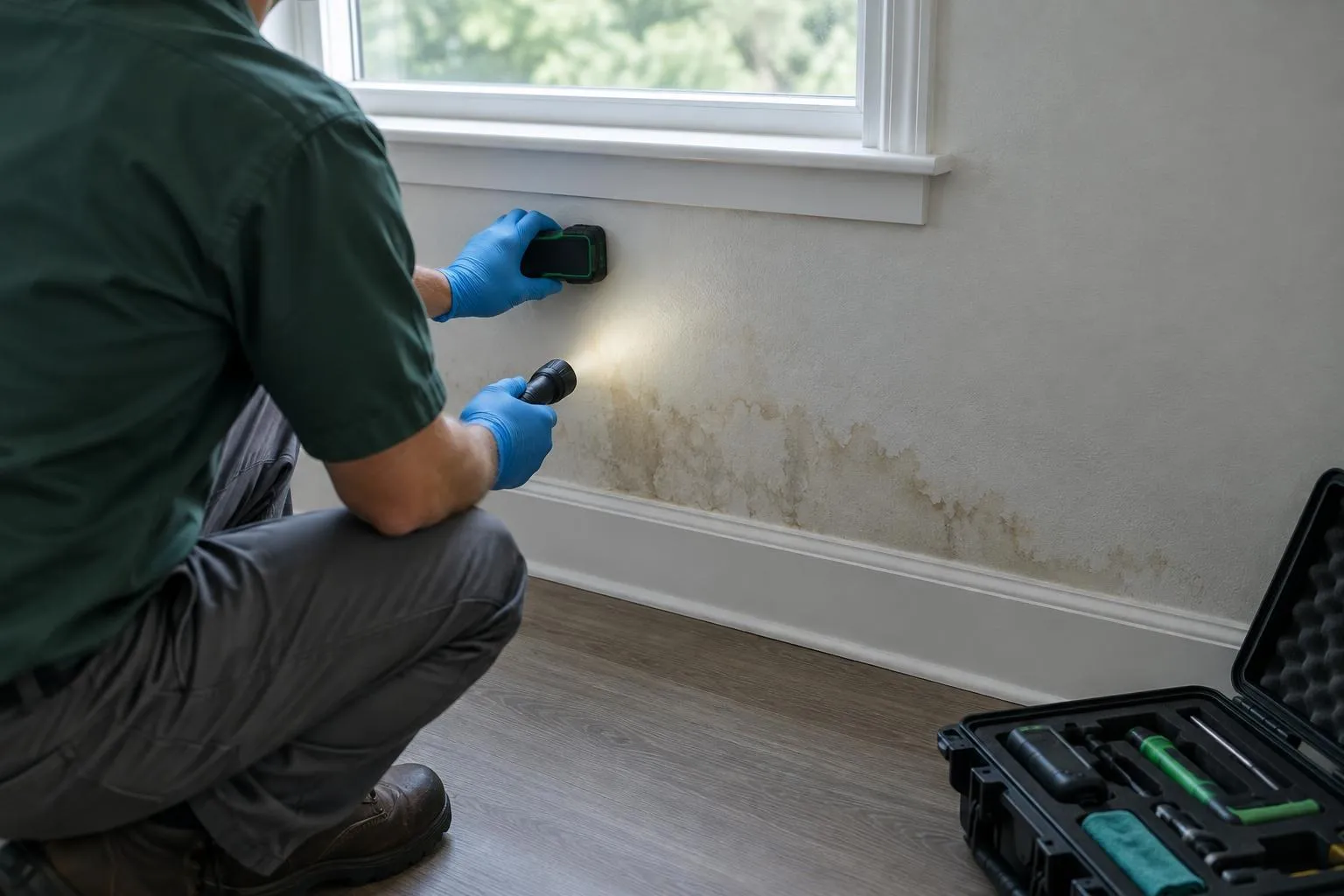
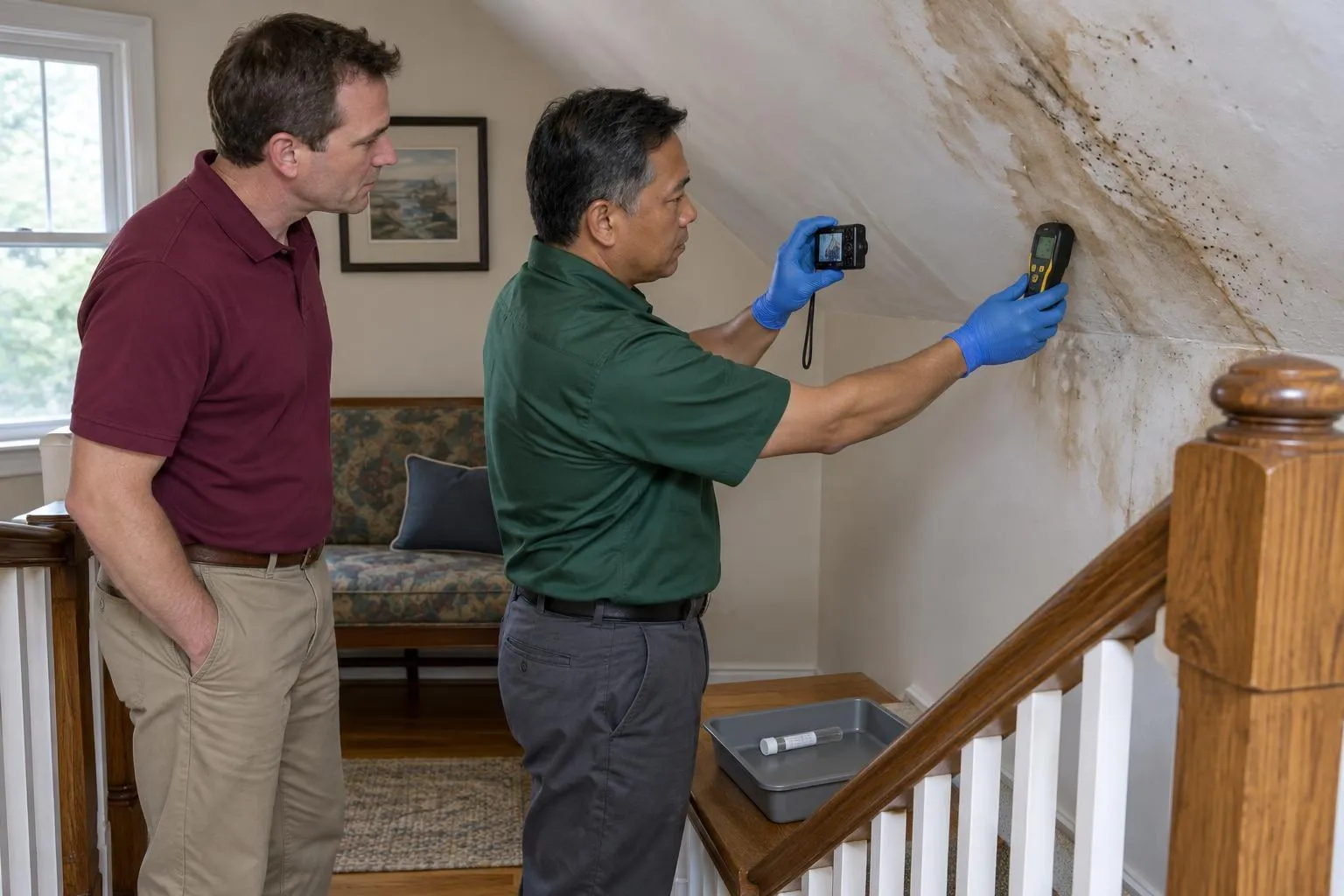
Here’s what most people miss: a mold inspection isn’t just someone walking around with a flashlight. It’s a structured process that involves specialized equipment (moisture meters, PPE, humidity probes), systematic sampling, and third-party lab analysis. The inspector’s job is to translate moisture conditions and visible damage into documented evidence.
Your job is to verify they actually did all three parts.
Reality Check:An inspector who shows up, takes a few photos, and sends you a report without quantitative readings or lab results is cutting corners. Moisture meters are cheap; using one is non-negotiable.
The Non-Negotiables: What Every Inspection Report Must Include
| Deliverable | What It Should Contain | Red Flags |
|---|---|---|
| Visual Documentation | Wide and close-up photos of concern areas (basements, attics, bathrooms, crawl spaces); dates captured; notes on visible stains, discoloration, peeling paint/drywall | Blurry photos; no interior photos; missing high-risk areas |
| Quantitative Measurements | Humidity % and temperature per room; moisture meter readings (esp. in areas of concern); baseline data for comparison | ”Humid” or “damp” without numbers; readings from only 1-2 locations |
| Surface Sampling & Lab Results | Minimum 1 sample per concern area; lab name and accreditation; species identified (if present); counts and notes | No lab analysis; fewer samples than concern areas; lab name missing |
| Documented Limitations | List of uninspected items and why (e.g., “crawl space inaccessible due to low clearance”) | Blank or missing; no explanation of gaps |
| Recommendations | Remediation steps (e.g., “install 6-8 mil vapor barrier in crawl space,” “seal gutter gaps”); prevention measures | Vague language; no specifics on next steps |
High-Risk Areas: What the Inspector Should Have Checked
If the inspection doesn’t cover these zones thoroughly, send it back.
Basements & Crawl Spaces
- Walls, floors, ceilings, and joists examined for mold, stains, and dampness
- Standing water noted and measured
- Vapor barrier condition (must be 6-8 mil plastic sheeting)
- Drywall, baseboards, and flooring checked for peeling, discoloration, or warping
- Humidity reading taken inside crawl space
Attics
- Water stains on decking, insulation, and framing
- Ventilation (roof vents, soffit vents functioning)
- Bathroom and dryer vents terminating outside, not into attic
- Musty smell documented
- Moisture meter check for hidden dampness under insulation
Bathrooms
- Under-sink plumbing for active or past leaks
- Toilet wax ring and floor integrity
- Tub/shower enclosure integrity (grout cracks, caulking failures)
- Exhaust fan functionality and ductwork (vents outside, not to attic)
- Mold visible in grout or caulking documented
Roof & Gutters
- Gutters clear and water directed 6-10 feet from foundation
- Shingles for curling, cracking, or missing sections
- Flashing intact around chimneys, vents, and skylights
- No evidence of previous leaks inside
- Weather conditions noted (recent rain, humidity spike, etc.)
Pro Tip:Request a photo inventory by room. If the inspector skipped an attic or crawl space, ask why (inaccessible? structural barrier?). An “I didn’t check it” without explanation means they either cut corners or your property has a documented gap in the inspection—and both matter.
How to Verify the Sampling Was Adequate
This is where most inspections either deliver or disappoint.
The Rule: At least 1 surface sample per area of concern. Areas of concern include:
- Visible mold or suspected mold growth
- Water damage (active or historical stains)
- Musty odors (indicates hidden moisture)
- Conducive conditions (high humidity, standing water, poor ventilation)
What to check:
- Sample count: Count the number of samples taken. If the inspector found 4 areas of concern, there should be ≥4 samples. If there are fewer, ask why.
- Sample locations: Lab results should list where each sample came from (e.g., “drywall behind toilet, guest bathroom”). If locations are vague, request clarification.
- Lab accreditation: The lab should be certified/accredited. Ask the inspector for the lab’s credentials.
- Species identification: If mold is detected, the report should name the species. “Mold present” isn’t specific enough.
Reality Check:More samples = better data. If an inspector found visible mold in a crawl space and a musty attic and water stains in a basement but took only 2 samples, they undersampled. Request additional samples or a second opinion.
The Quantitative Data Checklist
Vague language is the enemy. Here’s what numbers you should see:
- Humidity readings: % relative humidity per room (basements, attics, crawl spaces especially). Anything >60% is elevated; >70% is concerning.
- Moisture meter readings: Specific % or parts-per-million (ppm) in areas where dampness is suspected. A reading of “high moisture” means nothing; “48% moisture content in drywall behind kitchen sink” means everything.
- Temperature: Should be noted per area (helps explain why mold grows in one zone and not another).
- Sample counts by area: “3 samples collected from crawl space; 1 from attic; 2 from basement” is clear. “Multiple samples” is not.
If the report uses phrases like “damp,” “moist,” “somewhat humid,” or “areas of concern,” ask for the numbers. If the inspector can’t produce them, they didn’t measure properly.
Red Flags: When to Request a Re-Inspection
| Issue | Your Next Step |
|---|---|
| Missing high-risk areas (attic, crawl space, basement) without explanation | Request specific documentation of why they’re inaccessible or schedule a re-inspection |
| Fewer samples than concern areas | Ask for additional samples or a second inspector opinion |
| No humidity/moisture readings | Request quantitative data; if unavailable, the inspection is incomplete |
| Lab results missing or lab unaccredited | Request lab credentials and retest if necessary |
| Vague language (“mold likely,” “possibly damp,” “conducive conditions”) | Ask for specific measurements, photos, or lab proof |
| Photos from only 1-2 locations | Request a supplemental photo tour of all concern areas |
| No documented limitations | Ask what wasn’t inspected and why |
Downloadable Inspection Report Checklist
Print this, fill it out as you review the report, and bring it to your follow-up conversation with the inspector (or to a remediation contractor for quotes).
MOLD INSPECTION REPORT REVIEW CHECKLIST

Property: _________________ | Inspection Date: _________ | Inspector: _________

VISUAL DOCUMENTATION
☐ Wide-angle photos of each room inspected
☐ Close-up photos of concern areas (stains, discoloration, visible mold)
☐ Photos labeled with location and date
☐ Attic inspected and documented
☐ Basement/crawl space inspected and documented
☐ Bathrooms and under-sink areas documented
☐ Roof/gutter condition documented

QUANTITATIVE MEASUREMENTS
☐ Humidity % readings per room
☐ Temperature readings recorded
☐ Moisture meter readings in concern areas
☐ Baseline indoor/outdoor humidity compared
☐ All measurements dated and located

SAMPLING & LAB ANALYSIS
☐ Minimum 1 sample per concern area
☐ Sample locations clearly identified in report
☐ Lab name and accreditation noted
☐ Species identified (if mold present)
☐ Lab results attached to report
☐ Sample counts and breakdown clear (e.g., "3 crawl space, 2 attic")

DOCUMENTATION & CLARITY
☐ Uninspected areas listed with reasons
☐ Moisture intrusion sources identified
☐ Water damage history documented
☐ Odor observations noted (musty, earthy, etc.)
☐ Report uses specific measurements (not "damp" or "likely")

RECOMMENDATIONS & NEXT STEPS
☐ Remediation steps are specific (e.g., "install 6-8 mil vapor barrier")
☐ Prevention measures outlined
☐ Urgency level clear (immediate action vs. monitor)
☐ Contractor referrals provided (if applicable)

OVERALL ASSESSMENT
Report Completeness: ☐ Acceptable ☐ Needs Clarification ☐ Incomplete—Request Re-Inspection
Areas for Follow-Up: _________________________________________________________________
Practical Bottom Line
If your report passes the checklist above, you have actionable intelligence. You know where the moisture is, how bad it is, whether mold is present, and what to do about it.
If it doesn’t, here’s your move:
- List the missing items (use the checklist above).
- Email the inspector a polite request: “I noticed the crawl space humidity readings are missing. Can you provide those, or would a supplemental inspection be needed?”
- If the inspector can’t or won’t fill gaps, hire a second opinion from a credentialed inspector (CMI or ACAC-certified). It costs money upfront but saves you from missing hidden damage.
- Once you have a complete report, share it with a remediation contractor for cost estimates. Don’t trust a contractor’s inspection alone; your inspector’s findings should drive their scope of work.
Remember: Mold inspections are valid only for the date performed. They can’t predict future growth, but they do give you a clear picture of what exists right now. That clarity is worth the rigor.
For more on what makes a credible inspector in the first place, check out our Complete Guide to Mold Inspectors. And if you’re navigating remediation next, we’ve got a practical breakdown of when to hire professionals vs. when to DIY.
Done reading? Get quotes from mold inspectors near you.
Takes about a minute. Free, no obligation; providers reply to you directly.
Popular cities:
Nick built this directory to help homeowners find credentialed mold inspectors without wading through contractors who mostly want to sell remediation — a conflict of interest he ran into when trying to assess his own home after a plumbing leak.