Get free quotes from mold inspection near you
Takes about a minute. Free, no obligation; providers reply to you directly.
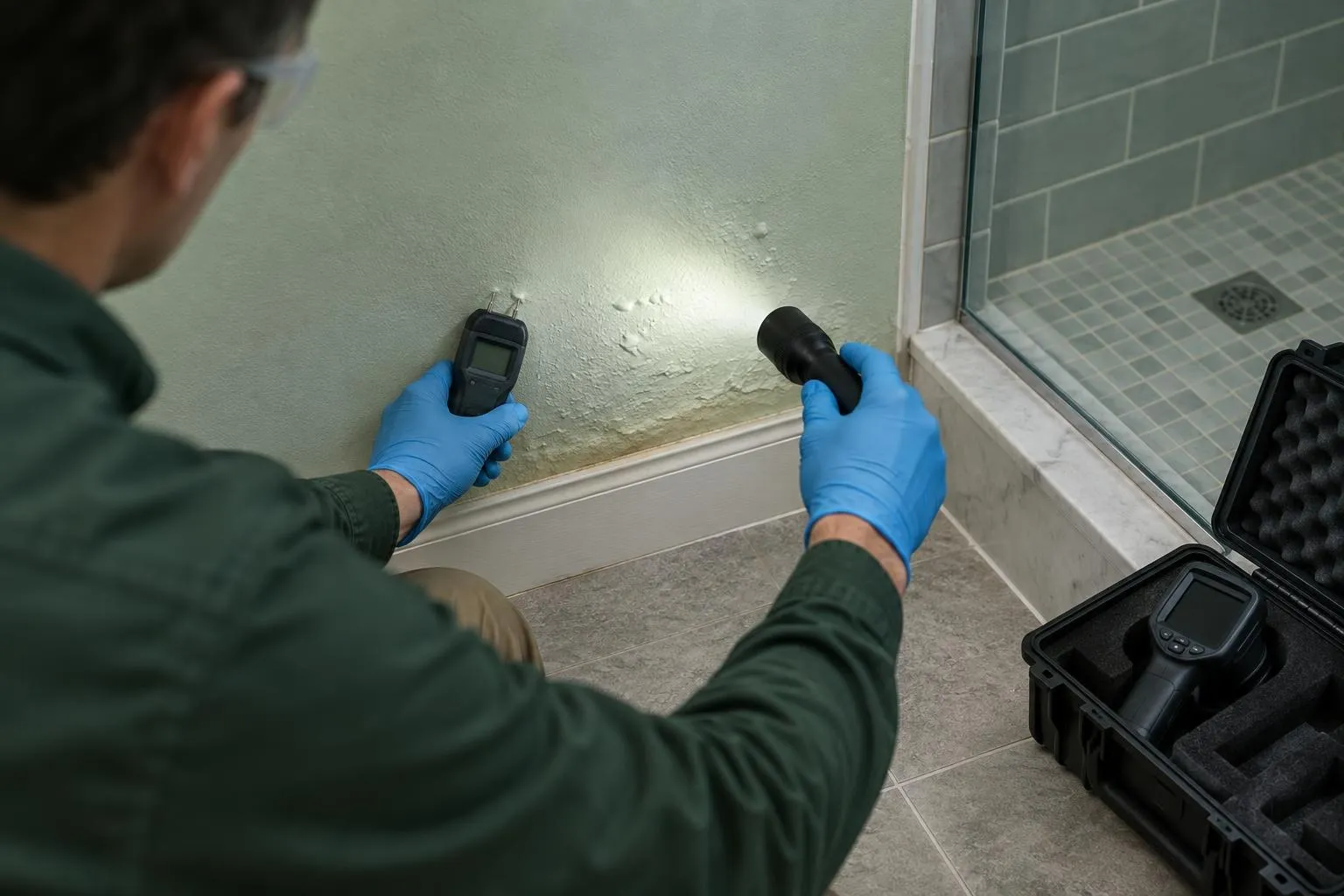
A master shower had been leaking for three years. The homeowners kept caulking the crack, kept mopping. Then their daughter developed a persistent cough. They called a mold inspector—who found 10 square feet of black mold thriving behind the tile, completely hidden from view. The problem wasn’t the visible water damage. It was that they’d treated the symptom instead of finding the source.
This is how mold inspection fails. And it fails in two directions: homeowners hire the wrong inspector, and inspectors take shortcuts that miss the actual problem.
Over 50% of buildings have mold issues, yet the industry remains largely unregulated—a perfect storm for expensive mistakes, missed infestations, and health risks nobody saw coming. I’ve dug into what actually separates thorough inspections from costly disasters.
The Short Version:Most mold failures happen because inspectors or homeowners focus on visible mold instead of the moisture problem that created it. Hire someone who tests multiple ways (visual + moisture meter + IR + air sampling), requires proof of water damage before recommending replacement, and actually fixes the leak first—not after cleanup. Check their credentials and ask if they’ve worked with sensitive populations.
Key Takeaways
- Ignoring moisture sources is the #1 mistake; mold returns within weeks if the leak isn’t fixed first
- Single-method testing (air samples alone, or visual alone) misses 30-50% of mold hiding in walls and ducts
- Unnecessary replacements cost thousands for “contaminated” materials that could be cleaned; scammers target homeowners post-leak
- Poor hiring criteria means you might get someone who’s never actually handled a moisture meter or checked sensitive populations for mycotoxin exposure
Mistake #1: Treating the Symptom, Not the Source
Here’s what happens: A water leak gets capped. The visible mold gets bleached. The homeowners feel like they’ve solved it.
Then, six weeks later, the mold’s back.
Nobody tells you this: mold isn’t the problem. Moisture is. Mold is just the announcement that moisture won the argument.
I’ll be honest—this is where both sides fail. Homeowners DIY-clean and call it done. Inspectors write reports recommending surface remediation without tracking down whether the underlying leak was actually fixed. The industry veteran who’s been doing 22-point annual inspections since 1986 says this one mistake explains 80% of repeat infestations.
Real-world example:Sink bases. A homeowner noticed black growth under the kitchen sink. They removed the cabinet, bleached the wood, reinstalled it. Two months later: mold again. A licensed inspector finally caught it—the PVC pipe connection had a hairline crack that weeps constantly. The pipe got replaced; the mold never returned.
How to prevent it:
Hire an inspector who explicitly identifies the moisture source before touching remediation. That means checking:
- Plumbing connections under sinks and appliances
- Roof leaks (thermal imaging helps here)
- HVAC condensation lines
- Foundation cracks and grading issues
- Bathroom/kitchen exhaust venting properly outside
The remediation plan should address the leak first. If it doesn’t, walk away.
Reality Check:If an inspector recommends cleanup without confirming the water source is fixed, you’re buying a temporary solution. You’ll be back here in 6-8 weeks.
Mistake #2: Relying on One Testing Method
A homeowner gets an air sample done. The lab report comes back negative. They assume they’re clear.
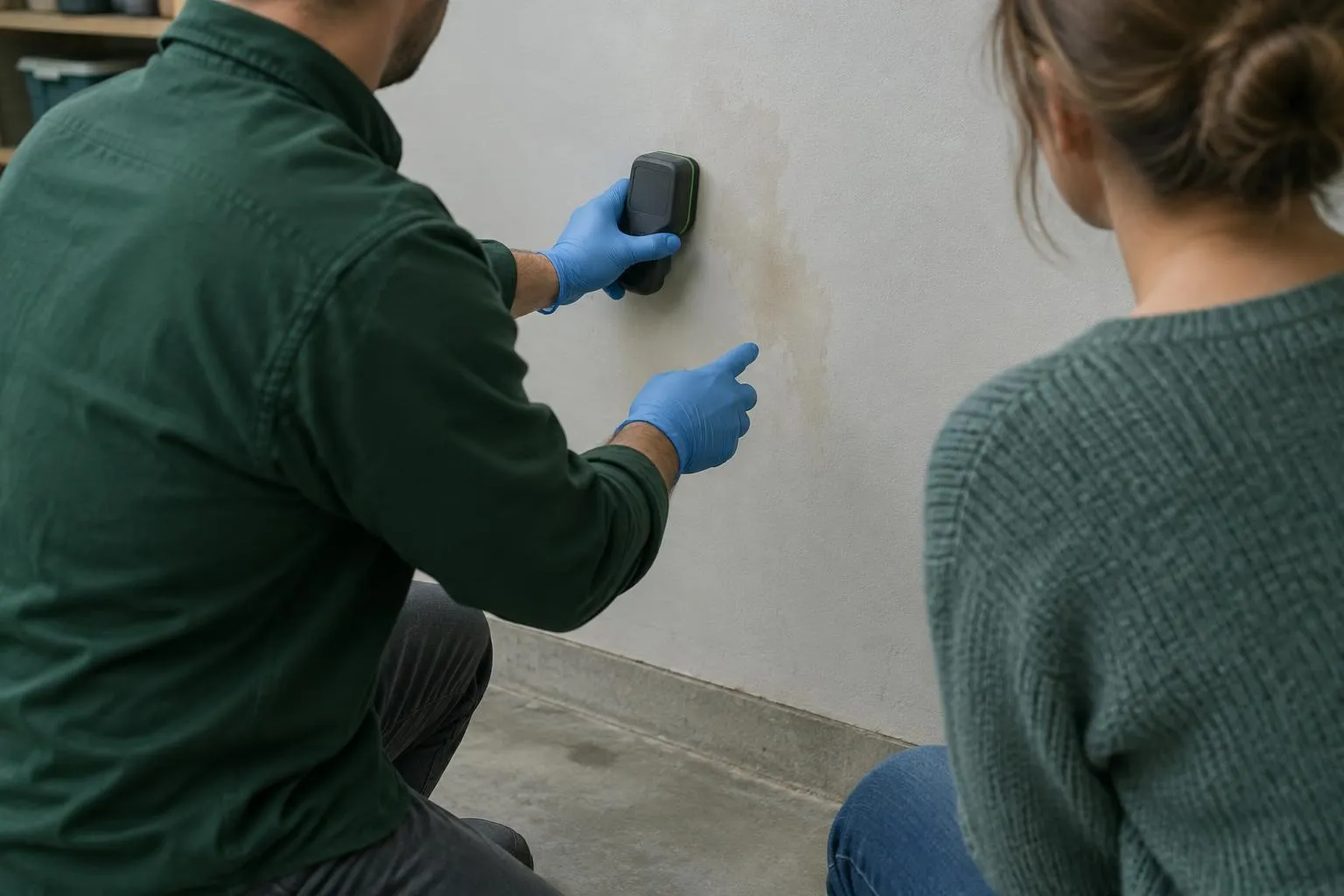
What they don’t know: air samples can miss mold hidden in wall cavities, behind baseboards, and inside HVAC ducts. It’s one data point, not the whole picture.
The research is clear here—combining visual inspection, moisture mapping, infrared thermal imaging, and lab-identified samples catches what any single method misses. Yet plenty of inspectors stop after plates or ERMI testing alone.
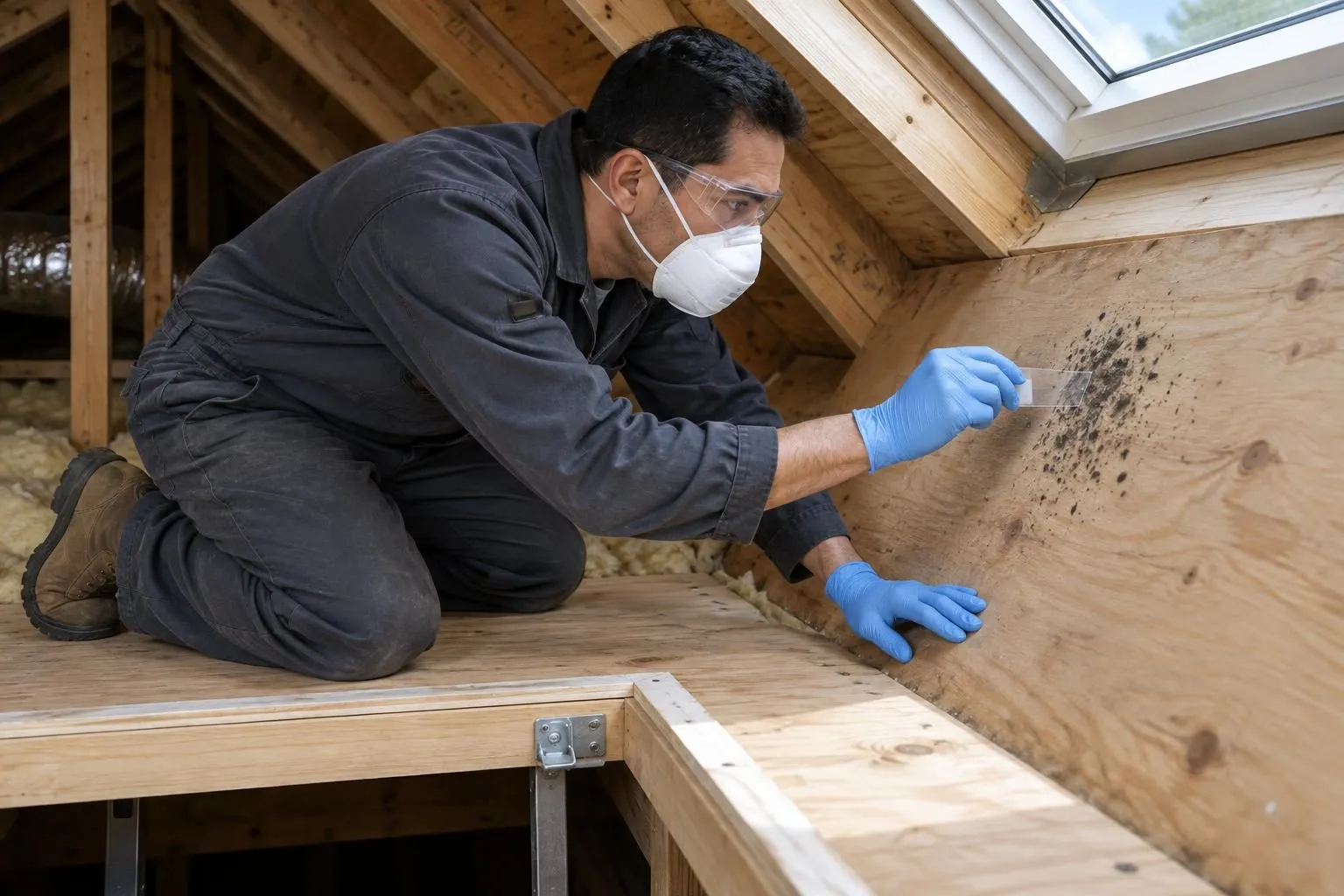
Real-world example:A family bought a house after getting “clean” air test results. Six months in, the teenage daughter developed respiratory symptoms. A second inspector showed up with an infrared camera and found a slow roof leak hidden above the attic insulation—active mold was growing where the air sampler never reached.
How to prevent it:
Demand a multi-method inspection:
| Method | What It Catches | What It Misses |
|---|---|---|
| Visual Inspection | Surface mold, water stains, discoloration, odors | Mold behind walls, inside ducts, under flooring |
| Moisture Meter | Materials with >40% moisture (active water damage) | Slow leaks, hidden condensation, mycotoxins |
| Infrared Thermal Imaging | Temperature differences indicating moisture cold spots | Mold that hasn’t caused visible damage yet |
| Air Sampling | Spore levels and species identification via lab | Isolated sources, localized colonies |
| VOC Meters | Volatile organic compounds (odor indicators) | Active vs. inactive growth; mycotoxin presence |
A thorough inspection uses all five. If your inspector says one is unnecessary, get a second opinion.
Pro Tip:Ask the inspector specifically: “What areas are you checking that air samples won’t catch?” If they hesitate, they’re not thinking about hidden spots.
Mistake #3: Pushing Unnecessary Replacements
This is where the industry’s regulatory gap turns into an outright scam.
A water event happens (burst pipe, roof leak, flood). A contractor or inspector shows up and recommends replacing:
- HVAC ducts ($2,000–$5,000)
- Drywall sections
- Cabinets
- Carpet and padding
- Insulation
Sometimes it’s necessary. Often, it’s not.
Here’s the thing nobody says out loud: the industry makes money on replacement, not remediation. A homeowner who just experienced water damage is vulnerable, confused, and willing to pay to make sure “all the mold” is gone. That’s the opening.
Real-world example:A basement flooded 2 feet during a storm. A contractor said the flexible HVAC ducts were “contaminated” and needed full replacement. The actual problem was standing water in the crawlspace; once that was pumped out and the area dried in 48 hours (the threshold for mold colonization), the ducts were fine. The contractor never mention drying time—just replacement costs.
How to prevent it:
The rule is simple: moisture >40% on a moisture meter = possible replacement. Below that = clean it.
Active water damage (fresh moisture, ongoing leaks) sometimes requires pulling materials. But materials with xerophilic mold (secondary colonizer, not the aggressive black mold that needs active water) can be sanitized.
Before agreeing to replacement:
- Verify the actual moisture level with the inspector’s meter
- Ask if the material was actively wet (within 48 hours) or just exposed to high humidity
- Get a second opinion from a licensed remediation company
- Check if the mold is actually present or if they’re guessing based on “risk”
Reality Check:“We should replace this to be safe” often means “this is profitable to replace.” Demand evidence—moisture readings, lab tests, documented active water—not assumptions.
Mistake #4: Not Checking Inspector Credentials or Experience
The mold inspection industry is the Wild West. Licensing varies wildly by state. Someone can hang out a shingle with minimal training and zero accountability.
This matters because inexperienced inspectors miss mold—especially the low-level growth that matters to people with mold sensitivity or mycotoxin exposure risks.
How to prevent it:
Before hiring, verify:
- Credentials: CMI (Certified Mold Inspector) or ACAC CMC/CMRS certifications
- Insurance: Liability coverage specific to mold work
- HVAC knowledge: Ask if they inspect ducts and condensation lines—many don’t
- Sensitive population experience: Have they worked with people who have mold-related health issues? Can they explain mycotoxin testing vs. mold spore testing?
- Transparency: Do they explain why they’re recommending what they’re recommending? Or just hand you a scary report?
One more thing: ask if they attend health-focused conferences or continuing education beyond basic certification. The difference between “I inspect for mold” and “I understand the health implications of mold exposure” shows in the depth of their investigation.
Pro Tip:Call 2-3 inspectors and ask: “What do you look for that other inspectors might miss?” The answer reveals whether they’re thinking deeply or just running a checklist.
Mistake #5: Ignoring Humidity Control Post-Inspection
Indoor relative humidity above 55% is a mold breeding ground. The research is unambiguous: optimal control is 30–50%, and anything above 60% is asking for trouble.
Yet homeowners get inspection reports, fix the obvious leak, and never address the humidity or ventilation that allowed mold to thrive in the first place.
How to prevent it:
Post-inspection action plan should include:
- Dehumidifiers for chronically damp areas (basements, crawlspaces)
- Exhaust fans in bathrooms and kitchens vented outside (not into attics)
- Pipe insulation to prevent condensation on cold supply lines
- Moisture monitoring: Check humidity monthly. If it drifts above 55%, you’ve got an airflow or water intrusion problem
This isn’t glamorous. It won’t make the inspector’s report. But it’s the difference between “one-time remediation” and “permanent solution.”
Mistake #6: Skipping the Post-Remediation Verification
Work gets done. Mold gets cleaned. Then what?
Many homeowners never verify that remediation actually worked. Symptoms persist, they assume it’s psychological, and meanwhile hidden mold keeps growing.
How to prevent it:
After remediation:
- Request a post-work moisture survey to confirm materials are back below 40%
- Do a follow-up air sample 2–4 weeks after work (allows time for any residual spores to settle)
- Document that humidity stays controlled (purchase a simple hygrometer, check it monthly)
- Track symptoms—coughing, respiratory issues, skin reactions—to confirm improvement
If symptoms persist after cleanup, ask the remediation company for a second inspection. The issue might be hidden mold elsewhere, or incomplete source removal.
Reality Check:“We cleaned it” isn’t verification. Proof is a moisture meter showing <40% and follow-up testing confirming spore levels dropped.
Mistake #7: Overlooking HVAC System Issues
HVAC ducts and condensation lines are mold’s favorite hiding spot. They’re humid, dark, and out of sight.
Many inspectors don’t check them thoroughly. Some don’t check them at all.
How to prevent it:
Explicitly ask if the inspector checked:
- Supply and return ductwork (using a borescope camera if possible)
- Condensation drainage lines from the air handler
- Filter condition (dirty filters reduce airflow, increase humidity)
- Insulation around cold-air returns (condensation risk)
If they didn’t, insist they do, or hire someone who will.
Mistake #8: Getting Scared Into Unnecessary Medical Testing
Some inspectors recommend mycotoxin testing or mold-specific blood work based on visible mold alone.
Here’s what most people don’t understand: mold presence ≠ mycotoxin exposure. And detecting mycotoxins in air or blood is medically controversial and expensive.
How to prevent it:
If an inspector recommends health testing, ask:
- “What’s your basis for this recommendation?” (Visual mold alone isn’t enough.)
- “Has a doctor ordered this, or is this your suggestion?”
Work with your doctor on health decisions, not the mold inspector. The inspector’s job is to identify mold and its source—not to diagnose exposure-related illness.
Mistake #9: Not Following the 48-Hour Drying Rule
Mold colonizes moist materials within 24–48 hours. This isn’t a guess—it’s the industry standard for when water damage becomes a mold problem.
Yet homeowners and some contractors ignore this window, assuming they can dry materials slowly or “see if mold shows up.”
How to prevent it:
After any water event:
- Extract standing water immediately (within hours, not days)
- Start drying: Dehumidifiers, fans, open windows (if outdoor humidity is low)
- Monitor moisture: Check with a meter every 12 hours
- Target: Materials should be below 25% moisture within 48 hours
- If they’re not: Remove and replace them now, before mold takes hold
Prevention at scale: Maintain indoor humidity below 55%, fix leaks within 24 hours, and dry affected areas aggressively.
Practical Bottom Line
If you’re hiring a mold inspector:
- Verify credentials (CMI or ACAC certification) and ask about their experience with sensitive populations
- Demand multi-method testing: Visual + moisture meter + infrared + air sampling + lab ID
- Confirm the moisture source is identified before any remediation happens
- Get proof of moisture levels (>40% = possible replacement; <40% = cleanable)
- Request post-remediation verification (moisture survey + follow-up air sample)
- Monitor humidity monthly to prevent regrowth
If you’re a mold inspector or remediation professional:
- Lead with moisture source identification, not surface cleaning
- Use all five testing methods; never rely on one
- Push back against unnecessary replacements with data
- Verify your work with post-remediation testing
- Stay transparent about what you’re recommending and why
The homeowners with 10 square feet of hidden black mold didn’t fail because they’re careless. They failed because they hired someone who didn’t look behind the walls.
Don’t be that hire. Don’t be that inspector.
Ready to get it right? Start with our Complete Guide to Mold Inspectors for the full framework on what to expect, what to ask, and how to avoid the costly mistakes most people make.
Done reading? Get quotes from mold inspectors near you.
Takes about a minute. Free, no obligation; providers reply to you directly.
Popular cities:
Nick built this directory to help homeowners find credentialed mold inspectors without wading through contractors who mostly want to sell remediation — a conflict of interest he ran into when trying to assess his own home after a plumbing leak.