Get free quotes from mold inspection near you
Takes about a minute. Free, no obligation; providers reply to you directly.
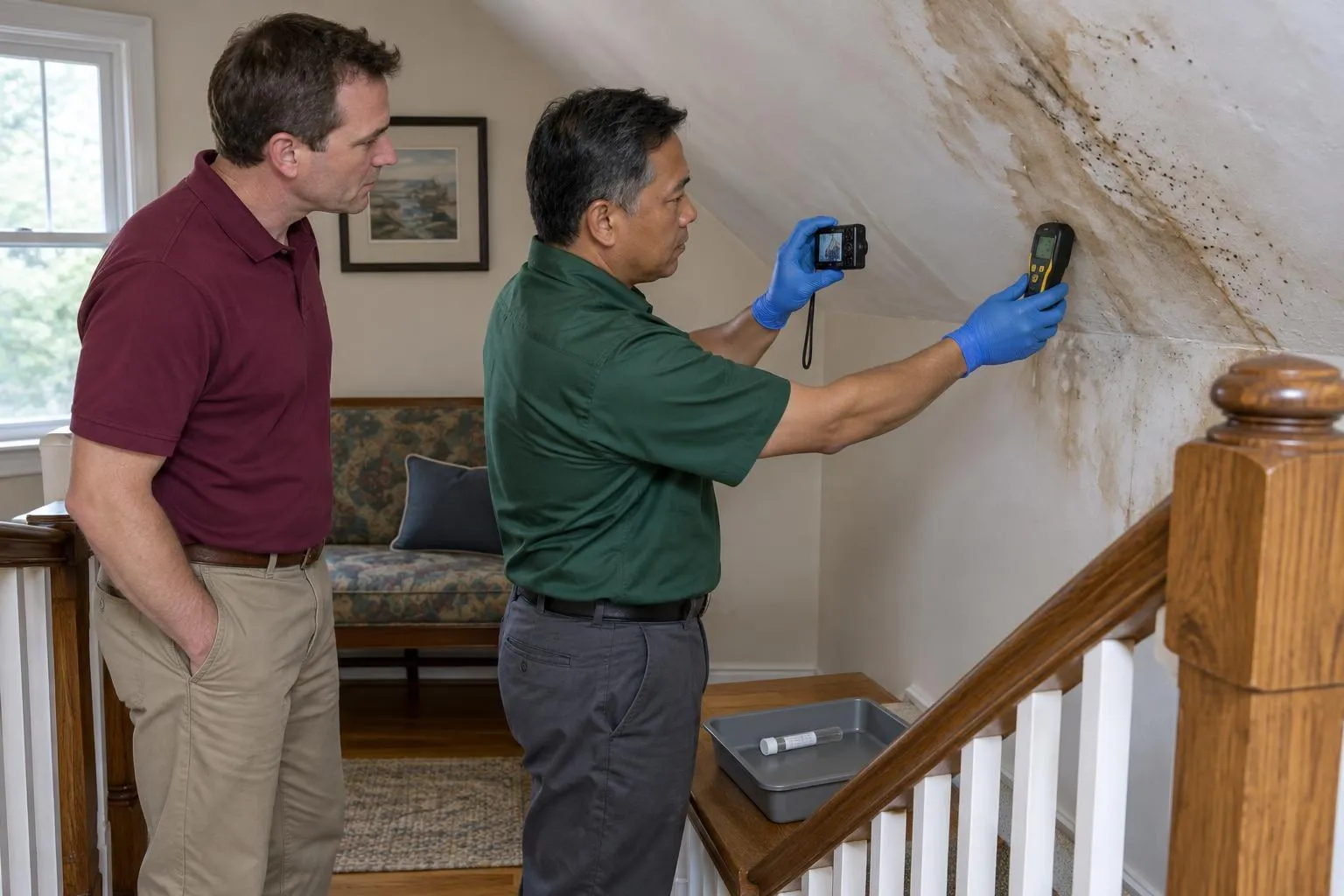
You’re standing in your commercial property after a water event, and a “certified mold inspector” shows up with a clipboard, spends 20 minutes looking around, and hands you a bill for $400 and a report that says basically nothing. No lab data. No recommendations. Just “mold present—call a remediation company.”
That inspector probably got their “certification” from a weekend online course.
Here’s what nobody tells you: most states don’t require mold inspectors to be licensed or formally certified at all. Zero federal standards exist. Your local HVAC guy could theoretically call himself a mold expert tomorrow and be entirely legal in many jurisdictions. The industry is full of well-intentioned people with minimal training and well-intentioned people with deep expertise—and the untrained ones cost almost the same.
This matters because a bad inspection doesn’t just waste your money. It either misses a serious problem or it flags something benign and sends you down an expensive remediation rabbit hole you didn’t need.
The Short Version:Hire an inspector with ACAC certification (CIEC, CMC, or CMCC—requiring 8 years’ field experience), who performs hundreds of inspections annually, uses accredited third-party labs, carries E&O insurance, and has zero financial ties to remediation. Ask for references. Avoid anyone offering to fix the problem themselves.
Key Takeaways
- Certifications matter, but not all certifications are created equal. ACAC credentials require 8 years of field experience; “certification mills” require a weekend online.
- Experience is measurable. Qualified inspectors perform several hundred inspections per year. If they can’t cite that number, move on.
- Conflict of interest is your biggest risk. If the inspector profits from remediation work, their objectivity is compromised.
- A real report includes lab data, visuals, and interpretation. Not just a checklist with a referral to a contractor.
The Certification Trap: Why Most Mold Inspector “Credentials” Are Worthless
Here’s the uncomfortable truth: there is no federal standard for mold inspectors, and most states have zero licensing requirements. That means your neighbor with a YouTube certification and a moisture meter is technically operating legally in most places.
This creates a market where credentials range from genuinely rigorous to embarrassingly shallow—and both might cost you the same $300–$600.
The hierarchy exists, but you have to know what to look for.
The gold standard is ACAC (American Council for Accredited Certification), which accredits three primary certifications:
| Certification | Minimum Field Experience | What It Means |
|---|---|---|
| CIEC / CMC / CMCC | 8 years | Highest standard; engineered interpretation of building systems and mycology |
| CMI | 2 years | Mid-level; covers residential inspections competently |
| CRMI | <2 years | Entry-level; okay for basic residential, not for complex issues |
Below that, you’ll find “certifications” from online providers that require nothing more than a test after a few hours of video. These aren’t illegal—they’re just not backed by actual field experience.
Reality Check:Home inspectors routinely complete their entire mold training in 3–4 hours of online coursework. They may have a credential, but they haven’t spent years learning how mold behaves in different building systems, moisture patterns, or how to interpret lab results. Don’t confuse “certified” with “experienced.”
The Experience Gap: Why Hundreds of Inspections Per Year Actually Matters
A qualified mold inspector should perform several hundred inspections annually. This isn’t arbitrary.
At that volume, an inspector has seen mold in attics, crawlspaces, HVAC systems, walls, basements, and commercial buildings. They’ve learned which moisture patterns mean active growth vs. dormant contamination. They understand the local climate and building codes. They’ve made mistakes and learned from them.
Someone doing 20–30 inspections a year is still on the learning curve.
When you talk to a potential inspector, ask: “How many inspections have you completed in the past 12 months?” A solid answer is “150+” or higher. Anything under 100, and they’re not deep enough in the work to be reliable.
Pro Tip:Cross-check this claim. Ask for references from inspections in the past 6 months. Call 2–3 of them. A real professional will have happy clients who remember the work.
The Red Flags: What Actually Disqualifies an Inspector
Not all warning signs are created equal, but some are deal-breakers:
1. They offer remediation or cleanup services. This is the biggest one. If the inspector makes money from recommending (or performing) remediation, they have a financial incentive to find problems—or to overstate severity. Even if they’re honest, the conflict of interest exists, and you can’t trust the report.
2. They lack professional liability (E&O) insurance. E&O is expensive for mold inspectors—often $2,000–$5,000+ annually. If they don’t carry it, they’re either cutting corners or new to the business. Either way, you’re taking on risk.
3. They’re not ACAC-certified and can’t articulate why. Some good inspectors predate ACAC or work in niche areas where alternative credentials matter. But if they say they don’t have it and seem indifferent about it—that’s a signal they don’t prioritize credibility.
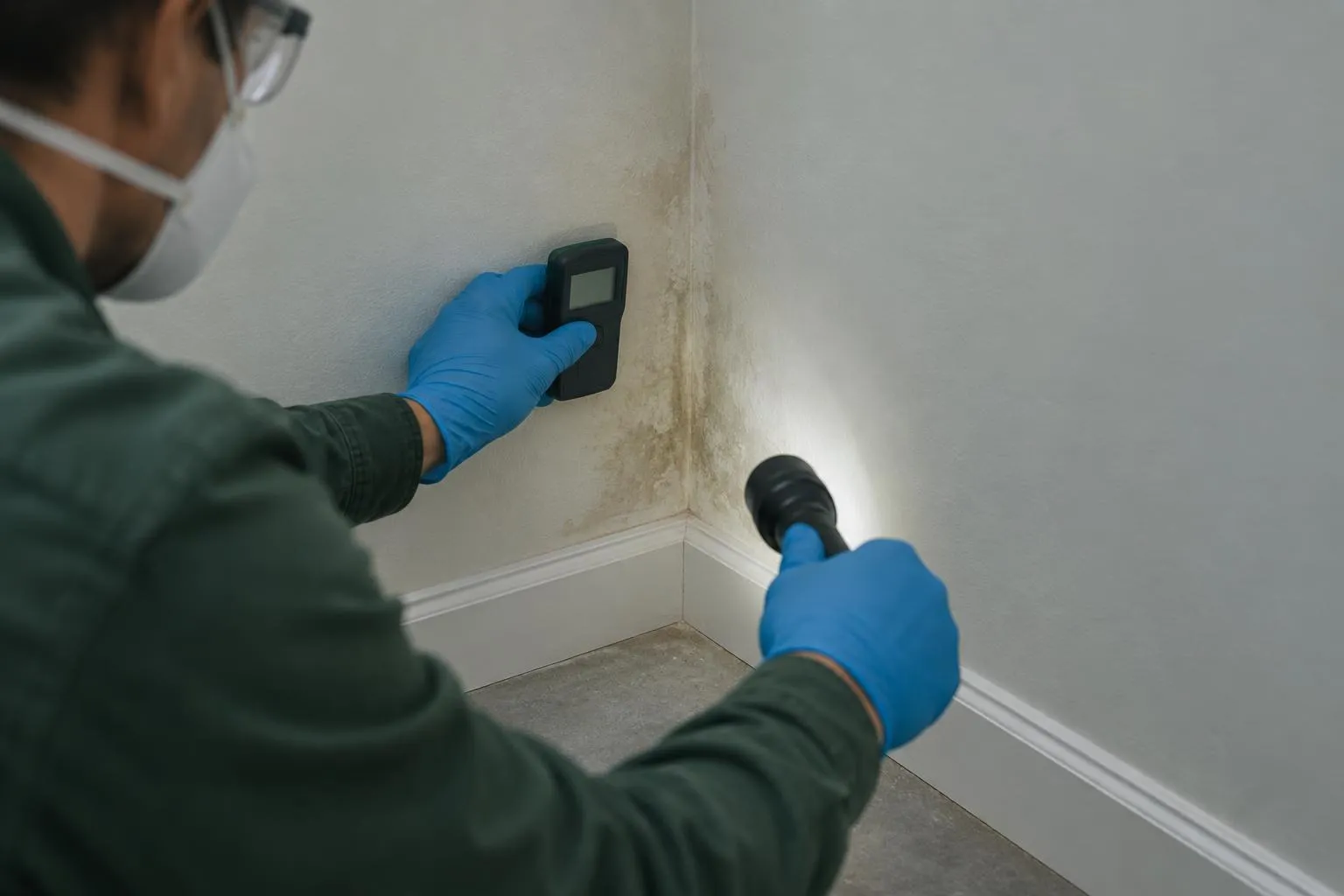
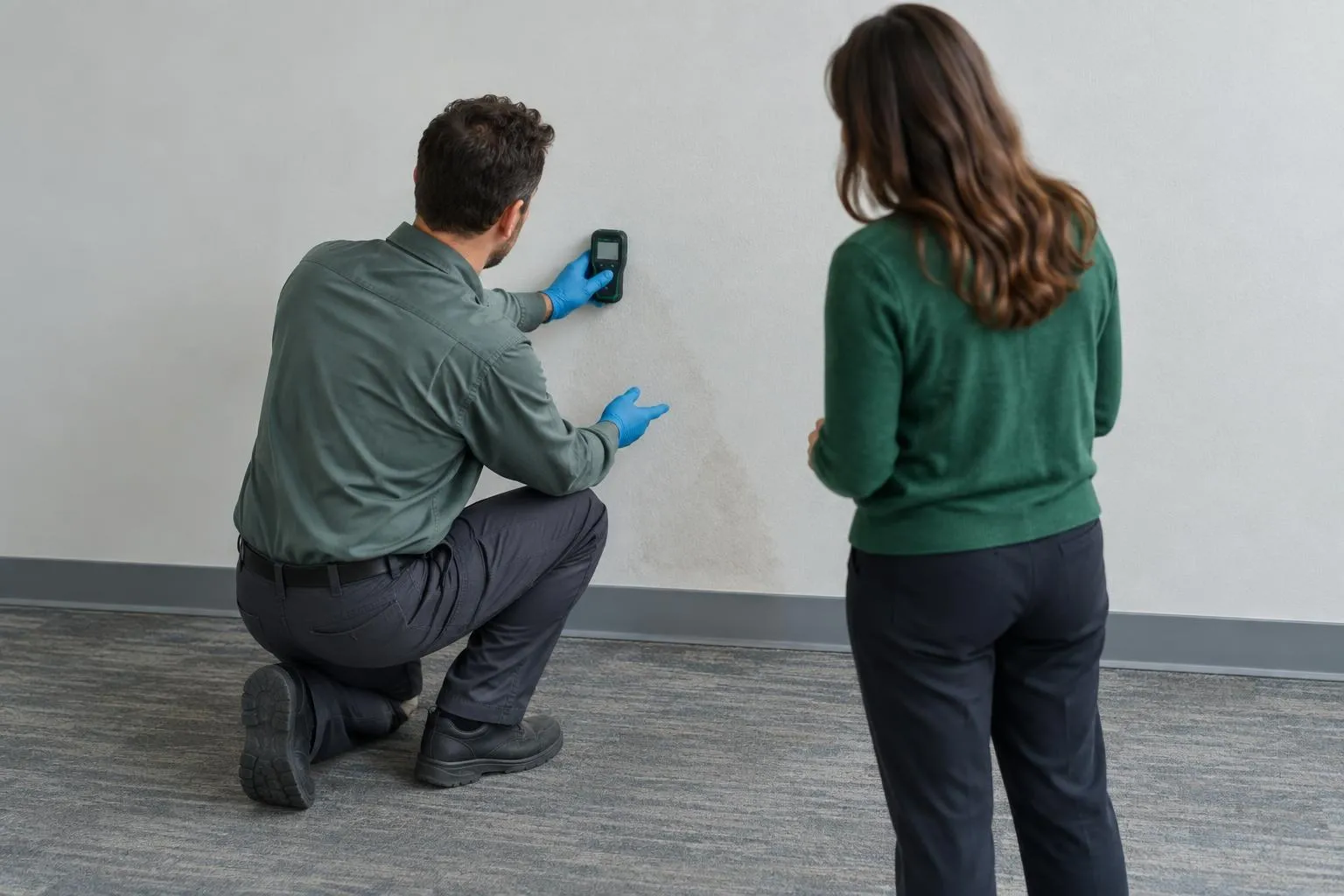
4. They rush the inspection or skip accredited lab testing. A proper mold inspection involves visual assessment, moisture mapping, air sampling, and surface sampling sent to an accredited laboratory. If they’re doing it in under 1–2 hours, they’re not being thorough.
5. They can’t produce a comprehensive written report. Your report should include photos, lab results with species identification, moisture readings, a narrative explaining findings, and specific remediation recommendations. A one-page checklist isn’t a report.
6. They’re tied to real estate agents or contractors. This doesn’t automatically disqualify them, but it introduces bias. A real estate agent wants the deal to close. A contractor wants the job. You want the truth. Independent is better.
What to Ask: The Questions That Separate Real Pros from Pretenders
Here’s a numbered list you can actually use when you call:
-
Are you ACAC-certified? If so, which credential (CIEC, CMC, CMCC, CMI)?
- Anything other than these should trigger follow-up questions about why.
-
How many mold inspections have you completed in the past 12 months?
- You want 150+. Anything less means they’re not seasoned.
-
Do you offer remediation, cleaning, or any other services tied to mold removal?
- Should be “no.” If “yes,” move to the next inspector.
-
Which accredited laboratory do you use for sampling?
- They should name a specific, reputable lab. Ask them to verify it’s accredited.
-
Do you carry professional liability (E&O) insurance?
- Should be yes. It’s a sign of professionalism and risk awareness.
-
Can you provide references from inspections you’ve completed in the past 6 months?
- Good inspectors have satisfied clients who are happy to vouch.
-
Are you a member of any professional organizations (ACAC, state associations)?
- Should be yes. Check their standing on the association’s website.
-
What will the final report include?
- Listen for: photos, lab data with species ID, moisture readings, written interpretation, and specific recommendations. If they’re vague, skip them.
Certified vs. Uncertified: The Real Cost Difference
You’ll hear inspectors claim there’s little difference between certified and uncertified work. That’s sales talk.
Here’s the difference:
An ACAC-certified CMC or CIEC:
- 8+ years of field experience
- Passed a rigorous exam covering mycology, building science, and moisture assessment
- Completes continuing education annually
- Understands how to interpret lab data and connect it to building conditions
- Can explain why mold is growing and what conditions caused it
An uncertified or “mill-certified” inspector:
- May have 0–2 years of experience
- Passed an online test after a brief course
- No ongoing education requirement
- Can identify mold visually and order samples, but may struggle to interpret why it’s there or what it means
- Produces a report but can’t reliably advise on remediation scope
The fee difference is often $50–$150, but the quality gap is massive.
Reality Check:A bad inspection doesn’t save you money—it costs you money later when you either miss a problem or overpay to fix something that wasn’t serious.
Practical Bottom Line
Here’s what to do next:
-
Get at least 2–3 quotes. Compare certifications, experience (inspections per year), and services offered.
-
Verify certifications directly. Go to the ACAC website or your state health department and confirm the credentials are real and active.
-
Call references. Don’t just ask if they were satisfied—ask what they learned from the report and whether recommendations made sense.
-
Check insurance and association membership. A quick online search should confirm E&O coverage and professional standing.
-
Compare reports after the inspection. The one with photos, lab data, and clear explanations wins. Every time.
If you’re hiring an inspector for a commercial property or after a water event, the stakes are higher. Go with ACAC-certified, high-volume, independent inspectors. It’s not the cheapest option, but it’s the right one.
For more context on what a mold inspector actually does, check out our complete guide to mold inspectors.
Done reading? Get quotes from mold inspectors near you.
Takes about a minute. Free, no obligation; providers reply to you directly.
Popular cities:
Nick built this directory to help homeowners find credentialed mold inspectors without wading through contractors who mostly want to sell remediation — a conflict of interest he ran into when trying to assess his own home after a plumbing leak.