

Office location not published
Service area: “MOLD TESTING COLORADO SPRINGS, COLORADO”
Published service area ↗Compare curated mold inspectors, check certifications, read reviews, and request quotes — all in one place.
Map shows providers with a known office location. All providers are listed below.
No providers match this filter.
Providers with an office in the Colorado Springs area, matched by the ZIP code of their published address.
Based outside the Colorado Springs area, with Colorado Springs named in the service area on their own website.
Office location not published
Service area: “MOLD TESTING COLORADO SPRINGS, COLORADO”
Published service area ↗Also in Colorado: Boulder area (1), High Rockies area (1)
Need help choosing? Get matched with top providers in seconds.
0 providers selected
Are you a mold inspector in Colorado Springs? Already listed here: Adaptive Environmental Consulting Group, Integrity Environmental Testing & Consulting, LTS Resource LLC. and 2 more.
List your businessView curated providers, check certifications, and read real client reviews.
Select up to 5 providers and send your project details. Free, no obligation.
Compare quotes, check availability, and book directly with the provider.
Hiring a mold inspector in Colorado Springs shouldn’t feel like a gamble. You’ve got a water leak, a musty basement, or you’re three days from closing on a house and suddenly someone mentions “possible mold concerns” — and now you’re scrolling through Google trying to figure out who’s actually qualified versus who just bought a moisture meter on Amazon. The directory below cuts through that. These are vetted professionals with real credentials (CMI, ACAC certifications, third-party lab partnerships) who actually know how to find what’s hiding in your walls.
Look for certifications first. A Certified Mold Inspector (CMI) or ACAC-credentialed professional (CMC, CMRS, CIEC) has passed real exams and stays current on protocol. This matters — mold identification varies by species, and misdiagnosis costs you money and health. If they can’t name their cert or when they got it, keep scrolling.
Ask about their process. You want visual inspection, moisture mapping (thermal imaging or moisture meters to find hidden wetness), and air or surface samples sent to a third-party lab. If they’re just eyeballing the space and calling it done, you don’t have data — you have an opinion. Lab results are your legal paper trail, especially in transactions.
Check their turnaround. Lab analysis typically takes 3–5 business days. A reputable inspector should tell you upfront: when they’re coming, when you’ll get preliminary findings, when the full report lands. If they’re vague about timing, they’re likely juggling too much.
Verify they handle your specific scenario. Did you have a burst pipe? A roof leak? Respiratory symptoms in your family? Different triggers require different expertise. A inspector who’s done 50 flood-related mold assessments brings experience you need. Ask about their recent cases (they won’t name clients, but they’ll describe patterns).
Pro Tip: Colorado Springs has low humidity overall, but basements and crawlspaces are perennial trouble zones — especially in older homes near downtown. Ask your inspector if they have specific experience with dry-climate mold patterns and basement moisture control in the area. It’s a real advantage.
A standard mold inspection runs $200–$800 depending on square footage, complexity, and whether sampling is included. Visual-only inspections sit at the lower end; full assessments with lab samples run higher. You’re paying for credentials, equipment, and the lab work — not just their time onsite (typically 1–3 hours).
The report you get back names the mold species, maps affected areas, quantifies the extent (visual estimate or lab counts), identifies the moisture source, and recommends next steps: ventilation fixes, dehumidification, professional remediation, or “no action needed.” A good report is detailed enough for your realtor, insurance company, or remediation contractor to act on immediately.
Reality Check: Don’t let price alone drive your decision. The cheapest inspector often means no sampling, no lab work, and a report that says “mold detected — hire a remediator” without specifics. You end up overpaying for remediation because you don’t know what you’re actually dealing with.
Colorado Springs’s semi-arid climate means mold issues tend to be moisture-event driven (plumbing failures, roof leaks, foundation cracks) rather than ambient humidity — which makes precise diagnostics even more valuable. When mold does show up, it’s often a sign of a specific, fixable problem, not systemic dampness. That’s good news if you’re buying, and it means your inspector should be able to trace the cause and confirm remediation worked.
Mold Inspector services in Colorado Springs typically run $200-800 per inspection, depending on scope, complexity, and turnaround requirements. Expedited work and specialized equipment add cost.
Look for CMI — it's the credential that separates qualified mold inspectors from the rest. Also verify insurance, check reviews, and confirm they can handle your project's specific requirements.
There are currently 5 mold inspectors listed in Colorado Springs, CO on MoldRegistry.
Sponsored providers pay for more prominent placement on pages where they already qualify to appear. Payment does not change a provider's location, credentials or reviews, and it is not an endorsement. All providers on MoldRegistry — sponsored or not — are real businesses.
Find certified, independent mold inspectors: what to expect, how much to pay ($300–$700), and red flags to avoid before hiring.
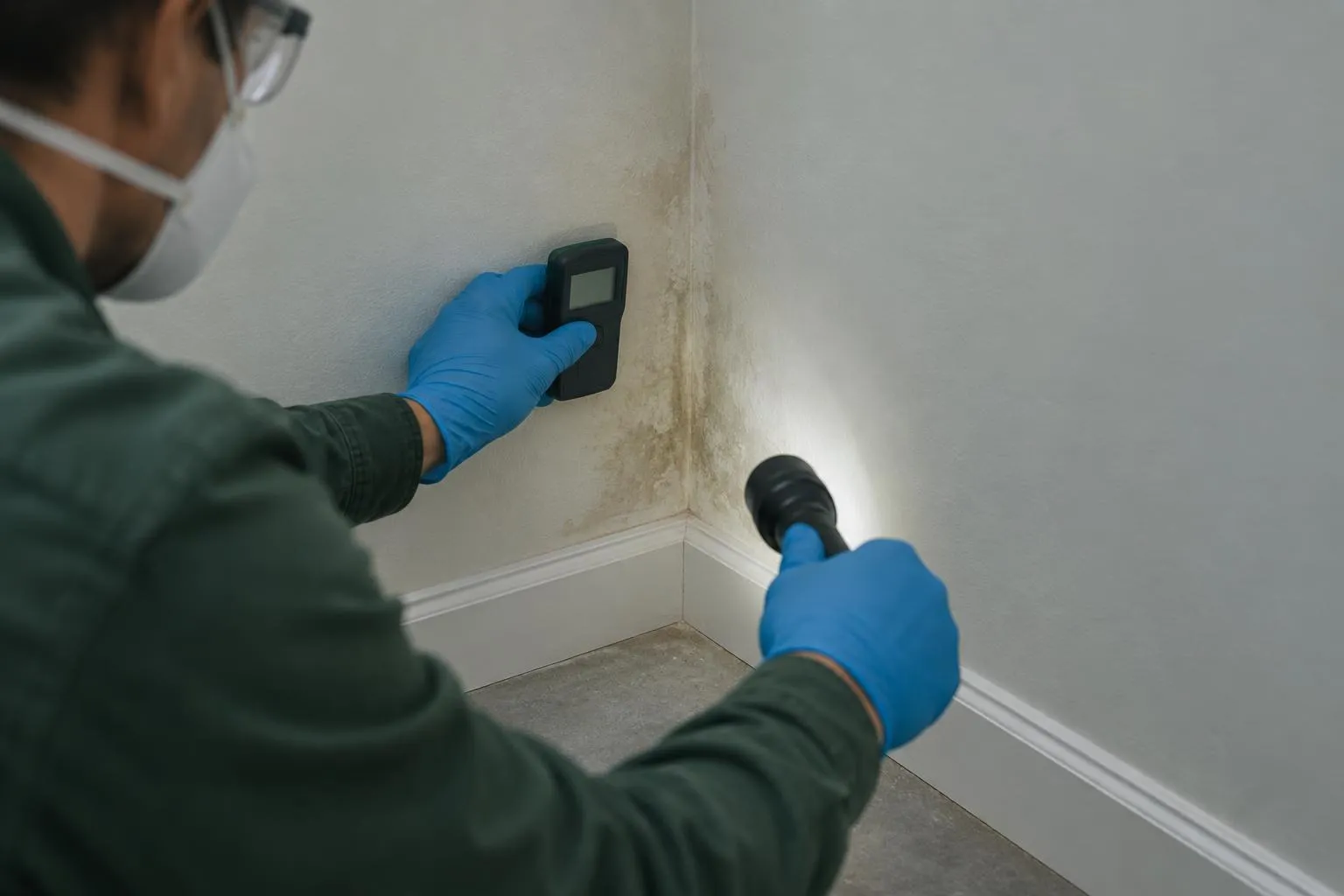
Avoid the $180k mistake: 7 red flags when hiring a mold inspector and how to spot conflicts of interest that inflate costs.
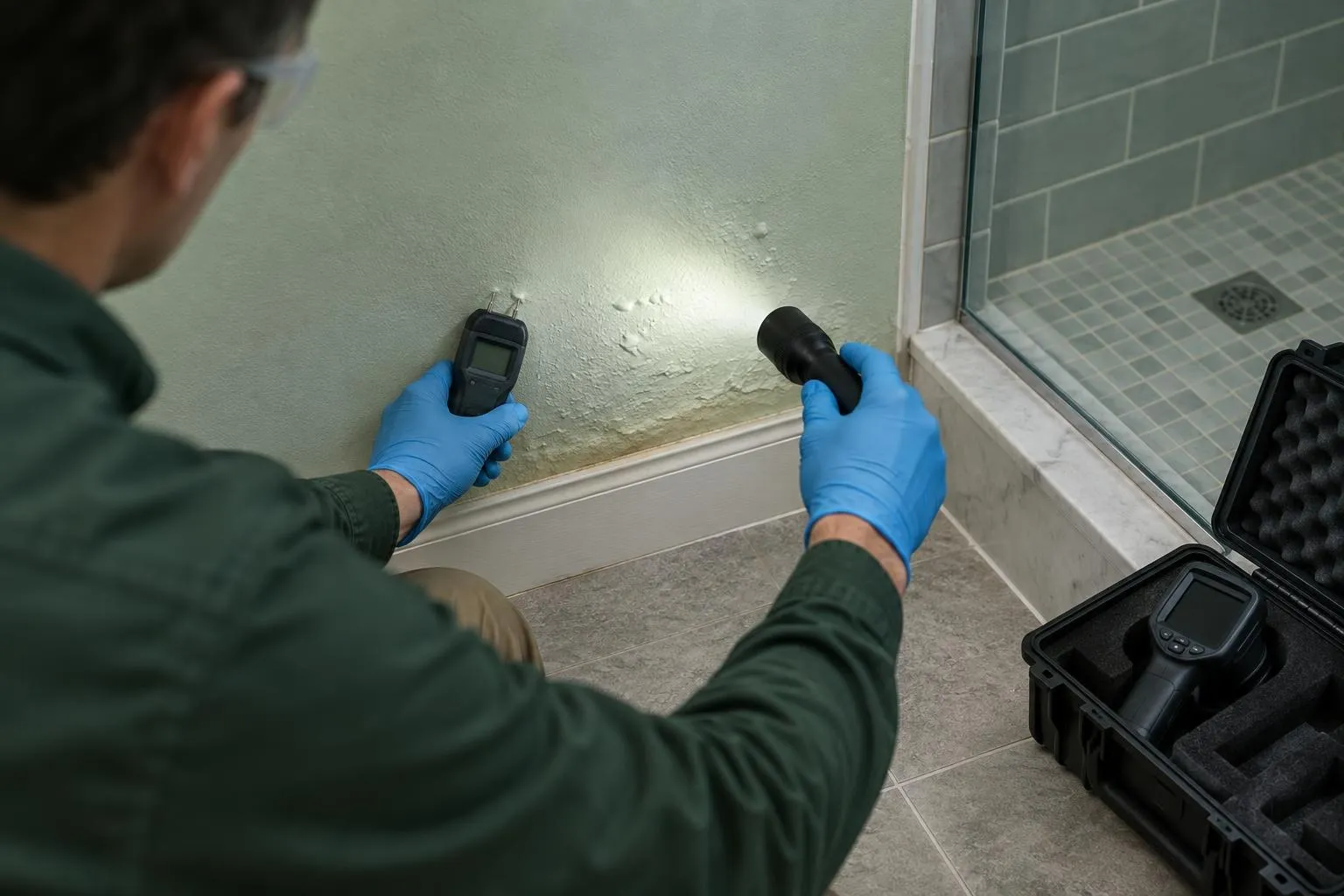
Over 50% of buildings have mold issues. A mold inspector mistake could cost thousands. See 9 critical errors that miss hidden mold—and how to avoid them.
Looking for more? Browse our full resource library or find mold inspectors in other cities.