

Office location not published
Service area: “We provide independent mold testing and indoor air quality testing across Charleston and the Lowcountry.”
Published service area ↗Compare curated mold inspectors, check certifications, read reviews, and request quotes — all in one place.
Map shows providers with a known office location. All providers are listed below.
No providers match this filter.
Providers with an office in the Charleston area, matched by the ZIP code of their published address.
Based outside the Charleston area, with Charleston named in the service area on their own website.
Office location not published
Service area: “We provide independent mold testing and indoor air quality testing across Charleston and the Lowcountry.”
Published service area ↗Also in South Carolina: Greenville / Upstate area (2), Columbia area (1)
Need help choosing? Get matched with top providers in seconds.
0 providers selected
Are you a mold inspector in Charleston? Already listed here: Carolina Mold Solutions LLC, Charleston Mold Testing, Chembion Environmental, LLC and 4 more.
List your businessView curated providers, check certifications, and read real client reviews.
Select up to 5 providers and send your project details. Free, no obligation.
Compare quotes, check availability, and book directly with the provider.
Finding a qualified mold inspector in Charleston shouldn’t feel like a background check. You’ve got a water stain on the ceiling, a musty smell in the crawlspace, or you’re three days from closing on a house and need answers — and you need someone who actually knows what they’re looking at, not a handyman with a moisture meter and a confidence problem. The directory below connects you with credentialed professionals in the Charleston area. But before you call, here’s what separates the real deal from the rest.
Look for active certifications first. CMI (Certified Mold Inspector) through IICRC or ACAC credentials (CMC, CMRS, CIEC) mean the inspector went through documented training, passed an exam, and stays current with continuing education. South Carolina doesn’t require state licensing for mold inspectors, which is both good and bad — good because it keeps barriers low, bad because literally anyone can hang a shingle. Certifications are your firewall.
Ask about their methodology. A real inspection includes visual assessment, moisture mapping (thermal imaging or moisture meters to find hidden wet spots), and — critically — air or surface sampling sent to an independent, accredited lab. If someone quotes you $300 and guarantees no mold exists without testing, they’re either lying or about to be surprised.
Get references specific to your situation. A commercial building inspection is different from a residential post-flood assessment, which is different from a pre-purchase walkthrough. Ask the inspector about three recent jobs similar to yours. If they hesitate, move on.
Pro Tip: Don’t hire based on lowest price alone. A $200 inspection that misses a colony in your HVAC system costs thousands more than a $600 inspection that catches it. Ask about lab fees upfront — they usually run $50-150 per sample and aren’t included in the inspection fee.
A standard residential inspection runs $200–$800 depending on the home’s size, complexity, and whether sampling is involved. Visual inspection alone is on the lower end; sampling and lab analysis pushes toward the higher range. Turnaround on lab results is typically 5–10 business days. You’ll get a written report identifying any mold species found, the extent, likely moisture source, and remediation recommendations — which you can then share with a contractor or remediation specialist.
Reality Check: Some inspectors quote one price and add sampling fees, lab costs, and “moisture mapping reports” separately. Ask for a total estimate in writing before they show up. Also: if an inspector also offers remediation services, there’s a built-in conflict of interest. They have incentive to overstate the problem. Stick with inspectors who inspect only.
Charleston’s humidity, coastal moisture, and older housing stock (especially in historic districts where original crawlspaces are damp by design) mean mold issues are common enough that most homebuyers and sellers have encountered them. South Carolina has no state licensure requirements for mold inspectors, so the quality spectrum is wide. Your leverage is certification and references. Real estate transactions in Charleston often contingent on inspection reports — if you’re buying, this is non-negotiable.
Browse the inspectors below, check their credentials and local reviews, and ask the hard questions before you book. A good one will answer your questions directly and set realistic expectations.
Mold Inspector services in Charleston typically run $200-800 per inspection, depending on scope, complexity, and turnaround requirements. Expedited work and specialized equipment add cost.
Look for CMI — it's the credential that separates qualified mold inspectors from the rest. Also verify insurance, check reviews, and confirm they can handle your project's specific requirements.
There are currently 7 mold inspectors listed in Charleston, SC on MoldRegistry.
Sponsored providers pay for more prominent placement on pages where they already qualify to appear. Payment does not change a provider's location, credentials or reviews, and it is not an endorsement. All providers on MoldRegistry — sponsored or not — are real businesses.
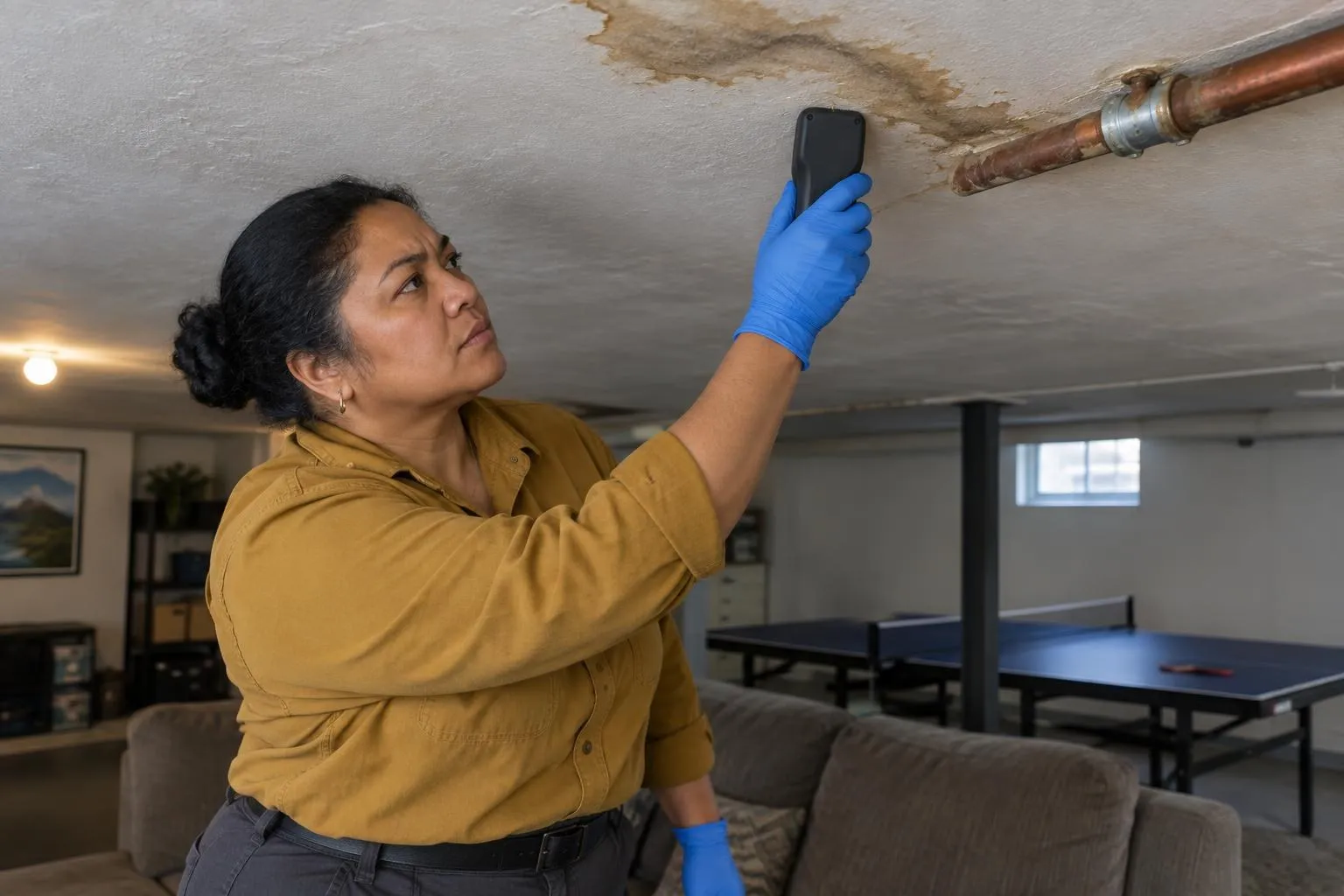
A mold inspector separates diagnosis from the sales pitch. See what they actually do, how they find hidden growth, and why it matters for your home.
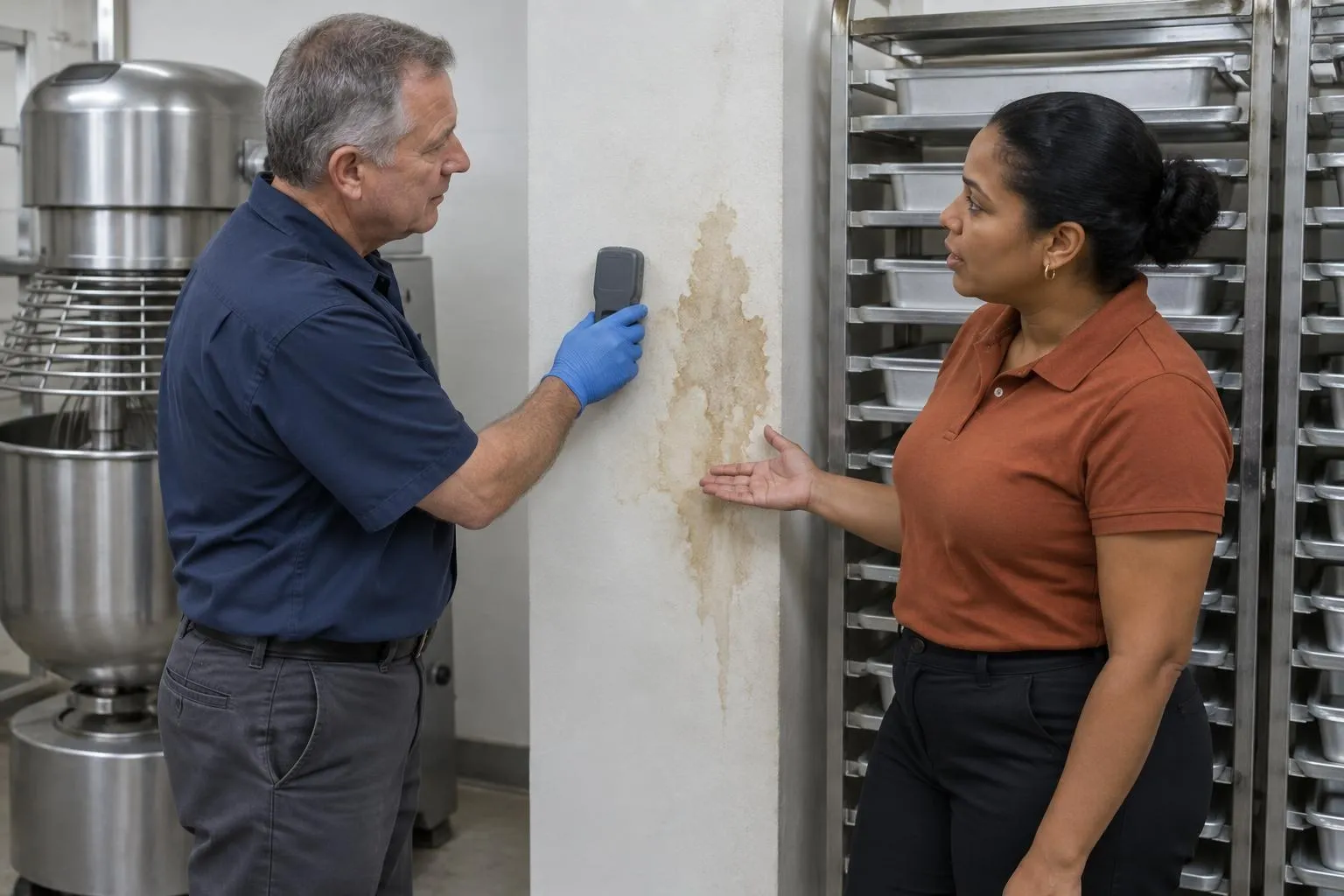
Avoid costly mold inspection mistakes. Get 15 critical questions to ask a mold inspector before hiring—protect yourself from $45k+ scams.
Find certified, independent mold inspectors: what to expect, how much to pay ($300–$700), and red flags to avoid before hiring.
Looking for more? Browse our full resource library or find mold inspectors in other cities.