

Office location not published
Service area: “Serving Southeast Wisconsin including, Kenosha, Racine, Milwaukee, Waukesha, Walworth and surrounding counties.”
Published service area ↗Compare curated mold inspectors, check certifications, read reviews, and request quotes — all in one place.
Map shows providers with a known office location. All providers are listed below.
No providers match this filter.
Providers with an office in the Milwaukee area, matched by the ZIP code of their published address.
Based outside the Milwaukee area, with Milwaukee named in the service area on their own website.
Office location not published
Service area: “Serving Southeast Wisconsin including, Kenosha, Racine, Milwaukee, Waukesha, Walworth and surrounding counties.”
Published service area ↗Office location not published
Service area: “Mold Inspections for Milwaukee Homes & Buildings”
Published service area ↗Also in Wisconsin: La Crosse area (1), Wausau area (1)
Need help choosing? Get matched with top providers in seconds.
0 providers selected
Are you a mold inspector in Milwaukee? Already listed here: Amelia's Home Inspection, Cutting Edge Property Inspections, LLC, Good Land Inspections and 5 more.
List your businessView curated providers, check certifications, and read real client reviews.
Select up to 5 providers and send your project details. Free, no obligation.
Compare quotes, check availability, and book directly with the provider.
Finding a qualified mold inspector in Milwaukee feels like it should be simple — but between unlicensed operators, labs that push expensive remediation, and inspectors who miss moisture problems hiding behind walls, it’s become a minefield. You need someone who can actually read a building, not just point a moisture meter at obvious spots and write a report. This directory connects you with credentialed professionals in the Milwaukee area who have the certifications that matter and a track record of catching what others miss.
Verify credentials first. Look for CMI (Certified Mold Inspector) or ACAC certifications — specifically CMC (Council-certified Microbial Consultant) or CMRS (Remediation Supervisor). These aren’t participation trophies. They require documented training, exams, and (in many cases) continuing education. Wisconsin doesn’t license mold inspectors at the state level, which is why credentials matter more here — they’re your only real proof someone knows what they’re doing.
Ask about the inspection scope. A real inspection includes visual assessment, moisture mapping (using thermal imaging or moisture meters to find wet spots inside walls), and air/surface sampling sent to an independent third-party lab — not one owned by the inspector or a connected remediation company. If they’re not offering sampling, they’re not doing a full assessment.
Confirm independence from remediation. This is critical. If the inspector also sells mold removal, there’s a financial incentive to find problems and recommend expensive fixes. The best inspectors are separate from remediation outfits — they write reports, not sales pitches.
Get a timeline and pricing upfront. Standard inspections run $200–$800 depending on square footage and complexity. Expect 3–7 days for lab results. If someone quotes $150 or promises 24-hour turnaround on lab work, they’re either cutting corners or misrepresenting the process.
Pro Tip: Ask if they’re registered with the IAC2 (International Association of Certified Indoor Air Consultants) or NAMRI — these are additional credibility markers and signal ongoing professional engagement beyond the baseline CMI.
An inspection typically takes 2–4 hours depending on the building’s size. The inspector will document visible mold, check moisture-prone areas (basements, crawlspaces, under sinks, around windows), and may take samples if mold is suspected or if you’re buying the property and want baseline data. You’ll get a written report identifying mold species (if found), extent of growth, probable cause (roof leak, plumbing failure, humidity), and remediation recommendations — but the inspector won’t do the cleanup themselves.
Most inspections are triggered by one of three situations: you’re purchasing a home and want pre-closing peace of mind; you’ve had water damage (burst pipe, roof leak, flood) and need to know the extent; or household members have persistent respiratory symptoms and you’re ruling out mold as a culprit.
Reality Check: Pricing varies wildly, but the cheapest inspector rarely saves money. A $250 inspection that misses moisture behind your walls costs you thousands when the problem spreads. Budget mid-range and prioritize credentials and independence over lowest-bid convenience.
Milwaukee’s older housing stock — many homes built pre-1980 — means foundation moisture, aging roof flashings, and deferred maintenance create a steady baseline of mold risk. The city’s winters and spring snowmelt add seasonal water intrusion pressure. Wisconsin law requires mold disclosure during real estate transactions if known, which makes pre-purchase inspections especially common. You’re not being paranoid if you hire an inspector; you’re following the script that actually protects you.
Use this directory to find inspectors who have Milwaukee-area experience and understand the specific vulnerabilities of the region’s building types.
Mold Inspector services in Milwaukee typically run $200-800 per inspection, depending on scope, complexity, and turnaround requirements. Expedited work and specialized equipment add cost.
Look for CMI — it's the credential that separates qualified mold inspectors from the rest. Also verify insurance, check reviews, and confirm they can handle your project's specific requirements.
There are currently 8 mold inspectors listed in Milwaukee, WI on MoldRegistry.
Sponsored providers pay for more prominent placement on pages where they already qualify to appear. Payment does not change a provider's location, credentials or reviews, and it is not an endorsement. All providers on MoldRegistry — sponsored or not — are real businesses.
mold inspector costs $300–$700 on average. See exactly what affects pricing, why quotes vary wildly, and how to avoid overpaying.
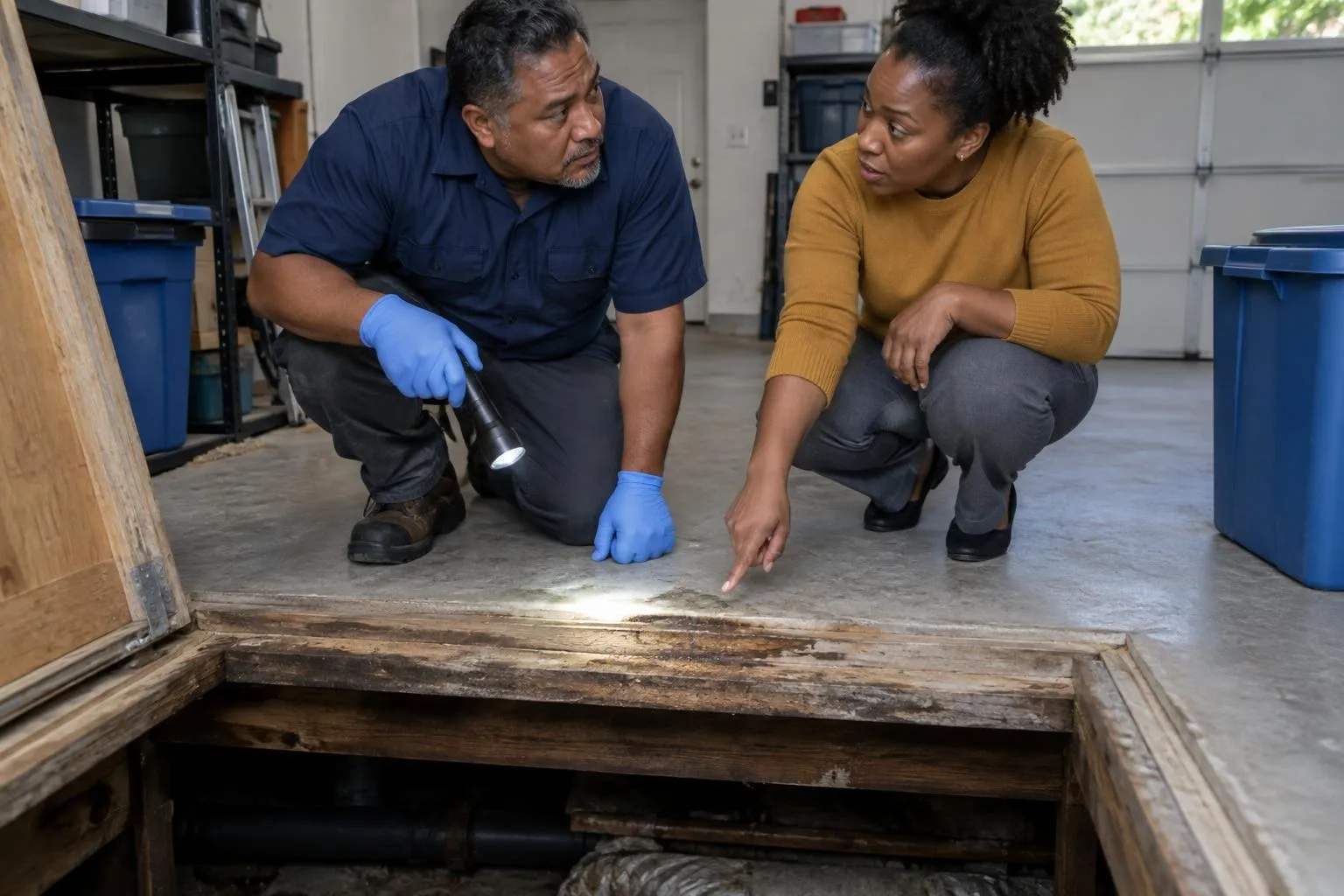
Prepare for your mold inspector visit with this homeowner's checklist to catch problems pros might miss and cut inspection time in half.
AI won't replace mold inspectors—it will transform the job. See how inspectors are adapting to tools that boost accuracy to 99.86%.
Looking for more? Browse our full resource library or find mold inspectors in other cities.