

Office location not published
Service area: “Call for mold inspection services in Solon, Lakewood and Cleveland, Ohio and the surrounding area.”
Published service area ↗Compare curated mold inspectors, check certifications, read reviews, and request quotes — all in one place.
Map shows providers with a known office location. All providers are listed below.
No providers match this filter.
Providers with an office in the Cleveland area, matched by the ZIP code of their published address.
Based outside the Cleveland area, with Cleveland named in the service area on their own website.
Office location not published
Service area: “Call for mold inspection services in Solon, Lakewood and Cleveland, Ohio and the surrounding area.”
Published service area ↗Office location not published
Service area: “Serving Cleveland OH • Mold Removal • Mold Remediation • Mold Abatement • Black Mold • Mold Testing • Mold Inspection”
Published service area ↗Office location not published
Service area: “homeowners, homebuyers, sellers, and property owners throughout Cleveland and Northeast Ohio”
Published service area ↗Also in Ohio: Akron / Canton area (2), Cincinnati area (2), Dayton / Springfield area (2), Sandusky area (1), Tuscarawas Co area (1)
Need help choosing? Get matched with top providers in seconds.
0 providers selected
Are you a mold inspector in Cleveland? Already listed here: Cleveland Department of Public Health, Dutch's Mold Inspection & Remediation Services, Dutch's Mold Inspections, LLC and 9 more.
List your businessView curated providers, check certifications, and read real client reviews.
Select up to 5 providers and send your project details. Free, no obligation.
Compare quotes, check availability, and book directly with the provider.
Hiring a mold inspector in Cleveland shouldn’t feel like a gamble. You’ve either noticed something in your home that worries you—a water stain, a musty smell, a family member’s persistent cough—or you’re in closing on a house and want confirmation that what the seller’s contractor missed isn’t going to cost you $15,000 in remediation. Either way, you need someone who knows their credentials from their marketing nonsense, shows up with actual equipment, and doesn’t inflate findings to justify follow-up work. This directory is here so you don’t waste time talking to someone who got their training from a weekend course.
Look for current, relevant certifications. A CMI (Certified Mold Inspector) from the IICRC or an ACAC CMC (Council-certified Microbial Consultant) means someone sat for an exam and stayed current with continuing education. These aren’t mandatory in Ohio, which is exactly why you should prioritize them. If an inspector can’t name their credential within the first conversation, move on.
Ask about their equipment and process. A real inspection includes moisture mapping (thermal imaging or moisture meters to find wet spots you can’t see), visual documentation, and—depending on findings—air or surface sampling sent to an accredited third-party lab. If they’re quoting you an inspection price without any talk of sampling, they’re either only doing a walk-through or they plan to upsell you hard once they find something.
Check references specific to your situation. If you’re inspecting a 1970s colonial in Shaker Heights with a history of foundation leaks, ask for references from other colonials with similar issues in the area. A good inspector will have Cleveland-specific case studies ready. If they hesitate or offer only generic testimonials, that’s a flag.
Verify they’re not also the remediation company. This is the oldest conflict of interest in the business. An inspector with financial incentive to find mold (because they profit from fixing it) is not an objective source. Stick with inspectors who report findings only—remediation is a separate hire.
Pro Tip: Ask directly if they’ve worked with your home’s era and neighborhood. Cleveland’s housing stock runs from Victorian mansions to mid-century ranch homes to post-war multifamilies, and moisture problems vary wildly by building type and location. An inspector who knows your block’s specific drainage and foundation quirks is worth the call.
A standard mold inspection in Cleveland runs $200–$800 depending on home size, complexity, and whether sampling is included. Visual inspection plus moisture mapping typically lands in the $300–$500 range. If the inspector recommends lab testing (culture, spore counts, species identification), expect an additional $150–$400 for sampling and lab fees—those tests take 5–7 business days to come back.
Turnaround on a written report is usually 3–5 business days. A thorough report identifies the species present (if sampled), the extent and location, the likely cause (roof leak, plumbing breach, condensation), and remediation protocols—not a remediation bid, just what needs to happen.
Reality Check: If an inspector quotes you $150 flat and promises results the same day, they’re cutting corners. Real analysis takes time and lab work costs money. A suspiciously cheap quote often means they’re hoping you’ll panic and hire their in-house remediation crew at inflated rates.
Cleveland’s older housing stock—much of it built before modern moisture barriers and ventilation standards—makes mold inspections a routine part of home transactions and post-water-damage assessment. The Ohio Department of Health doesn’t license mold inspectors, so credential verification is entirely on you. Stick with someone whose name and certification number you can look up independently.
Use this directory to find inspectors who pass the credential check and have Cleveland market experience. Call at least two. Ask the same questions. You’ll know fast which one actually knows the local building science.
Mold Inspector services in Cleveland typically run $200-800 per inspection, depending on scope, complexity, and turnaround requirements. Expedited work and specialized equipment add cost.
Look for CMI — it's the credential that separates qualified mold inspectors from the rest. Also verify insurance, check reviews, and confirm they can handle your project's specific requirements.
There are currently 12 mold inspectors listed in Cleveland, OH on MoldRegistry.
Sponsored providers pay for more prominent placement on pages where they already qualify to appear. Payment does not change a provider's location, credentials or reviews, and it is not an endorsement. All providers on MoldRegistry — sponsored or not — are real businesses.
Find certified, independent mold inspectors: what to expect, how much to pay ($300–$700), and red flags to avoid before hiring.
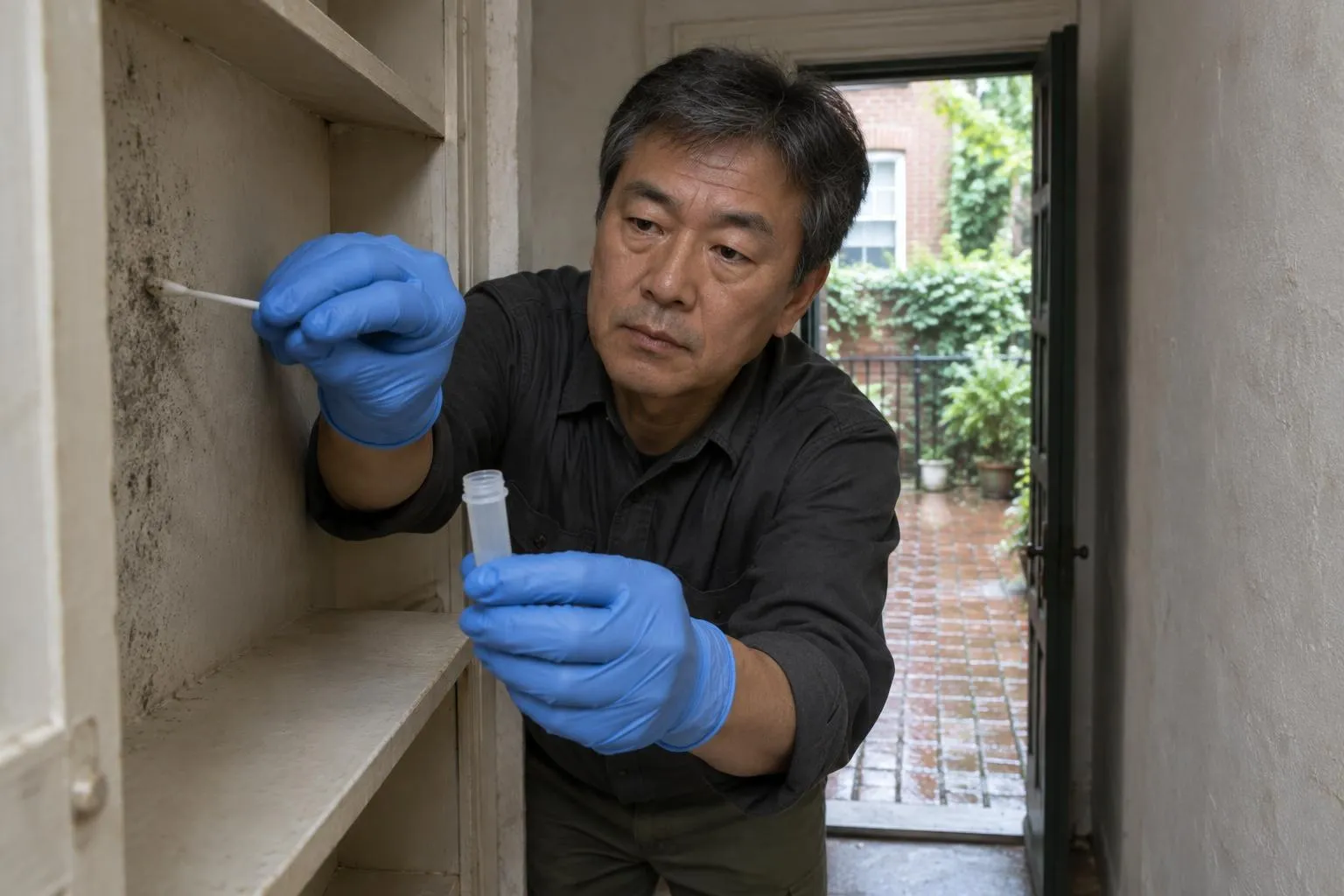
Mold inspector costs range from $150–$3,000+ depending on your state and home size. See what you'll actually pay by location.
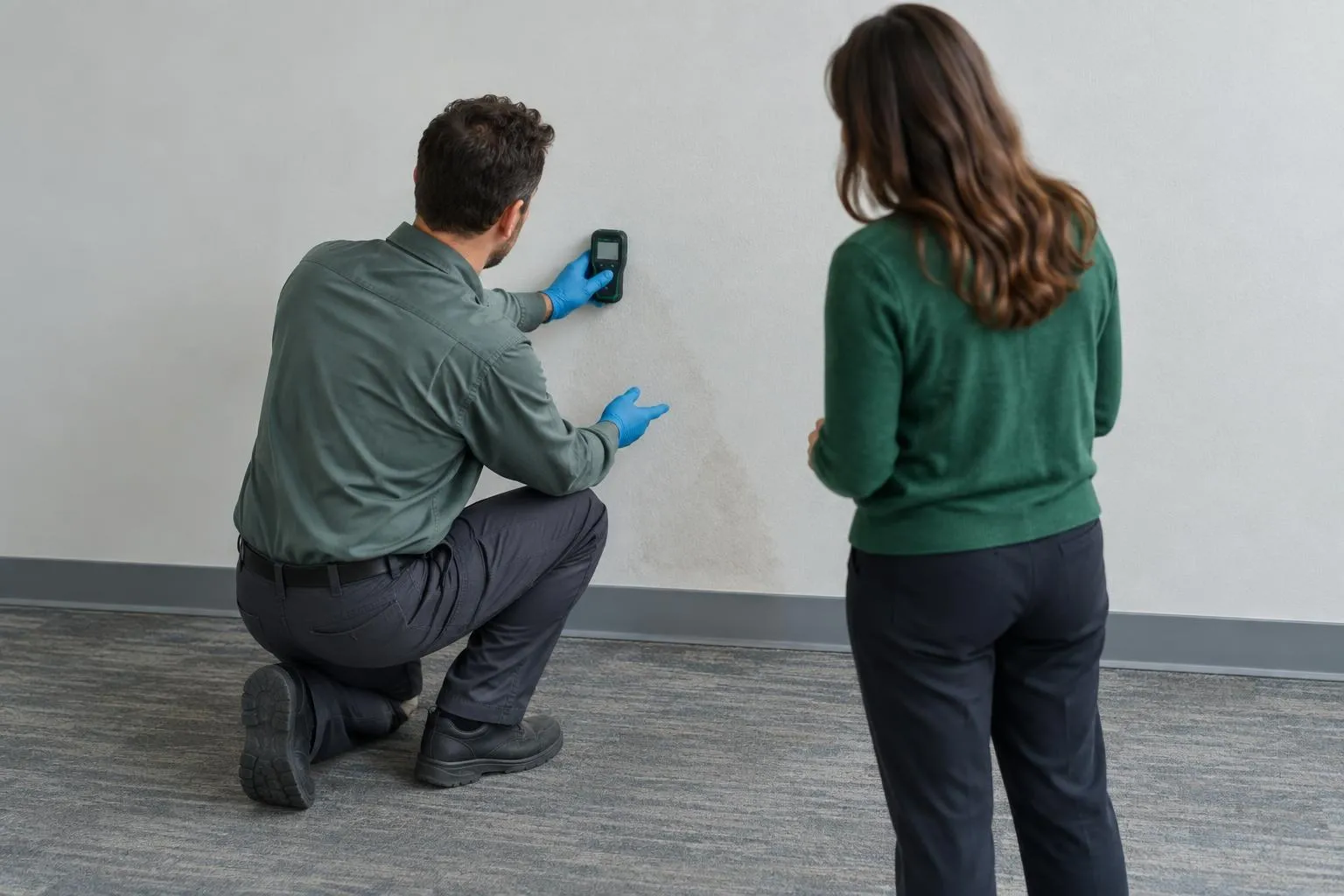
Most states don't license mold inspectors. Learn what separates qualified experts from weekend-certified amateurs before hiring.
Looking for more? Browse our full resource library or find mold inspectors in other cities.