

Office location not published
Service area: “Serving Boston, South Shore MA, and surrounding areas”
Published service area ↗Compare curated mold inspectors, check certifications, read reviews, and request quotes — all in one place.
Map shows providers with a known office location. All providers are listed below.
No providers match this filter.
Providers with an office in the Boston area, matched by the ZIP code of their published address.
Based outside the Boston area, with Boston named in the service area on their own website.
Office location not published
Service area: “Serving Boston, South Shore MA, and surrounding areas”
Published service area ↗Office location not published
Service area: “Mold Dog of Massachusetts provides professional mold inspection services for homes and businesses across Boston, MA.”
Published service area ↗Also in Massachusetts: Cape Cod / Islands area (1), South Coast area (1), Worcester / Central MA area (1)
Need help choosing? Get matched with top providers in seconds.
0 providers selected
Are you a mold inspector in Boston? Already listed here: Alpine Environmental Inc., Aspen Environmental, Cashins & Associates, Inc. and 10 more.
List your businessView curated providers, check certifications, and read real client reviews.
Select up to 5 providers and send your project details. Free, no obligation.
Compare quotes, check availability, and book directly with the provider.
Finding a qualified mold inspector in Boston shouldn’t feel like solving a crime. Yet homeowners call around, get vague callbacks, and somehow end up hiring someone who shows up with a flashlight and a clipboard—no lab testing, no credentials, no real answers. Then the report lands in your inbox and you’re staring at jargon you can’t verify. This directory cuts through that. Below are vetted mold inspectors across Boston who hold real credentials (CMI, ACAC certifications, IAC2), run actual sampling protocols, and send results to third-party labs so you know what you’re dealing with.
Look for active, current certifications. CMI (Certified Mold Inspector) and ACAC CMC (Council-certified Microbial Consultant) aren’t decorative. They require documented training, continuing education, and liability insurance. If someone won’t email you a copy of their cert, keep scrolling. Massachusetts doesn’t license mold inspectors at the state level, which means credentials matter more than they should—but they do.
Ask if they do moisture mapping and lab testing. A visual inspection alone tells you nothing. Real inspectors use moisture meters, thermal imaging, and pull air/surface samples that get analyzed by a certified lab. If they quote you $300 flat-rate and promise answers in an hour, they’re not actually inspecting—they’re guessing. Expect $200–800 depending on home size and scope; labs add 5–7 business days for results.
Check the timeline against your closing date. If you’re buying a home in Boston and your inspection contingency closes in 10 days, you need someone who can turnaround within 48 hours. Not all inspectors move that fast. Confirm upfront.
Ask about the remediation connection. A good inspector should diagnose the problem and recommend a protocol—but should not be the same company doing the cleanup. That’s a conflict of interest. If they own a remediation arm, they have incentive to find more mold than is actually there. Ask how they handle that separation.
Pro Tip: Boston’s older housing stock (many pre-1950s buildings with plaster, uninsulated basements, and sketchy ventilation) is mold-friendly. If you’re buying anywhere from Beacon Hill to Jamaica Plain, water intrusion history matters more than the current inspection alone. Ask your inspector to specifically assess basement moisture and roof/gutter condition—those are your early-warning systems.
A typical mold inspection runs 2–4 hours for a standard single-family home. The inspector will walk the property, note visible discoloration or water stains, check humidity levels and moisture content in suspect areas, photograph everything, and pull samples from anywhere that looks questionable. Those samples go to a lab; you’ll get results within a week. The final report should name the mold species present (or absence thereof), quantify the extent, explain the likely source (roof leak, plumbing, HVAC condensation, basement seepage), and recommend next steps—which might be “hire a contractor” or “improve ventilation” or “nothing urgent.”
Reality Check: Price variation is real. A $250 inspection often means visual only, no sampling. A $600+ inspection usually includes moisture mapping and lab work. Don’t assume cheaper = bad or expensive = thorough. Ask what’s included before you book. Many inspectors also offer air quality testing (measuring particulates, CO2, humidity) or mold remediation verification—those are add-ons, not standard.
Boston’s building inspector network is tight and competitive. Most major inspectors here also serve Cambridge, Brookline, and the inner suburbs. Water intrusion claims spike after nor’easters and spring thaw, so book early if you’re buying in March or April. The city’s older housing stock means most properties have some mold history—the question isn’t whether to inspect, it’s whether what you find is a dealbreaker or a maintenance item.
Mold Inspector services in Boston typically run $200-800 per inspection, depending on scope, complexity, and turnaround requirements. Expedited work and specialized equipment add cost.
Look for CMI — it's the credential that separates qualified mold inspectors from the rest. Also verify insurance, check reviews, and confirm they can handle your project's specific requirements.
There are currently 13 mold inspectors listed in Boston, MA on MoldRegistry.
Sponsored providers pay for more prominent placement on pages where they already qualify to appear. Payment does not change a provider's location, credentials or reviews, and it is not an endorsement. All providers on MoldRegistry — sponsored or not — are real businesses.
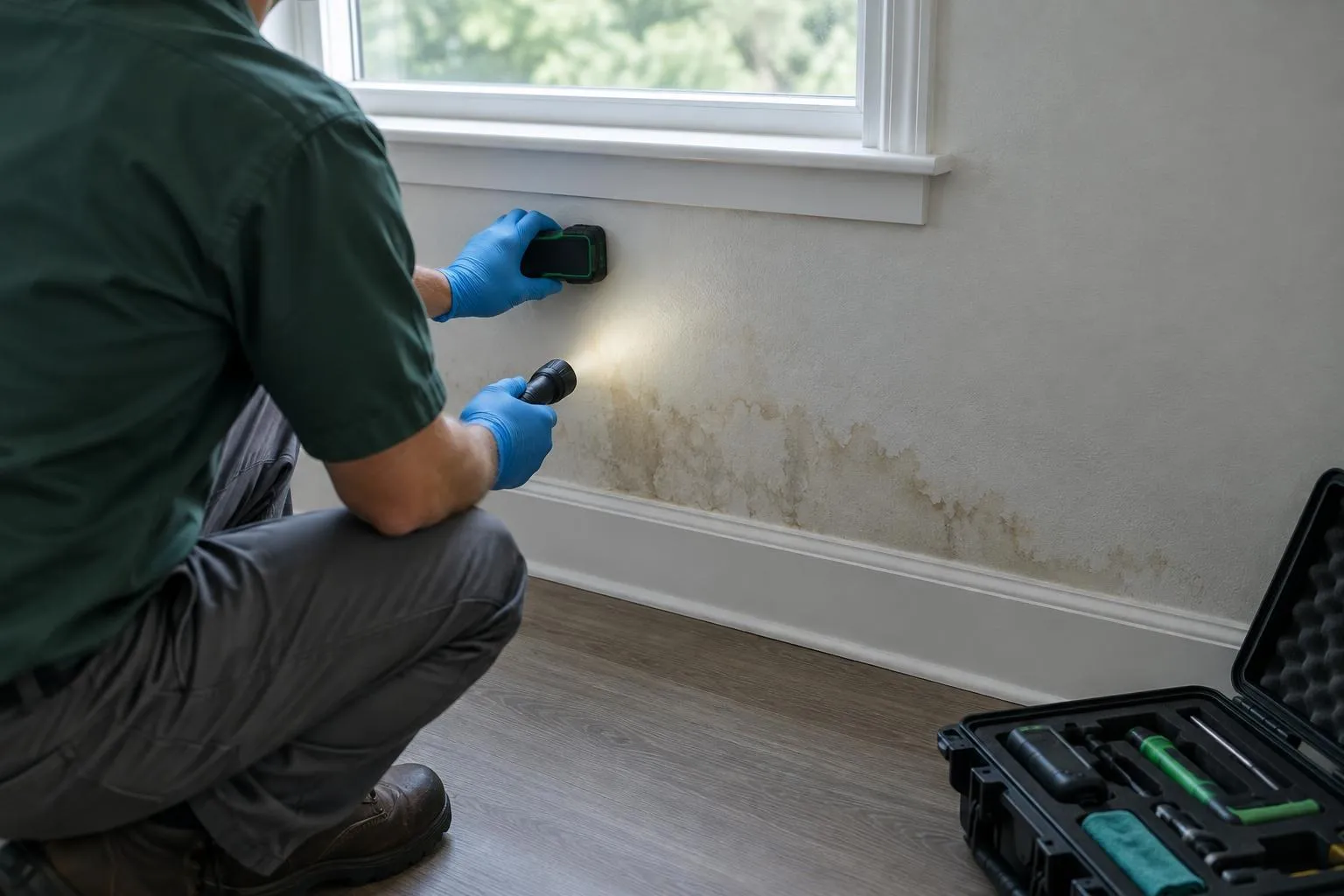
Hiring a freelance mold inspector saves thousands by avoiding inflated assessments. Learn why independence matters more than convenience.
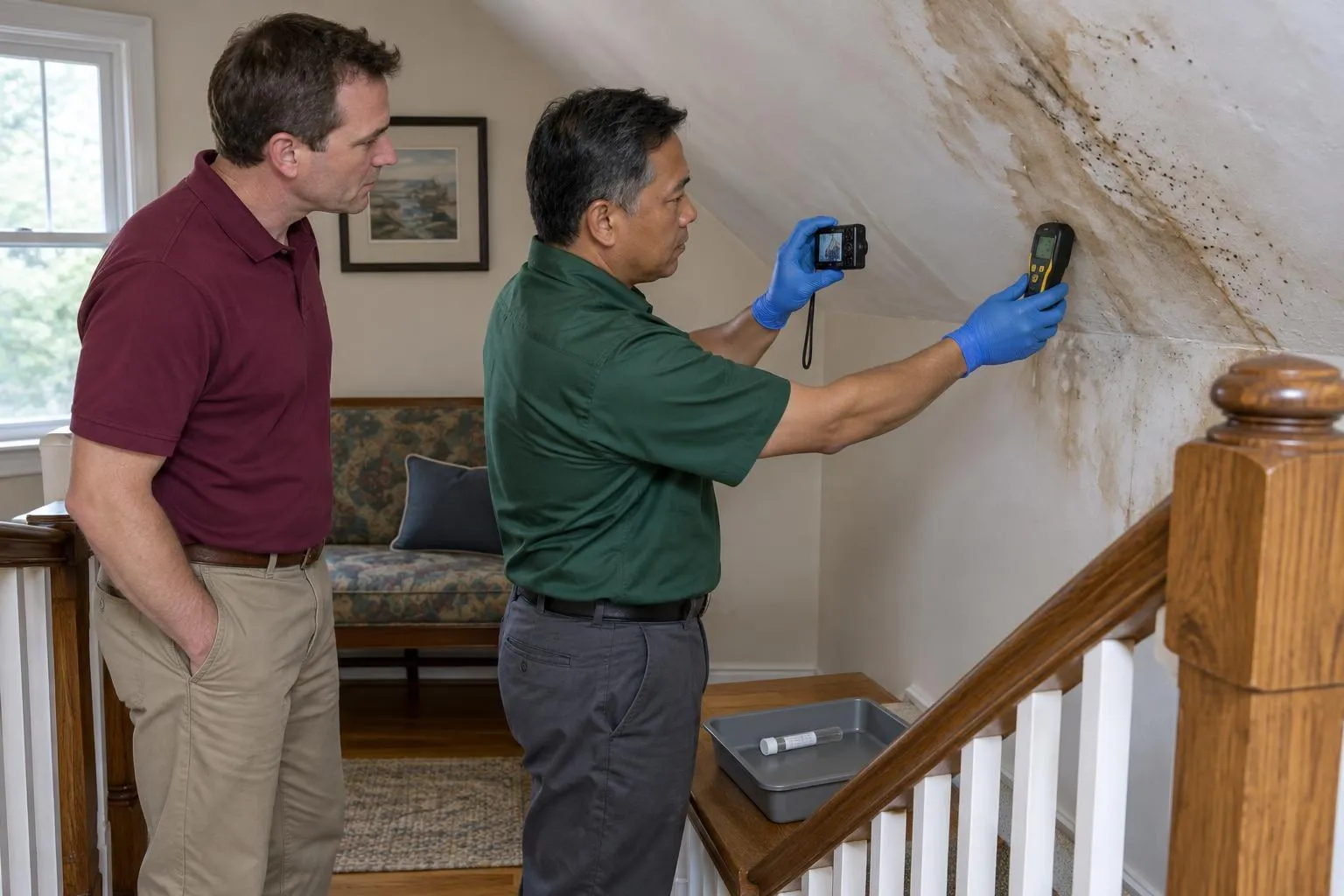
Your mold inspector's report needs visual proof, moisture readings, and lab results—here's exactly what to demand on a quality checklist.
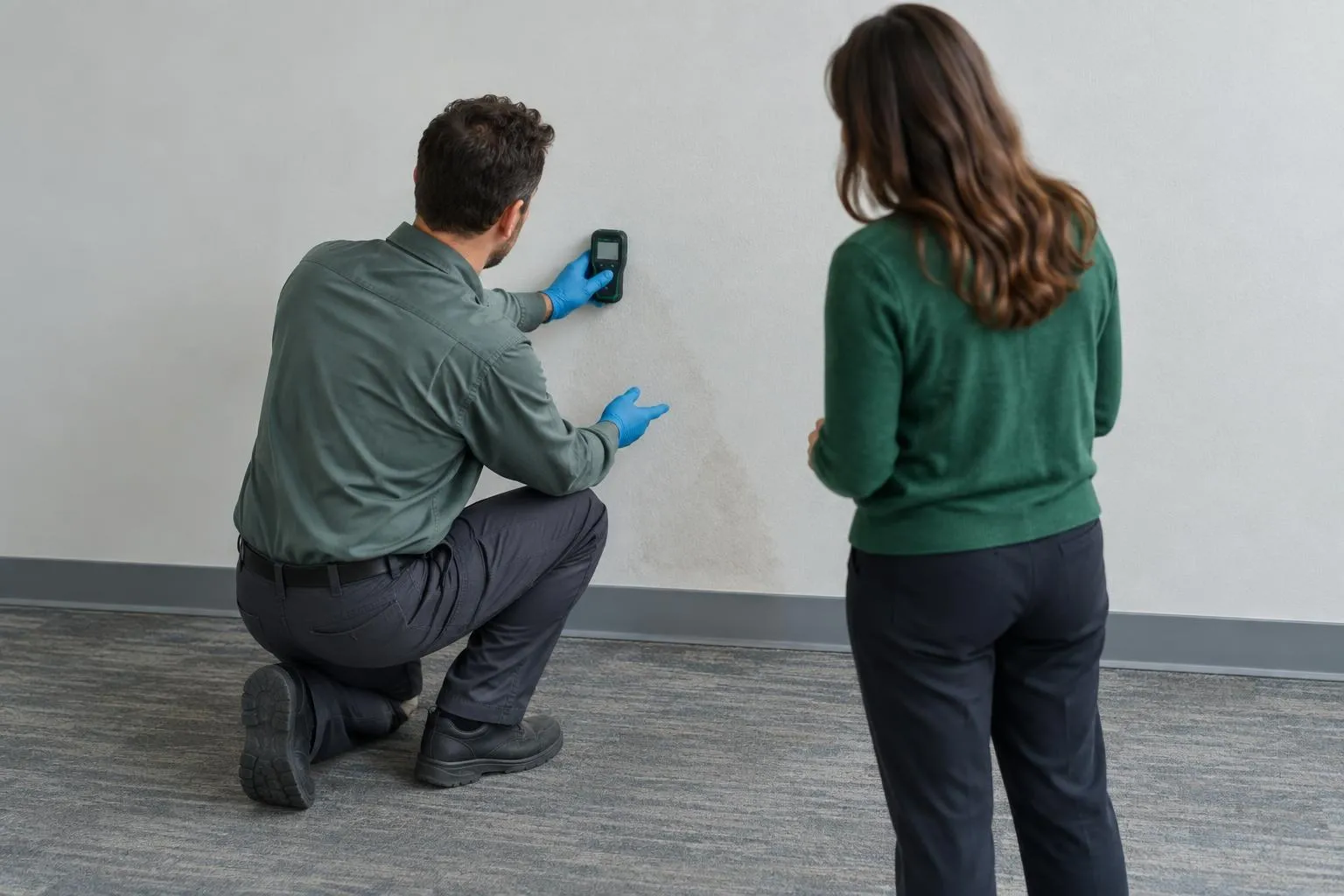
Most states don't license mold inspectors. Learn what separates qualified experts from weekend-certified amateurs before hiring.
Looking for more? Browse our full resource library or find mold inspectors in other cities.