Get free quotes from mold inspection near you
Takes about a minute. Free, no obligation; providers reply to you directly.
You’re sitting in a coffee shop with a contractor who just handed you a business card—one side says “Mold Inspector,” the other says “Mold Remediation Specialist.” Red flag, but you don’t know why yet. He promises to check your walls for hidden growth, find exactly what needs fixing, and have his team handle it next week. One company. One invoice. Problem solved, right?
Wrong.
By the time you realize the assessment was inflated, the unnecessary work was already done, and you’ve paid three times what you should have, it’s too late. This is the conflict of interest nobody warns you about—and it’s the exact reason the mold inspection world splits into two camps: freelance inspectors and agencies.
Here’s the difference, and why it matters more than you think.
The Short Version
Hire a freelance or independent mold inspector every time—never the same company doing both inspection and remediation. Independent inspectors have zero incentive to overstate problems; agencies offering both services profit from exaggerated findings. Freelancers cost more upfront but save you thousands by preventing unnecessary work and inflated bids. If budget is tight, get an independent assessment first, then collect remediation quotes.
Key Takeaways
- Independence is the only thing that matters. A freelancer with no remediation arm gives you an honest report; an agency doing both will unconsciously (or deliberately) recommend more work than needed.
- Conflict of interest isn’t conspiracy—it’s incentive. The moment a company profits from fixing what they found, their objectivity evaporates.
- Cost now vs. cost later. Professionals seem expensive upfront; DIY or sketchy inspectors seem cheap until the mold comes back or you overpay for unnecessary remediation.
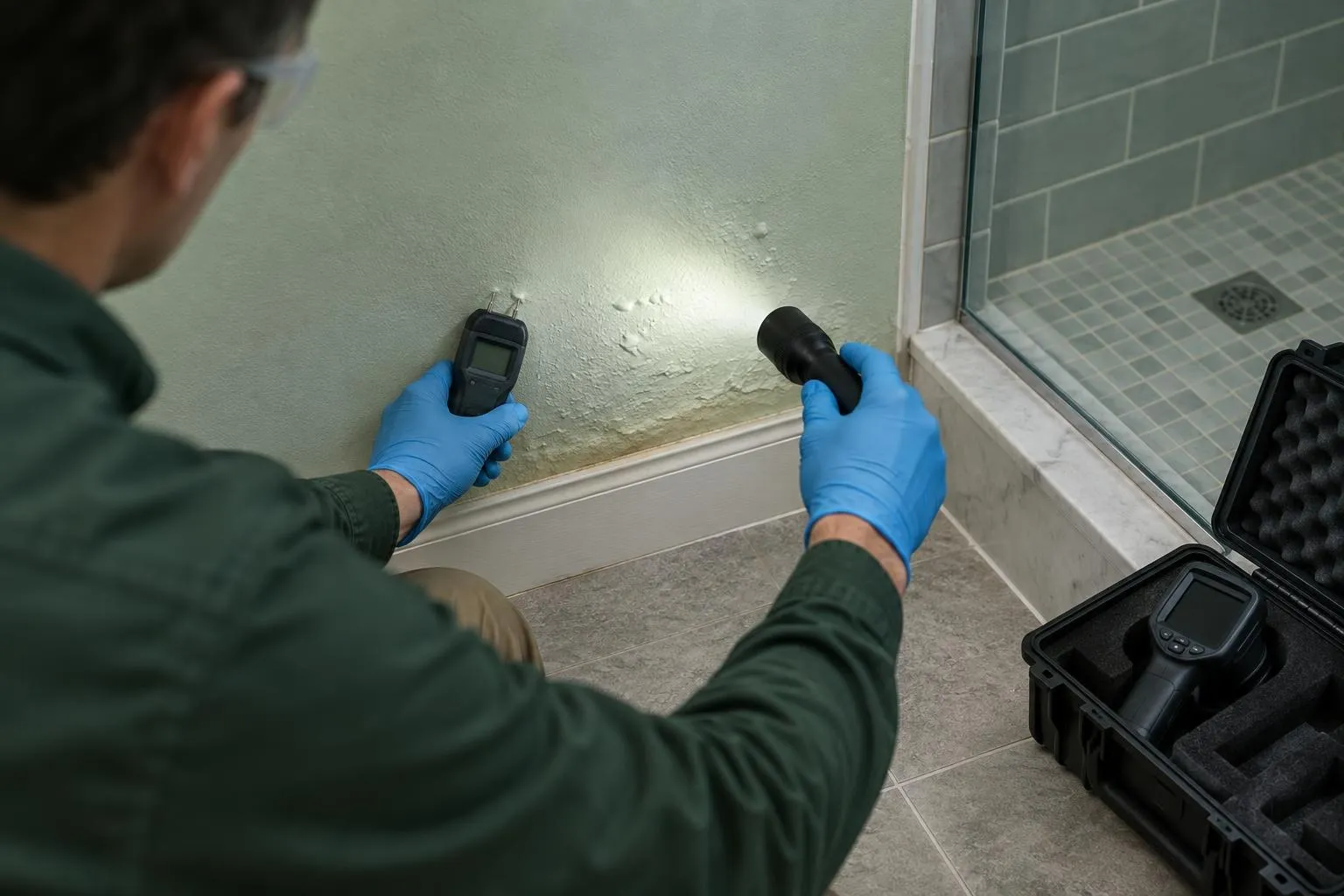
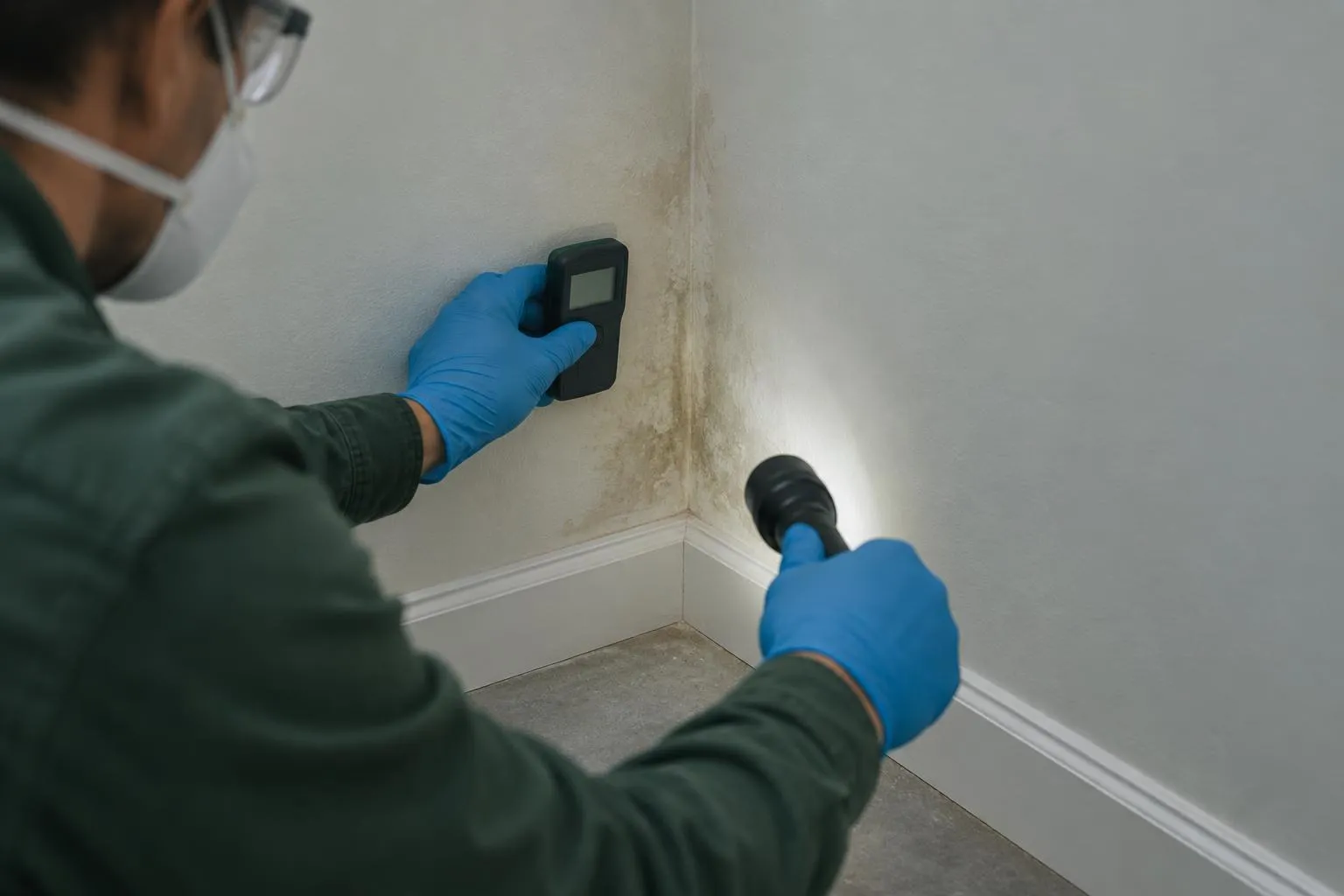
- Specialized tools beat gut feel. Infrared cameras, air sampling, and surface testing catch hidden growth in walls and HVAC systems; visual inspection alone misses 80% of the problem.
Freelance vs. Agency: The Real Difference
Let me be honest: the mold inspection industry doesn’t publish hard numbers comparing freelance inspectors to agencies. But the pattern is unmistakable once you look at how incentives work.
Freelance (independent) inspectors make money one way: writing accurate reports. They don’t remediate. They don’t install equipment. They don’t have crews waiting in the wings. Their only product is the truth about your mold problem. If they overstate it, you call back angry. If they understate it, the mold comes back and they lose credibility. Reputation is their only business model.
Agency firms offering both inspection and remediation have a different incentive entirely. They’re not trying to fool you on purpose—incentives are subtler than that. But when the same company profits from finding problems and fixing them, objectivity becomes negotiable. A small assessment gets reframed as “extensive.” A containable situation becomes “major remediation required.” A $2,000 job turns into $6,000.
The best agencies know this is poison and deliberately separate their inspection and remediation teams—or hire independent third-party assessors before any work begins. The sketchy ones don’t.
The Conflict of Interest Isn’t Theory—It’s Money
Here’s a real-world pattern from the research: reputable remediation firms require independent third-party assessments before starting work. Why? Because they know clients trust unbiased reports more than self-interested estimates. That requirement exists precisely because conflict of interest is a known problem in the industry.
Reality Check:If an agency offers “free inspection with remediation estimate,” they’re not giving you a free assessment—they’re selling you a remediation job disguised as an inspection. You haven’t paid, so you won’t push back on inflated findings.
The financial impact is staggering. Clients who get independent inspections first, then collect separate remediation bids, routinely report saving “thousands” by avoiding unnecessary work. That’s not accident. That’s the difference between honest assessment and incentivized upselling.
Freelance vs. Agency: Head-to-Head
| Factor | Freelance / Independent | Agency (Combined Services) |
|---|---|---|
| Objectivity | High—no remediation profit motive | Low—profit from fixes they recommend |
| Report Bias | Unbiased findings, no upsells | Risk of overstated problems |
| Tools & Training | Specialized (infrared, air sampling, surface testing) | Varies; quality depends on role separation |
| Output Quality | Detailed, defensible reports for insurance/legal use | Reports may prioritize remediation sales |
| Scheduling | Sometimes longer waits (high demand) | Usually faster (they control the pipeline) |
| Price | Higher per inspection; saves on unnecessary remediation | Lower inspection cost; inflated remediation costs offset savings |
When Freelance Makes Sense (Hint: Almost Always)
You need a freelance or independent inspector when:
-
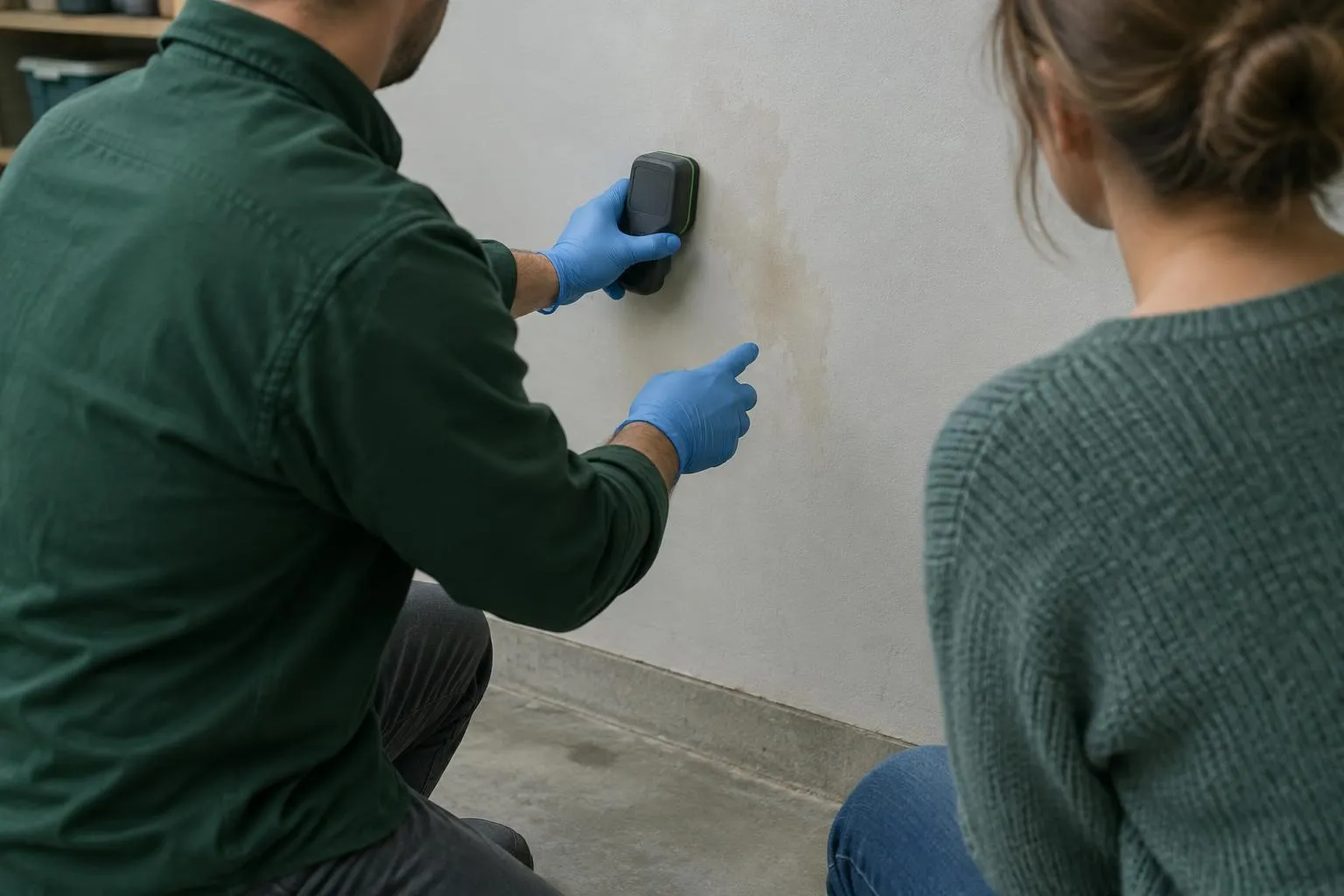
You’re buying a home and want an honest assessment before closing. The inspection is for you, not the remediation company. You need someone who walks away once the report is done.
-
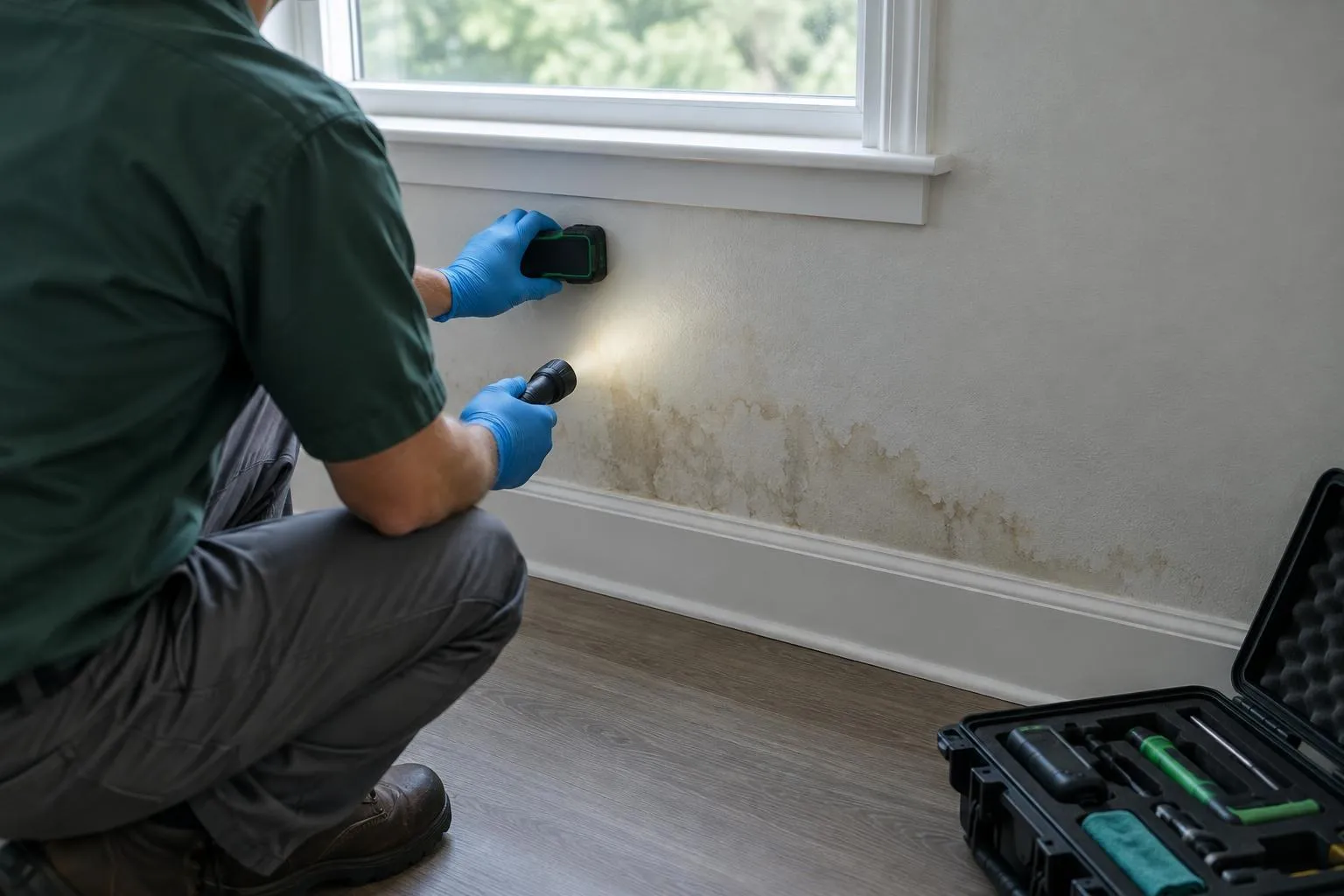
You’ve had water intrusion (leak, flood, roof damage) and need to know the actual scope. Moisture drives mold. A freelancer will map where moisture is hiding and tell you what actually needs fixing—not what’s most profitable to fix.
-
You’re dealing with a health concern (respiratory symptoms, persistent odors) and need to know if mold is the cause. You need data, not sales pressure.
-
You’re getting competing remediation quotes and need a neutral baseline. Independent assessment sets the standard; then contractors bid against it fairly.
-
You have insurance or legal involvement. Courts and insurers trust independent reports far more than self-interested ones.
When Agencies Make Sense
Agencies offering both services can work if:
-
They physically separate inspection and remediation teams so the inspector has no financial stake in the remediation outcome.
-
They use certified third-party labs for air and surface sampling, not in-house testing.
-
They publish pricing transparently with itemized estimates before work begins.
-
They require an independent pre-remediation protocol and post-remediation clearance testing by someone outside the company.
Realistically? This is rare. Most agencies offering both services are cutting corners on independence somewhere.
The Hidden Cost of Cheap or DIY
Nobody tells you this: a visual inspection alone catches maybe 20% of mold problems. The rest lives in wall cavities, under flooring, and inside HVAC ducts—invisible until a professional with an infrared camera and air sampling equipment looks for it.
DIY options seem cheap until:
- You miss hidden growth and the problem spreads.
- You misidentify what you’re looking at (not all dark spots are mold).
- You disturb spores during cleanup and spread contamination.
- You don’t address the moisture source, so mold comes back within months.
Pro Tip:If budget is genuinely tight, use DIY as a presence check only (“Is there visible mold?”), then hire a professional for sampling and root cause analysis. This splits the cost and still gives you accurate data.
Red Flags to Watch For
- Company offers “free mold inspection with remediation quote”—you’re not getting a free assessment; you’re getting a sales pitch.
- Same company does inspection and remediation with no third-party involvement.
- Pressure to start work immediately (“mold spreads fast, we need to go now”).
- Unwillingness to provide references from customers who chose not to remediate after inspection.
- No mention of addressing the moisture source—just removing visible mold.
What Good Freelancers and Honest Agencies Do
The best independent inspectors:
- Use specialized equipment (infrared, air quality testing, surface sampling).
- Send samples to third-party labs, not in-house testing.
- Generate detailed reports with photographic evidence and species identification.
- Identify the moisture source driving growth—not just the mold.
- Recommend remediation protocols without bias toward cost or complexity.
- Refuse to do remediation work themselves.
Honest agencies do most of the above but also:
- Hire independent inspectors before their remediation team takes over.
- Publish pricing upfront; itemize every cost.
- Welcome competitive bids from other contractors.
- Provide post-remediation clearance testing by third parties.
Practical Bottom Line
Here’s the action sequence:
-
Get an independent inspection first. Not from a company that also remediates. Period.
-
Demand certified credentials (CMI, ACAC CMC/CMRS) and full-time specialization—not a handyman who does mold on the side.
-
Collect remediation bids separately. The independent report is your baseline. Let contractors compete fairly based on honest findings.
-
Address the moisture source. Mold removal without fixing the leak is just expensive temp work.
-
Verify post-remediation clearance with testing from someone outside the remediation company.
This costs more upfront. It saves thousands by preventing unnecessary work.
Learn More
For a deeper dive into how to evaluate any mold inspector—freelance or agency—see our complete guide to mold inspectors. And if you’re dealing with water damage specifically, we’ve got a dedicated breakdown on water damage and mold assessment that walks through the timeline and what to expect.
The short version: independence isn’t a luxury. It’s the only way to trust the data you’re paying for.
Done reading? Get quotes from mold inspectors near you.
Takes about a minute. Free, no obligation; providers reply to you directly.
Popular cities:
Nick built this directory to help homeowners find credentialed mold inspectors without wading through contractors who mostly want to sell remediation — a conflict of interest he ran into when trying to assess his own home after a plumbing leak.