Get free quotes from mold inspection near you
Takes about a minute. Free, no obligation; providers reply to you directly.
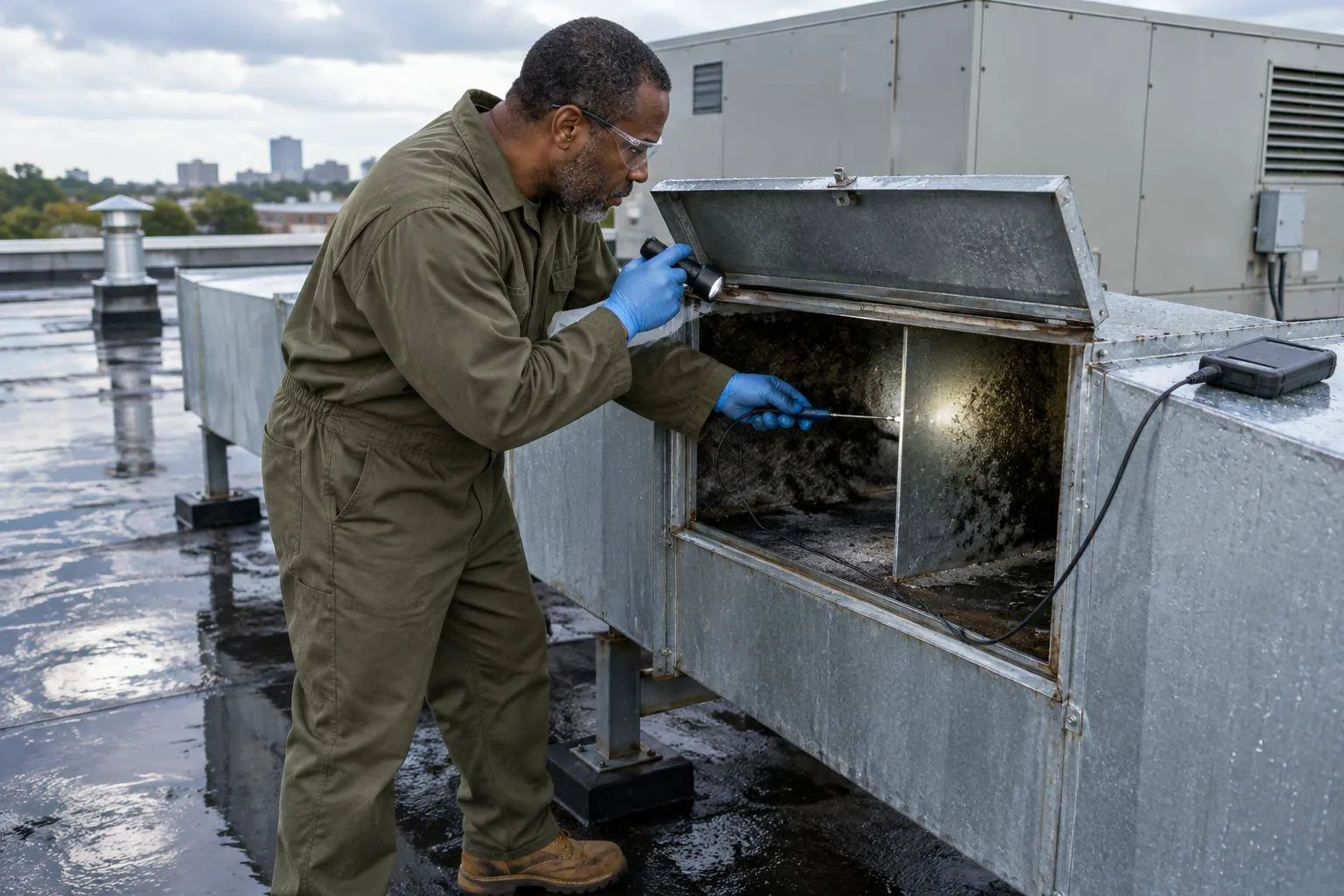
I watched a property manager try to close a deal on a water-damaged commercial building using only a video call with a mold inspector. Three days later, the inspector missed a hidden moisture pocket in the HVAC system — one the buyer’s contractor found during remediation prep. The inspection cost $800. The remediation surprise cost $12,000.
That conversation taught me something uncomfortable: not all mold inspections are created equal, and the method you choose can either save you or blindside you.
The Short Version:Remote mold inspections work great for quick visual documentation and routine cases—they’re faster and cheaper. But if you’re dealing with hidden moisture, complex water intrusion, or anything going into legal/insurance claims, you need someone in the room with thermal cameras and lab-tested samples. The real answer isn’t remote or in-person—it’s knowing which one you actually need.
Key Takeaways
- Remote inspections process claims 60% faster (24 hours for minor cases) and cost significantly less, but miss subtle details only visible in person
- Professional mold assessment always requires lab-analyzed samples—DIY kits and video-only checks fail because mold spores are naturally everywhere
- In-person inspections typically take 30 minutes and are non-intrusive, but struggle with scale and travel logistics
- The hybrid model (remote for routine cases, onsite for complex ones) is becoming the industry standard for serious operations
When Remote Inspections Actually Work
Here’s what nobody tells you: remote works really well for a specific slice of the market.
Hancock Claims Consultants ran the numbers. Virtual inspections close 60% of minor property claims within 24 hours—meaning First Notice of Loss to claim closure happens in less than 40 hours total. That median cycle time drops to 1.76 days. In insurance, that’s not just fast; that’s transformative.
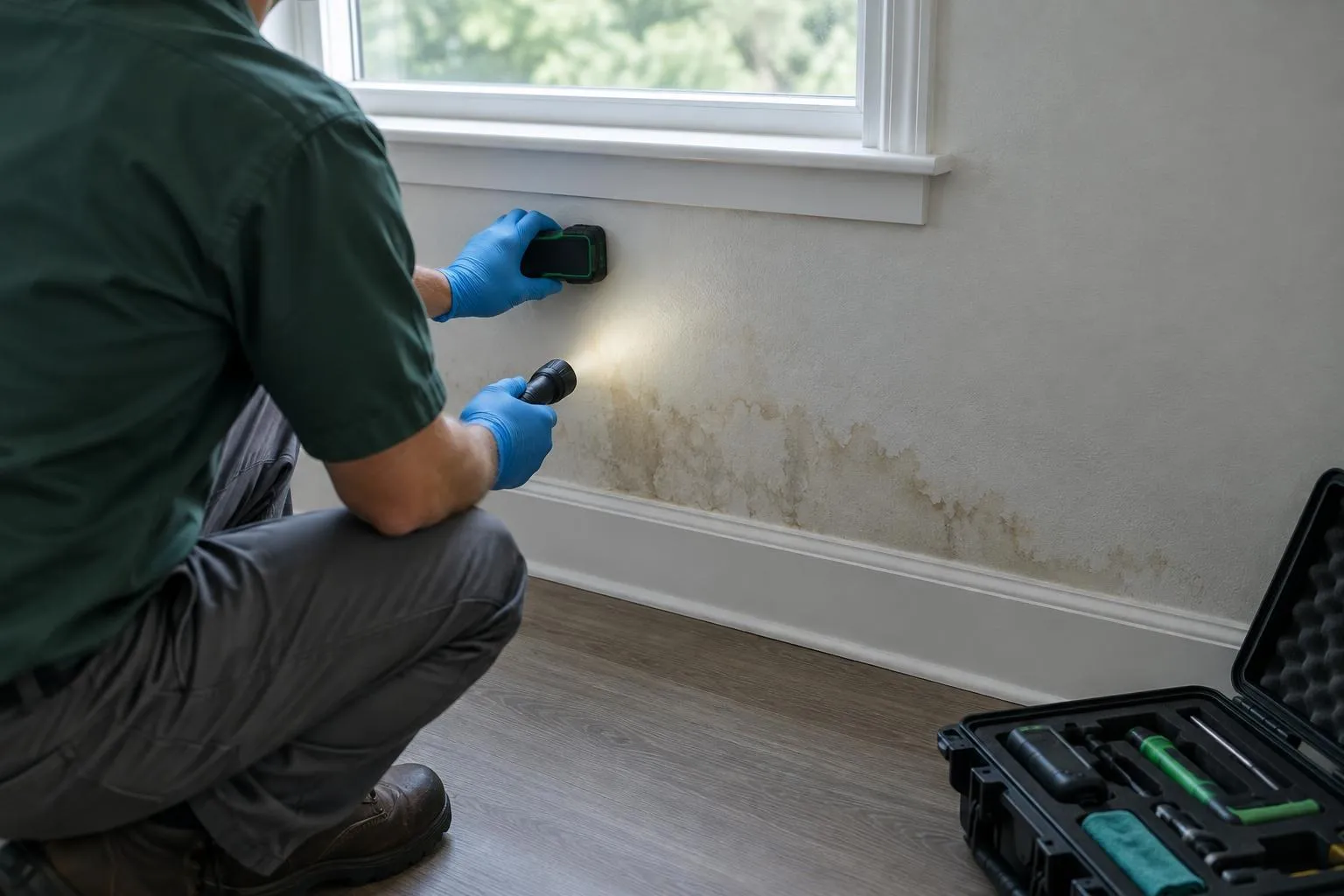
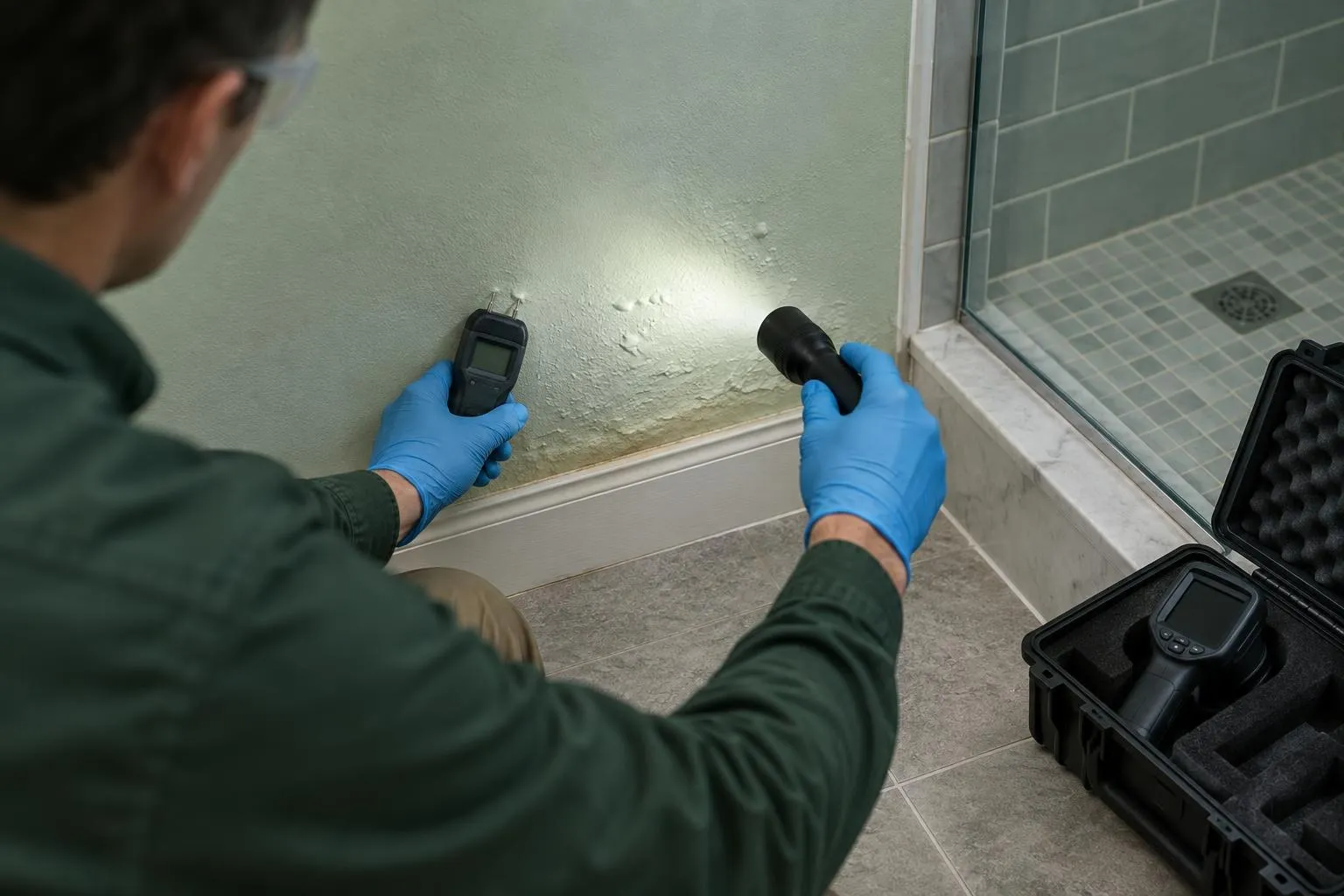
How? Remote inspections use video, still photos, smartphone thermal imaging, and moisture meters guided by an off-site expert. One person is on-site with a device; another is remote, directing the inspection and documenting in real time. No travel time. No scheduling delays. No waiting for the inspector to fit you into their calendar three weeks out.
The traceability is better too. Digital audit trails mean you have timestamped documentation, real-time permit data, cost records—everything an adjuster or attorney needs. It’s consistently formatted across cases. It scales.
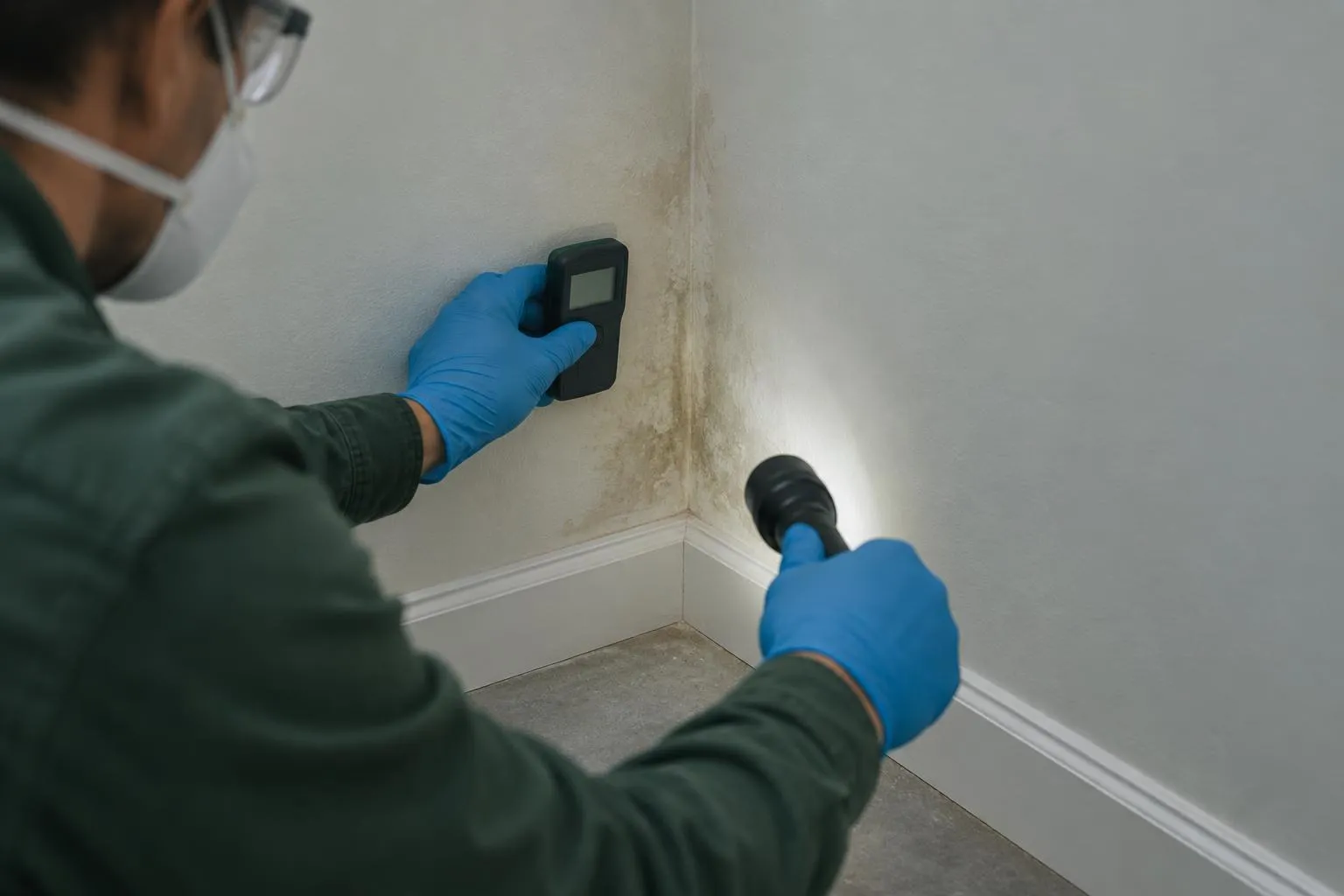
Here’s the catch: This works only when the problem is visual and accessible. A moldy bathroom corner? Remote wins. Ceiling water stain? Remote gets you documentation fast. Hidden moisture behind walls, in crawl spaces, or in HVAC systems? You’re flying blind.
Pro Tip:If your insurance claim involves a visible, localized issue and you’re in a hurry, remote is your play. Cost savings + speed. But read the fine print on your policy—some still require a licensed inspector on-site, and some jurisdictions mandate it for mold claims.
When In-Person Inspections Are Non-Negotiable
In-person inspections take about 30 minutes. They’re non-intrusive. And they’re the standard for reasons that matter.
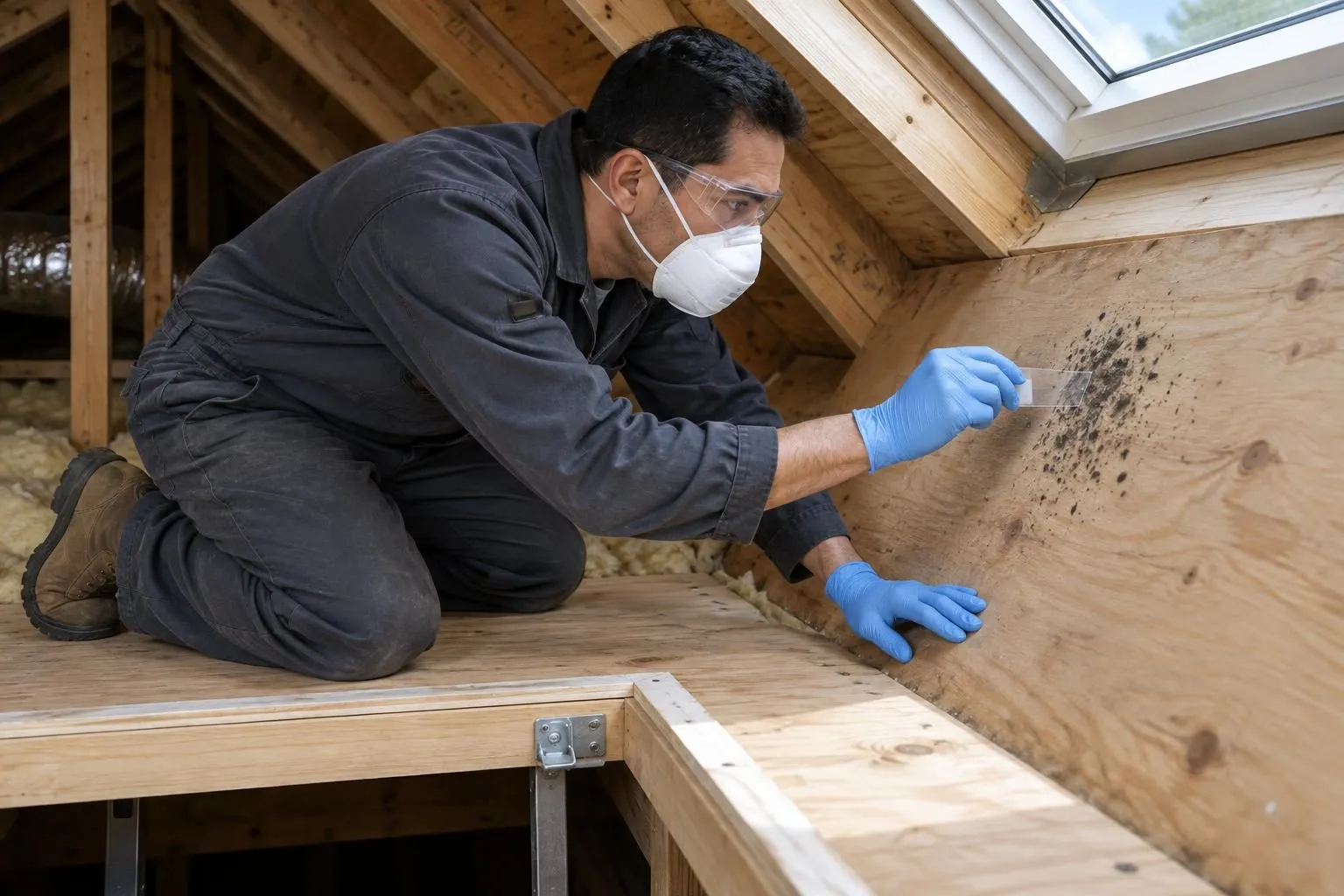
A credentialed mold inspector (think CMI or ACAC CMC certifications) shows up with moisture meters, thermal cameras, and the ability to notice things video can’t capture. They see the subtle discoloration you’d miss on a Zoom call. They pick up on the pattern—the way moisture travels, where it accumulates, what the space smells like. They probe walls, check crawl spaces, and collect samples that get sent to a third-party lab for species identification and spore count analysis.
That lab report is your evidence. It’s what holds up in court. It’s what insurance uses to approve remediation budgets. DIY test kits? They fail because mold spores exist everywhere—indoors and outdoors. Without professional sampling protocol and lab analysis, you have no baseline. You have no proof.
In-person is also your only option if you’re serious about protecting yourself during the inspection. Mold-contaminated sites come with health risks. A professional knows PPE, knows how to avoid cross-contamination, knows when to call in a remediation firm. (And here’s the hard truth: never use the same company for both inspection and remediation—conflict of interest. Get separate service providers.)
Reality Check: If you’re buying a house with water damage in the past, dealing with suspected hidden mold, or preparing for litigation, this is where in-person earns its cost. You’re not paying for speed; you’re paying for defensibility.
The Comparison Table: Remote vs. In-Person
| Factor | Remote/Virtual | In-Person/Onsite |
|---|---|---|
| Speed | 24–48 hours for documentation (60% of claims closed in 24h) | Slower; travel time + scheduling delays |
| Cost | Lower (no travel, fewer personnel) | Higher (travel, labor, time) |
| Detail Detection | Good for visible issues; misses hidden moisture and HVAC problems | Excellent for subtle signs, moisture mapping, and inaccessible areas |
| Lab Samples | Not included in remote-only model; requires follow-up | Collected on-site, sent to certified third-party lab |
| Evidence Quality | Digital audit trails; consistent documentation | Lab reports hold up in court and insurance claims |
| Tech Barriers | Requires stable internet, apps, tech literacy | Simpler logistics; no setup needed |
| Scalability | Highly scalable; handles high volume | Limited by geography and inspector availability |
| Legal/Insurance Use | Video documentation useful; lab results needed for claims | Professional sample analysis = industry standard for claims |
| Best For | Routine visual checks, quick claims documentation, time-sensitive minor issues | Water intrusion follow-up, hidden mold, litigation prep, comprehensive assessment |
The Post-Pandemic Reality Check
COVID-19 forced the mold inspection industry to figure out what remote could do. And the answer surprised people: a lot.
The safety factor was real. During lockdowns and high-case periods, remote inspections meant inspectors and homeowners weren’t breathing the same air in a potentially contaminated space. That mattered.
But two things became obvious fast:
One: Remote is genuinely better for operational speed and cost, especially for high-volume scenarios (think insurance companies processing 500 claims a week).
Two: It has hard limits. You can’t detect what you can’t see. Moisture trapped inside walls. Mold in HVAC ducts. Growth under flooring. These require boots on the ground.
The industry response? Hybrid models. Most serious firms now reserve remote for routine cases and routine documentation, then deploy in-person inspectors for anything complex, anything litigious, or anything with hidden moisture potential.
Sitewire’s 2025 analysis puts it plainly: “Remote leads as the new standard for lenders handling the majority of draws virtually, reserving onsite for edge cases.” That’s the future. Not one or the other—both, deployed strategically.
Reality Check:Post-pandemic doesn’t mean remote-only. It means remote-first-where-appropriate. If someone’s pitching you remote as a complete solution for mold assessment, they’re either new to the business or cutting corners.
The Non-Negotiable: Professional Lab Analysis
Here’s what ties it all together: whether you go remote or in-person, mold assessment only means something with lab-analyzed samples.
Ubiquitous mold spores exist everywhere. Indoor, outdoor, in your lungs right now. A photo of something that looks moldy tells you nothing. A video showing “probably mold” tells you nothing. What matters is extent (how much), species (what type), and baseline (is it above normal levels?).
That requires:
- Trained collector using proper sampling protocol
- Samples sent to a certified third-party lab
- Expert interpretation of results
- A written report that holds up
Remote-only inspections might include photos and video, but they skip the sampling. If you need this for insurance, for a lawsuit, for remediation approval, or for your own peace of mind—you need the lab work. And that means someone has to be there to collect it.
Practical Bottom Line
If you’re in a hurry and dealing with obvious, visible mold: Call for a remote inspection. Get documented fast. Expect to pay less.
If you’re buying a property with water damage history, you suspect hidden mold, or this is heading to court: Schedule an in-person inspection with a credentialed professional (CMI, ACAC CMC). Budget for lab samples. Get the written report.
If you’re a property manager or insurance company processing volume: Implement a hybrid model. Remote first for routine documentation. In-person for anything flagged as complex, any moisture concern, or any claim over your threshold amount.
And do one thing immediately: never hire the same firm for both inspection and remediation. That’s asking for bias. Split the services. Get independent eyes.
For more on finding the right inspector and understanding what they’re actually looking for, check out The Complete Guide to Mold Inspectors. And if you’re dealing with post-water-damage assessment, this related deep-dive on water intrusion and mold assessment protocols covers the technical side.
The money you save by picking the right method? That’s secondary to the liability you avoid by picking the right approach.
Done reading? Get quotes from mold inspectors near you.
Takes about a minute. Free, no obligation; providers reply to you directly.
Popular cities:
Nick built this directory to help homeowners find credentialed mold inspectors without wading through contractors who mostly want to sell remediation — a conflict of interest he ran into when trying to assess his own home after a plumbing leak.