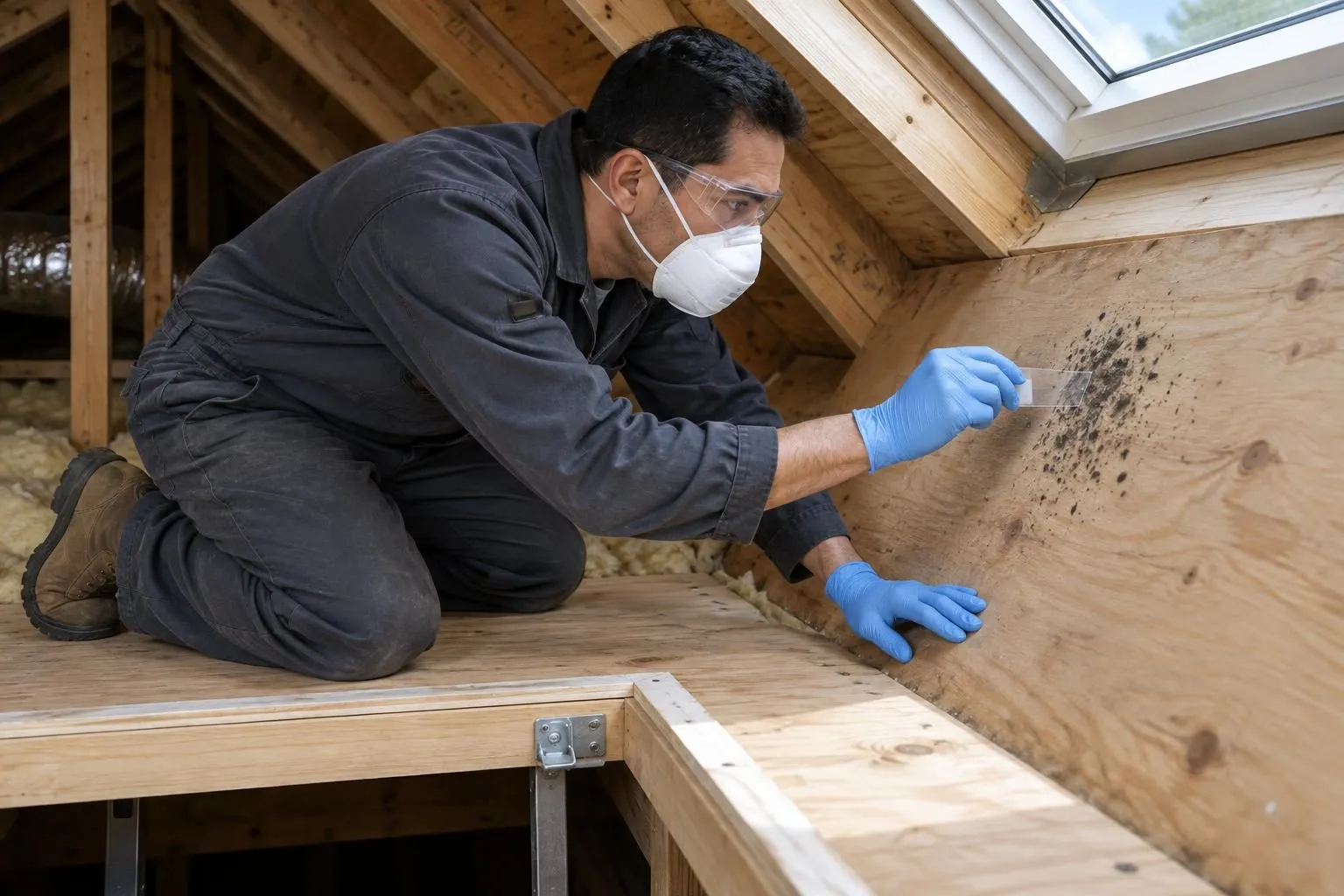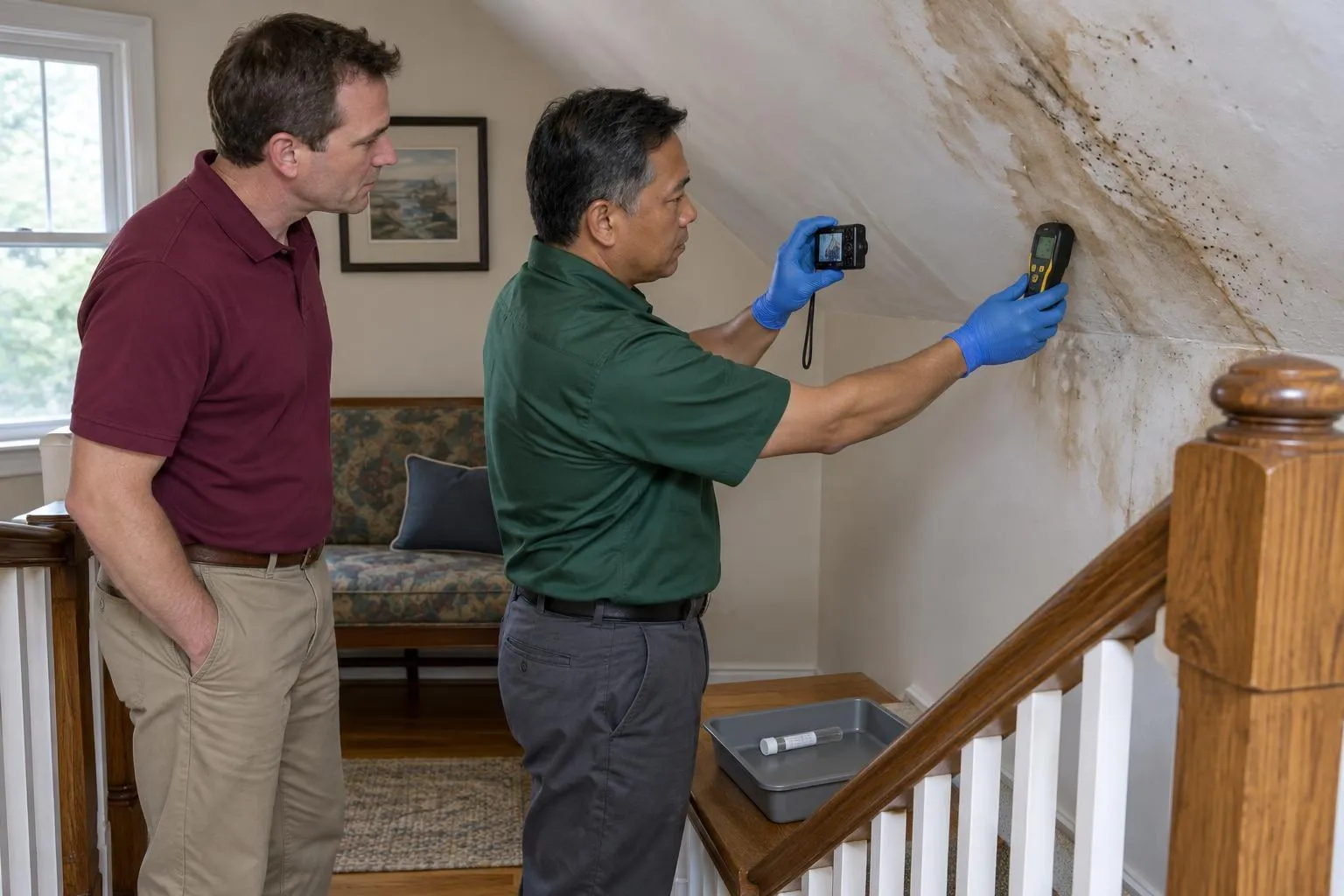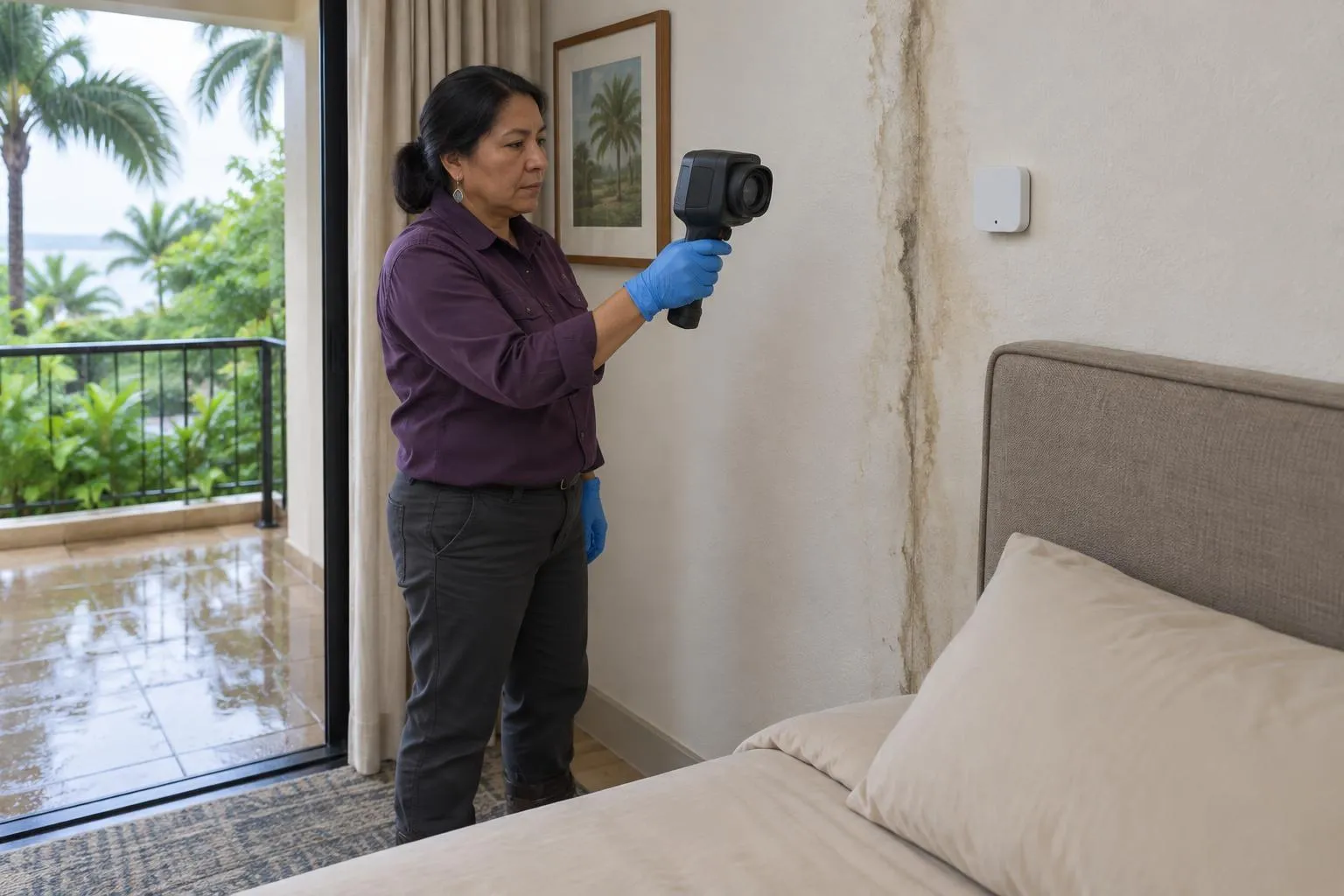
Get free quotes from mold inspection near you
Takes about a minute. Free, no obligation; providers reply to you directly.
I got a call last year from a mold inspector in Florida who’d been running the same inspection process for twelve years. Visual check, a few air samples, a report in a binder. Then a competitor showed up with thermal imaging, moisture mapping, IoT sensors, and a project management dashboard that synced directly with remediation crews. The inspector didn’t lose the job—but he realized he’d accidentally become the slow, expensive option.
That’s the mold inspection industry in 2026. And if you’re running operations or managing crews, you need to know what’s shifting.
The Short Version
The mold detection services market is hitting $512.5 million by 2033 (5.7% annual growth), and the technology adoption wave is real—60% of restoration companies have already moved to automation platforms, while advanced detection tech like thermal cameras and DNA sequencing are becoming baseline expectations, not luxury upgrades.
Key Takeaways
- The detection market is expanding 5.7% annually while tech adoption accelerates across operations
- Automation and remote monitoring are now industry standard, not differentiators
- Workforce shortages remain the biggest constraint despite strong demand
- Geographic expansion is fastest in Asia Pacific, where construction activity is driving new demand
The Market Is Growing. Your Toolset Better Be Too.
The mold detection service market is heading toward $512.5 million by 2033, with a compound annual growth rate of 5.7%. That’s solid growth, not explosive—but it’s growth happening right now, powered by three things: mounting health awareness, tightening regulations, and commercial demand from businesses that actually want to stay out of litigation.
What’s fueling the boom? The headline answers are real enough: stricter indoor air quality regulations in North America and Europe, rising construction activity in China and India, and genuine health concerns that used to live in the “maybe?” category but now sit in the “we need to know” folder.
But here’s what most people miss: the real growth isn’t in residential—it’s in the tools themselves. The mold test kit market alone hit $481 million in 2025 and is projected to reach $705 million by 2033. That’s the DNA sequencing kits, the moisture meters, the infrared cameras. The market is voting for precision.
Reality Check:You can’t compete on price anymore. The barrier to entry used to be “can you take a sample and file the paperwork?” Now it’s “what technology stack are you running, and how fast can you turn data into actionable intelligence?”
Technology Adoption: 60% of the Industry Isn’t Asking Permission Anymore
Here’s the number that should make you pay attention: approximately 60% of all companies in the restoration industry have already implemented automation platforms. Not considering it. Not piloting it. Already live.
Companies are moving to Albi and JobSight for project management and scheduling. Real-time field documentation is converting directly into verifiable data collection. Remote monitoring capabilities mean an inspector can flag moisture issues from the field and have it sync with remediation crews before they leave the site.
In October 2022, ServiceMaster Restoration Services integrated ByoPlanet’s electrostatic sprayer system—a single example that shows the direction: technologies that eliminate guesswork, reduce human error, and cut solution waste. Even cost matters when margins are thin.
Here’s what the advanced detection toolkit looks like in 2026:
| Technology | What It Does | Why It Matters |
|---|---|---|
| Infrared Cameras | Detect hidden moisture and mold behind walls without cutting drywall | Non-invasive = faster diagnosis + lower remediation costs |
| Moisture Meters | Identify precise dampness levels in affected areas | Data-driven remediation = no guessing, faster approval |
| DNA Sequencing & PCR Testing | Identify exact mold species from air/surface samples | Genus-level identification = targeted remediation protocols |
| IoT-Enabled Sensors | Continuous environmental monitoring + equipment tracking | Real-time alerts + verifiable documentation for insurance |
Pro Tip:If you’re not using thermal imaging yet, you’re leaving efficiency on the table. The cameras have dropped in price, the ROI is visible in faster inspections, and clients expect them. It’s become table stakes, not a premium feature.
The Workforce Problem Is Real (And Getting Worse)
Here’s the villain in this story: shortage of qualified mold inspectors and remediators. It’s listed alongside high remediation costs and limited public awareness as the top three industry pain points, but it’s the one nobody can solve by buying better equipment.
The industry faces workforce shortages while demand grows. You can automate scheduling and data collection, but you can’t automate the person who walks into the building and says “yes, that’s mold” or “no, that’s water staining.”
Credentials matter here. CMI (Certified Mold Inspector) and ACAC CMC/CMRS certifications are becoming non-negotiable for commercial and litigation work. Training takes time. Scaling takes longer.
Reality Check:If you’re managing a mold inspection or remediation company and haven’t invested in recruiting and certification pathways, you’re about to find out what a seller’s market feels like. Your best crews will be courted hard.
Where the Growth Is (And Where It Isn’t)
North America will continue to dominate—high prevalence of mold issues, strict regulations, and money to spend. Europe is catching up fast with rising health awareness and indoor air quality mandates. Asia Pacific is where you’ll see the fastest growth rates, driven by construction expansion in developing countries. If you’re thinking expansion, that’s where the margin is.
The mold test kit market is highly fragmented. First Alert, Healthful Home, and Pro-Lab lead, but there’s no monopoly. That means competition, which means pricing pressure and margin compression for commodity-level detection kits. The money moves up the value chain—toward integrated services, consulting, and solutions that bundle detection with remediation planning.
The Emerging Plays for 2026
DIY mold detection is expanding. Yes, homeowners are buying kits. But that’s not a threat—it’s a lead generation channel. A homeowner finds mold with a kit, panics, and calls a professional. The market grows both directions.
Integrated remediation services are where the margin lives. Detection alone is commoditizing. Detection + remediation planning + project management + remote monitoring = premium positioning.
Industry consolidation is accelerating. Larger companies and private equity groups are rolling up smaller operators. If you’re solo or a small team, you’re either consolidating, getting acquired, or specializing into something defensible (high-end commercial, litigation support, etc.).
Pro Tip:If you’re thinking about growth strategy in 2026, don’t compete on price. Compete on speed, data quality, and integration. The clients who care about the cheapest inspection will always find someone cheaper. The clients who care about the fastest accurate diagnosis with a clear remediation roadmap will pay for it.
The 2026 Outlook: Progress, Volatility, and Control
The sector shows clear signs of progress and opportunity. But here’s what the industry leaders know that gets buried in the cheerful growth projections: market volatility driven by tariffs, economic shifts, and supply chain pressures is real. You can’t control that.
What you can control: cash flow management, capacity utilization, and process discipline.
The inspectors and companies winning in 2026 are the ones treating data as infrastructure, not an afterthought. They’re integrating technology platforms. They’re documenting everything in real time. They’re scaling their teams through certification and hiring, not burning out the same three people.
Practical Bottom Line
If you’re running a mold inspection or remediation business in 2026, here’s your action list:
-
Audit your technology stack – Do you have thermal imaging, moisture meters, and lab integration? If not, that’s a 90-day priority.
-
Move to an automation platform – You’re in the 40% that hasn’t yet. That’s fine. Pick one (Albi, JobSight, or similar) and implement it. You’ll recover the cost in the first year through scheduling efficiency alone.
-
Invest in team certification and retention – The workforce shortage is your biggest constraint. Pay for certifications. Hire now, not when you’re desperate.
-
Bundle services, not just detection – Sell solutions, not samples. The margins are in the full story: detection + remediation planning + monitoring.
-
Know your geographic advantage – If you’re in North America, lean into commercial and litigation work. If you’re international, Asia Pacific is the growth edge right now.
The mold inspection industry isn’t changing because technology is sexy. It’s changing because clients demand speed, precision, and accountability. The tools are just how you deliver it.
Related Reading: For a comprehensive breakdown of what mold inspectors actually do and how to evaluate whether you need one, check out The Complete Guide to Mold Inspectors.
Done reading? Get quotes from mold inspectors near you.
Takes about a minute. Free, no obligation; providers reply to you directly.
Popular cities:
Nick built this directory to help homeowners find credentialed mold inspectors without wading through contractors who mostly want to sell remediation — a conflict of interest he ran into when trying to assess his own home after a plumbing leak.